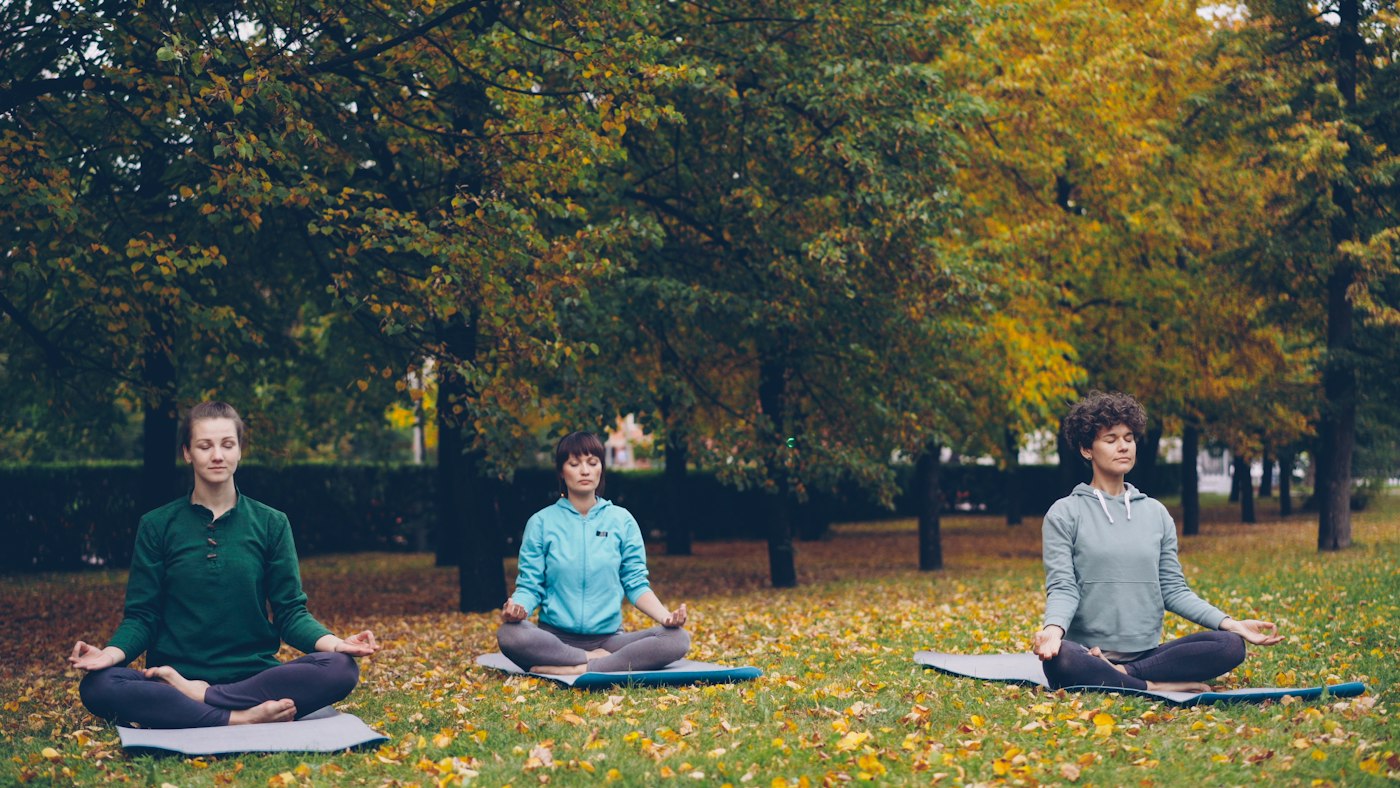
A shared pause can help a group settle without asking anyone to participate in a ritual or reveal intimate emotions.
The Body Before the Technique
A good facilitator explains the duration, keeps the exercise optional and avoids making medical promises. The purpose is to arrive together, not induce an unusual state.
A useful breathing practice offers a gentle option and a clear exit. More dramatic methods involving rapid breathing or prolonged holds carry additional risks and are not necessary for everyday relaxation.
Try a Gentle Exercise
- Invite people to notice the air temperature, their feet and three ordinary natural breaths.
- Suggest a comfortable longer exhale only if it feels good.
- End after sixty seconds with an invitation to look around.
Pair this with a safety reminder about water, warmth and quiet areas. Anyone may watch the fire from a safe distance or simply listen to the group.
Notice context as well as breath: heat, body position, exertion and noise can change the experience. A small log can make those differences visible.
What to Keep in Mind
Do not direct breath holds or force synchronized breathing. Keep people at a safe distance from flame and smoke, especially those with breathing conditions.
Stop if you feel dizzy, faint, tingling, chest discomfort or unusual breathlessness. Avoid forced hyperventilation and breath-hold challenges, especially around water, heights or driving. Seek prompt medical help for severe or unexplained symptoms.