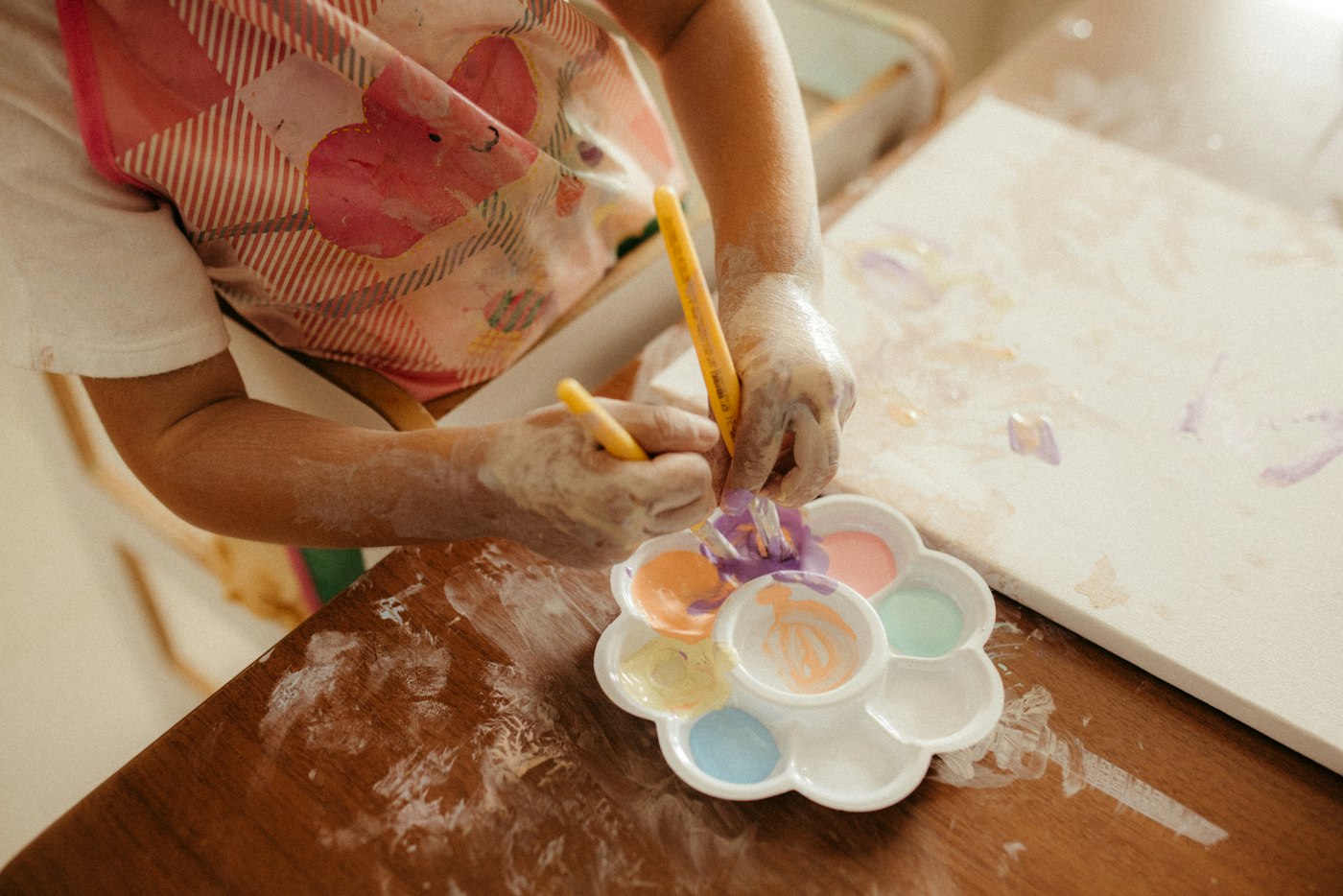
A creative practice does not require a studio or an empty afternoon. A sketchbook can fit into the spaces between ordinary commitments.
Looking Beneath the Surface
Short exercises lower the cost of starting. Repetition gives you a record of your interests and attention, not simply a gallery of finished pictures.
A finished object may eventually disappear, be repaired or get given away. The experience of making it can remain with the person and with the group who witnessed the effort.
A helpful second round is to change just one material, constraint or collaborator. The same idea may behave differently with cardboard instead of paper, a larger surface instead of a tiny one or two people instead of one.
A Small Experiment
For seven days, draw one object within arm's reach for five minutes. Date each drawing and add one sentence about the moment. At the end, compare what you noticed more than how well you drew.
Give yourself permission to modify the activity. A practice that fits a real life, with all its demands and interruptions, is more valuable than a perfect method that never gets used.
What to Keep in Mind
If time limits make art feel like work, remove the timer. The goal is an inviting habit rather than a daily streak to defend.