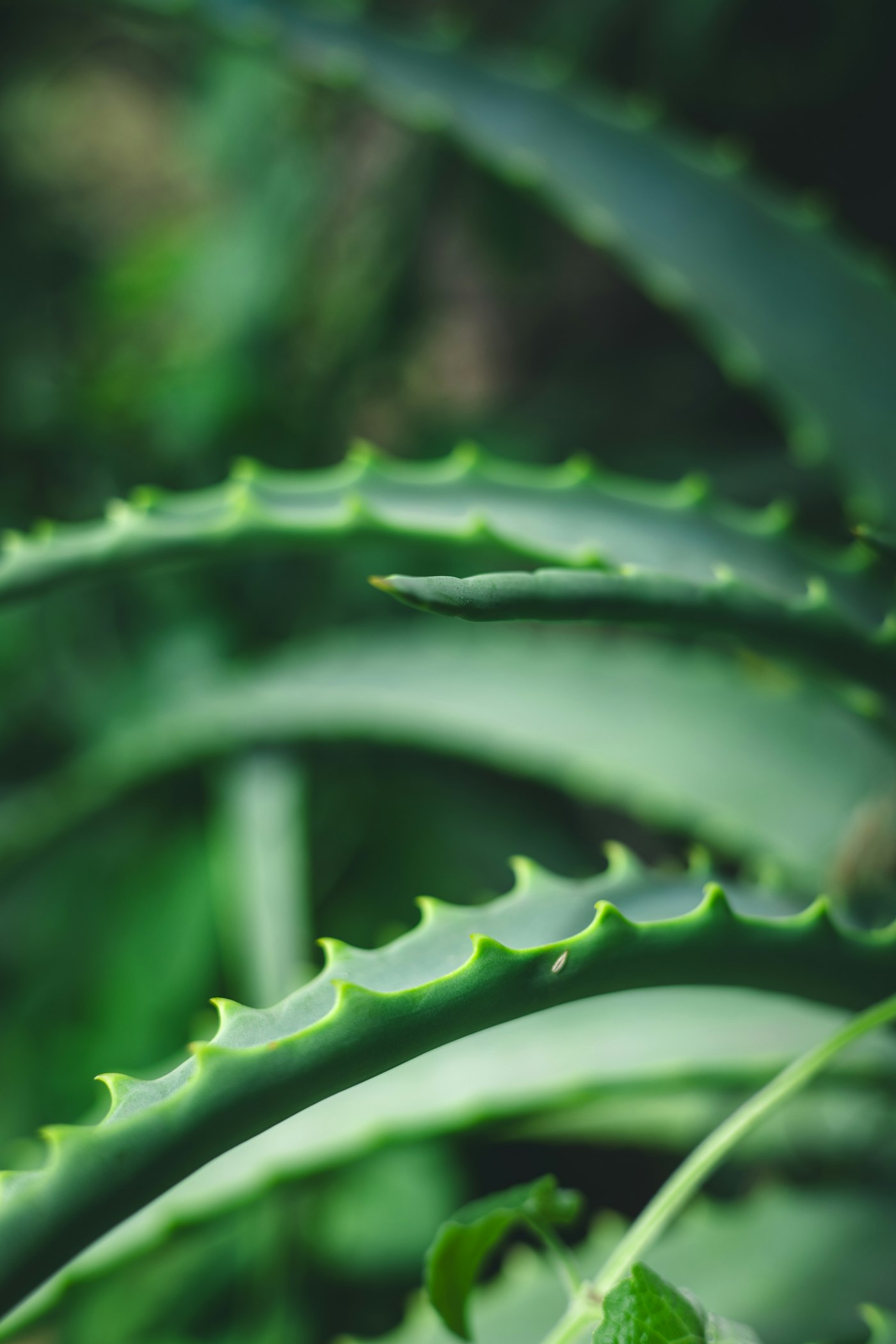
Aloe looks like a sculpture, but the gel inside its fleshy leaves has also made it a familiar ingredient in skin-care products.
The Plant Behind the Reputation
There is a difference between a tested topical product and a homemade plant preparation. Aloe products vary in processing, concentration and purity, and oral aloe latex has significant safety concerns.
Herbal knowledge begins with the correct species name. Common names can refer to unrelated plants, and a plant’s roots, leaves and flowers may contain different chemicals. Accurate identification comes before any discussion of traditional uses.
Learn It Without Guesswork
- Grow an identified Aloe vera plant in a well-draining container and photograph its growth over a season.
- Compare ingredient labels on two commercial topical aloe products and note whether fragrance or alcohol has been added.
Learn which parts of the plant are used commercially rather than assuming the whole leaf is suitable. If choosing a topical product, try a small patch on intact skin first and follow label directions.
Try making a plant profile card with its scientific name, common names, habitat, key identifying features and unanswered safety questions. Keep a section titled “What I do not know yet.”
What to Keep in Mind
Do not swallow aloe latex or apply homemade plant material to serious burns, infected wounds or deep injuries. Allergic reactions are possible; seek medical care when appropriate.
Wild plants can be misidentified, contaminated, toxic or protected. Do not ingest unknown plants or use homemade preparations to treat illness. Herbal products can interact with medications or cause allergies; ask a qualified clinician or pharmacist about medicinal use.