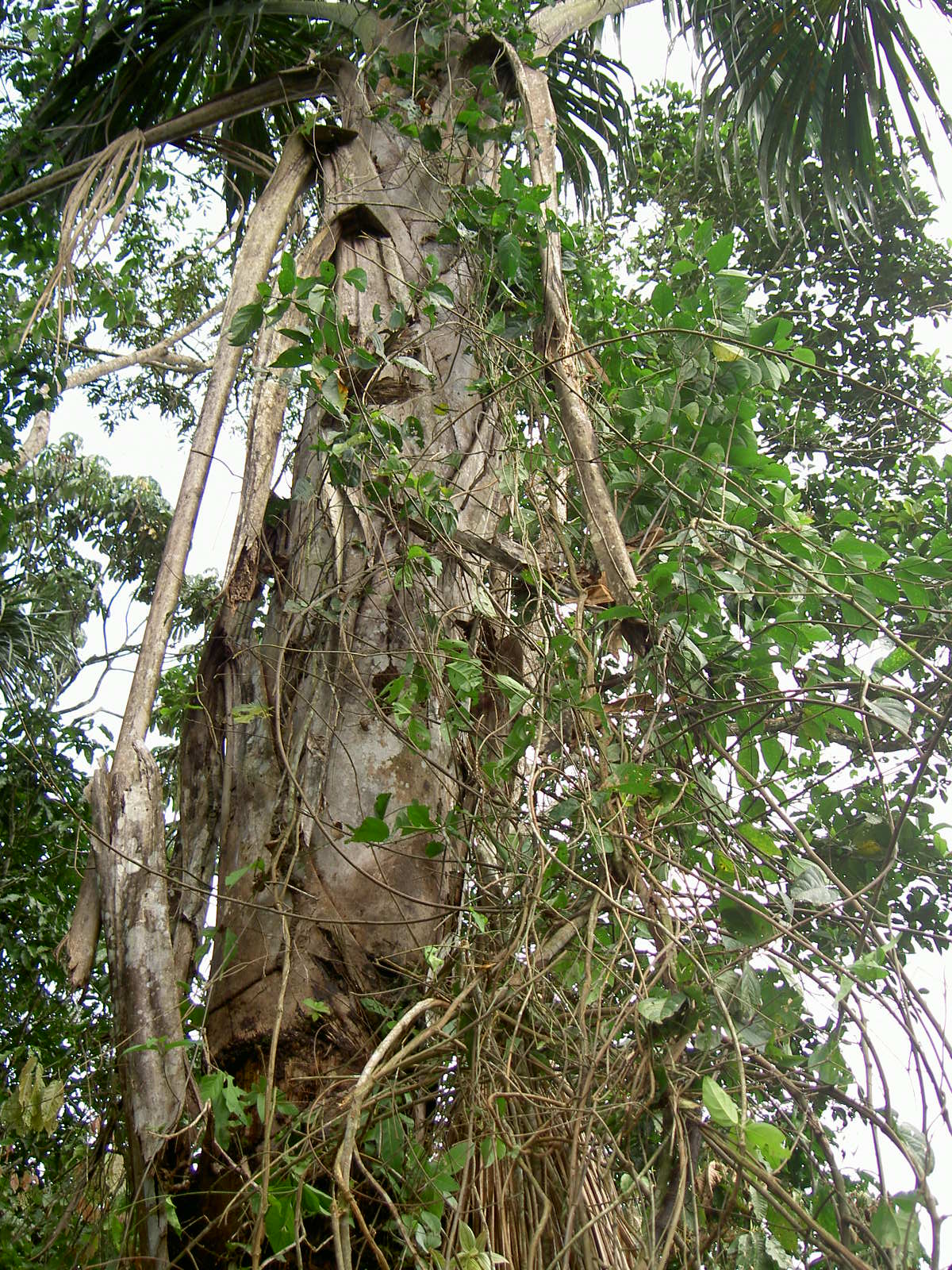
The story of ayahuasca begins far from modern psychiatry. Across parts of the Amazon, communities have maintained distinct traditions involving this botanical preparation as part of spiritual, social and healing life. Today, scientists are studying its pharmacology and asking whether carefully controlled research can reveal new options for people living with depression.
A Living Cultural Tradition
Ayahuasca is not one universal ceremony. Practices, beliefs and forms of leadership differ among Indigenous peoples and among contemporary religious communities in South America. Its cultural history is one of transmission, community responsibilities and changing relationships with the plants and landscape. Treating that history as a single exotic ritual misses much of its depth.
Respectful study begins by learning which community is being discussed and letting its own participants describe what the tradition means. Scientific interest should not erase the knowledge of those who preserved it.
An Early Clinical Result That Turned Heads
A randomized, placebo-controlled study involving 29 adults with treatment-resistant depression reported significantly greater improvements in depressive symptoms in the ayahuasca group than in the placebo group at several points during the week following treatment. By day seven, the study reported a response rate of 64% versus 27% in the comparison group. Those figures come from a small sample and short follow-up, so they need confirmation in larger research. Nonetheless, they are remarkable enough to have expanded interest in psychedelic-assisted approaches to depression.
Chemistry, Context and the Human Experience
Traditional ayahuasca preparations can contain DMT and compounds that inhibit the enzyme monoamine oxidase. That distinctive chemistry interests pharmacologists because it allows compounds to interact with biological systems in unusual ways. But science is also studying the experience around the substance: expectations, emotional processing, relationships and supportive environments.
There is no need to promise that every experience will be healing to appreciate the significance of research that takes traditional preparations seriously. The most compelling story is both botanical and human.
A Note on Safety
Some ayahuasca preparations inhibit monoamine oxidase and can interact dangerously with antidepressants and other medications. This research is not a guide to home use or a reason to stop prescriptions. Decisions involving medications require qualified medical care.