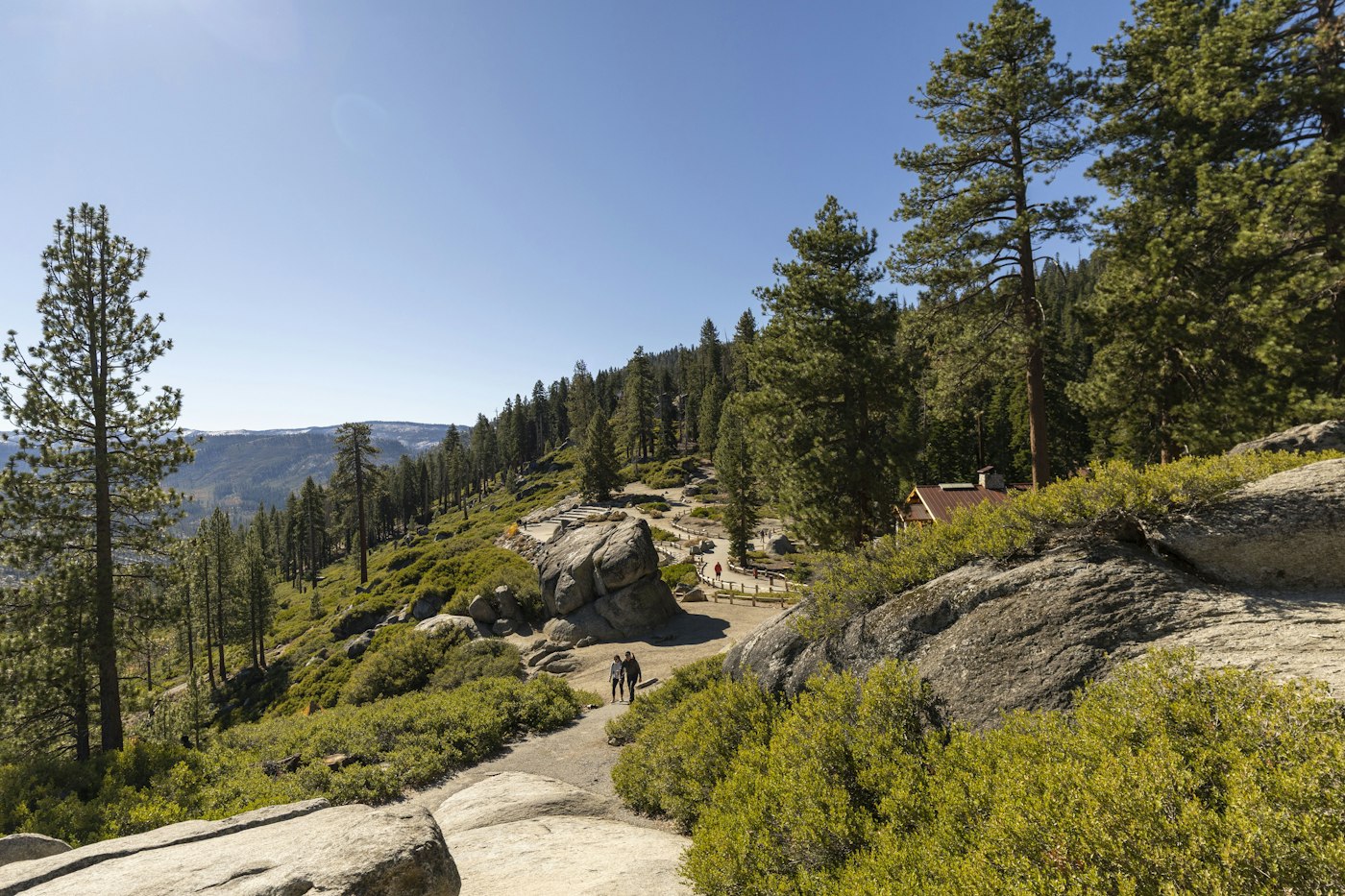
A steep section of trail quickly reveals that breathing changes with effort. Instead of treating that change as a failure, you can use it to notice your actual needs.
The Body Before the Technique
Exercise naturally alters breathing rate. The useful skill is recognizing when to slow down, rest, drink water or adjust pace rather than trying to impose a rigid meditation rhythm.
Breathing can be an attention anchor, but focusing on it is not comfortable for everyone. Visual, tactile or listening exercises can give people the same permission to pause.
Try a Gentle Exercise
- Choose a safe easy trail.
- Walk at a pace where you can still talk, and pause occasionally to notice your breath, shoulders and surroundings.
- Adjust effort if conversation becomes difficult.
At group hikes, agree that the slowest comfortable pace sets the tone and that rests are normal. Use breath awareness to check effort, not to compete.
Notice context as well as breath: heat, body position, exertion and noise can change the experience. A small log can make those differences visible.
What to Keep in Mind
Be attentive to heat, altitude, dehydration and medical limitations. Stop and seek care for chest pain, confusion or unusual severe breathlessness.
Stop if you feel dizzy, faint, tingling, chest discomfort or unusual breathlessness. Avoid forced hyperventilation and breath-hold challenges, especially around water, heights or driving. Seek prompt medical help for severe or unexplained symptoms.