The internet loves challenges that make a number look like evidence of mastery. Holding your breath longer does not automatically make you healthier or more enlightened.
The Body Before the Technique
Deliberate hyperventilation before breath holding can reduce the body's warning signals and increase the risk of losing consciousness. Water and driving make that risk especially dangerous.
Most of the benefit of a short practice is in its simplicity: it can be remembered in an ordinary moment. It should not claim to cure medical symptoms or promise precise control over hormones or brainwaves.
Try a Gentle Exercise
- Instead of testing your maximum hold, learn the basics of gas exchange from a credible respiratory-health source.
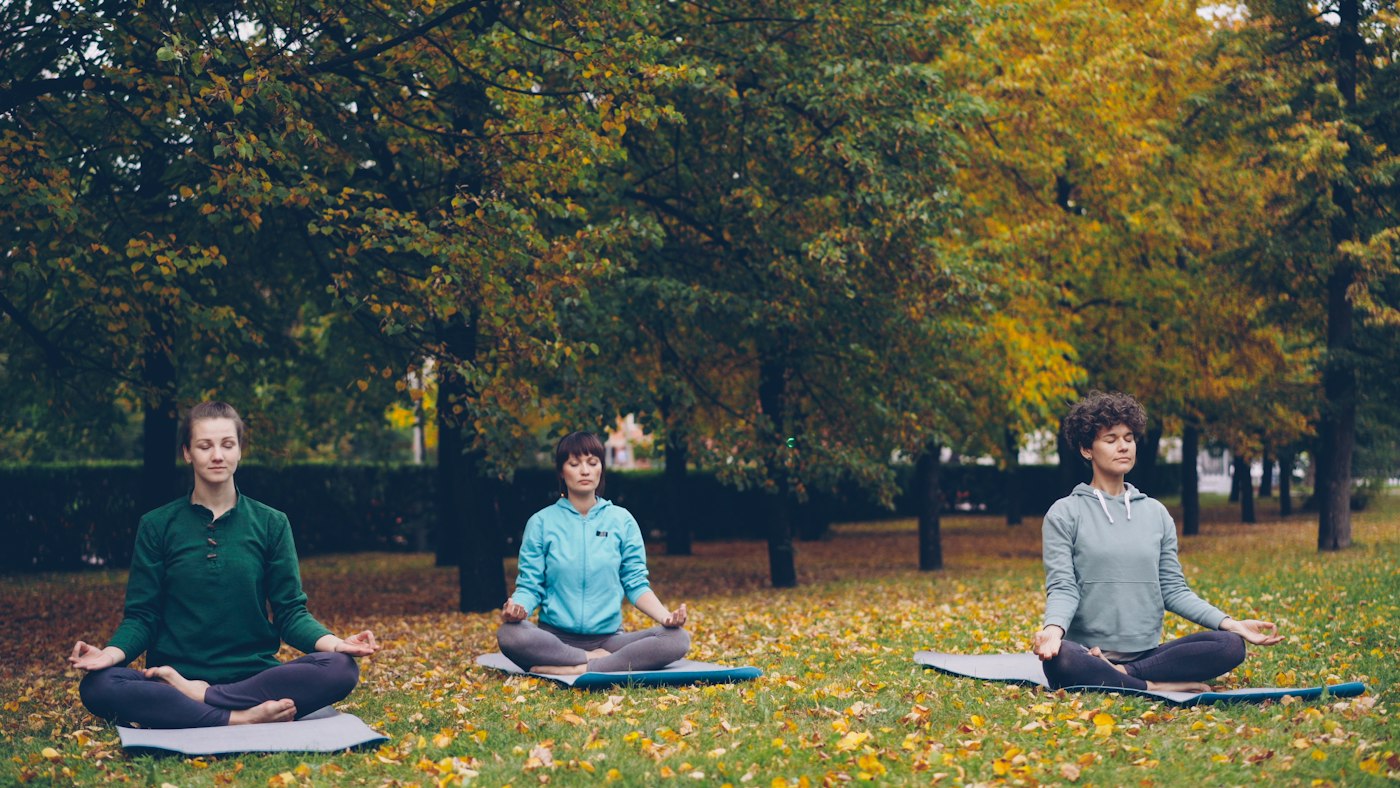
- Try a two-minute quiet observation of normal breathing without changing it.
Ask a workshop instructor what safety training they have and whether exercises involve forced rapid breathing or extended holds. If they dismiss questions, choose a safer session.
Notice context as well as breath: heat, body position, exertion and noise can change the experience. A small log can make those differences visible.
What to Keep in Mind
Never practice breath-hold challenges in water, baths, while driving or alone in hazardous places. People with medical conditions need specialist advice before advanced practices.
Stop if you feel dizzy, faint, tingling, chest discomfort or unusual breathlessness. Avoid forced hyperventilation and breath-hold challenges, especially around water, heights or driving. Seek prompt medical help for severe or unexplained symptoms.