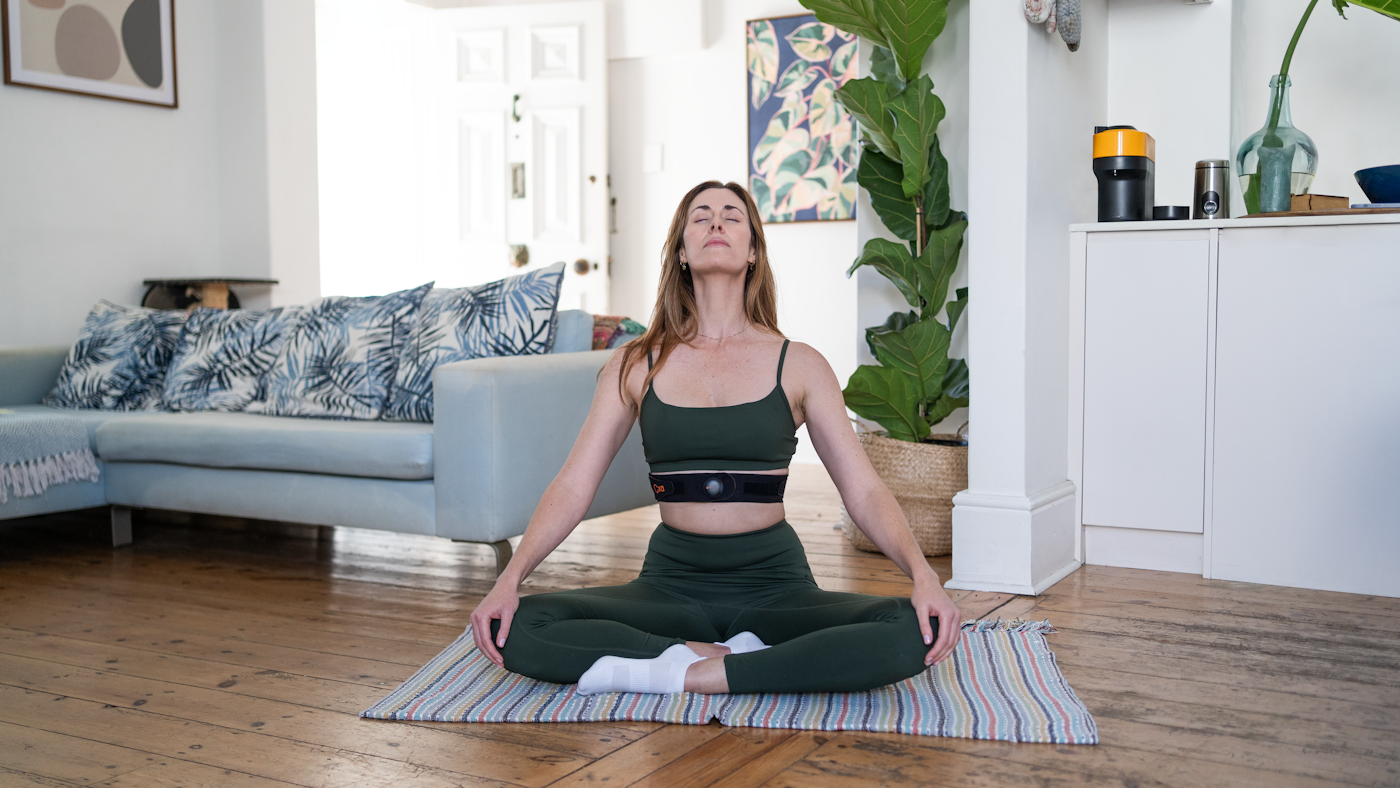
A tense conversation often starts before the first sentence is finished. One comfortable pause can create time to choose words instead of launching automatically.
The Body Before the Technique
The benefit comes partly from delaying a reaction and noticing bodily tension. Breathing is a cue for reflection, not a technique for controlling another person's behavior.
A useful breathing practice offers a gentle option and a clear exit. More dramatic methods involving rapid breathing or prolonged holds carry additional risks and are not necessary for everyday relaxation.
Try a Gentle Exercise
- Before responding, put your feet down, allow one natural exhale, and ask yourself what you actually want to communicate.
- Then say one clear sentence instead of a long defensive speech.
Practice with a harmless disagreement such as selecting workshop music. Take turns speaking, and let the other person finish without interrupting.
When teaching others, explain what to do and when to stop in one sentence each. Avoid making participants prove endurance or disclose personal medical details.
What to Keep in Mind
If a conversation is unsafe, leaving or seeking support matters more than breath technique. Do not use calmness as an excuse to remain in harmful situations.
Stop if you feel dizzy, faint, tingling, chest discomfort or unusual breathlessness. Avoid forced hyperventilation and breath-hold challenges, especially around water, heights or driving. Seek prompt medical help for severe or unexplained symptoms.