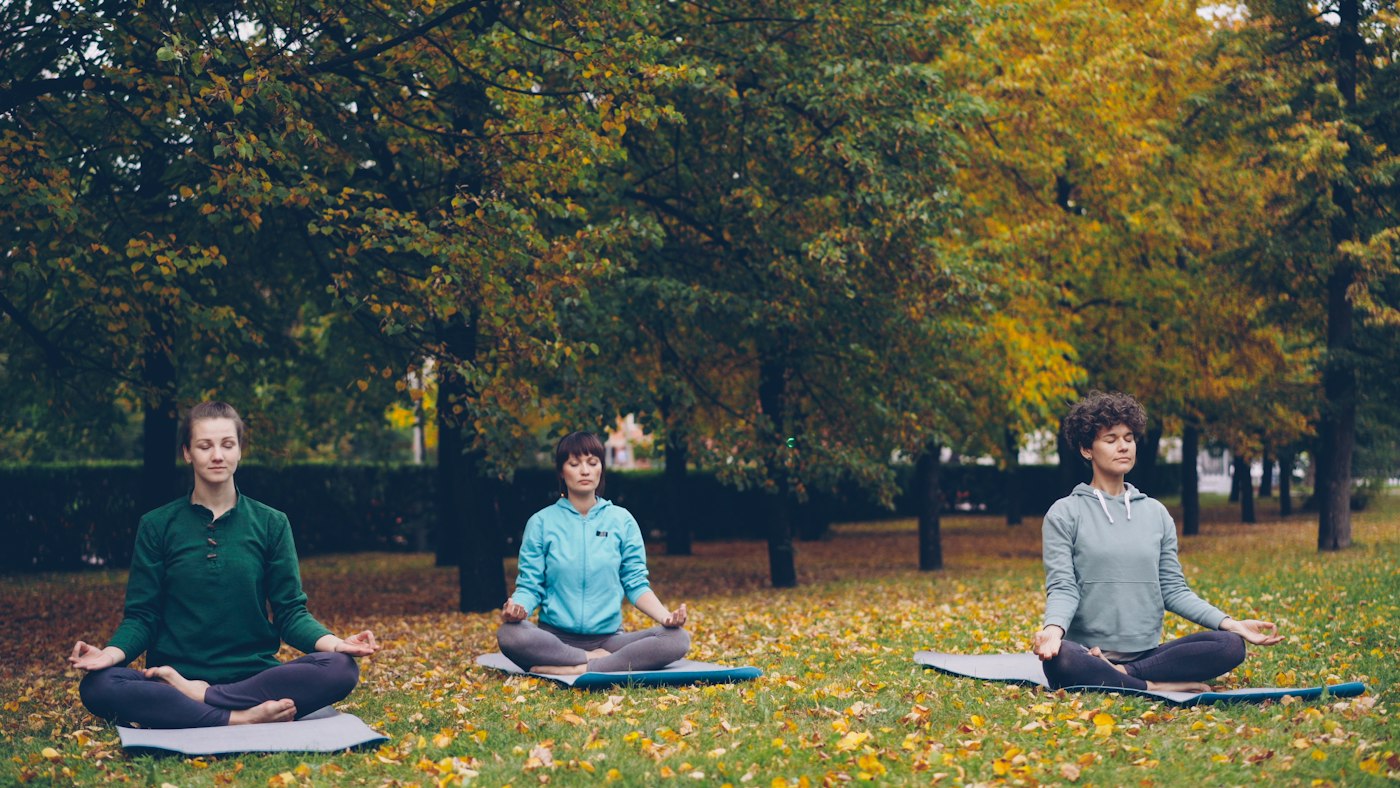
A breath exercise that calms one person can make another monitor their lungs anxiously. That difference is worth respecting.
The Body Before the Technique
During panic, focusing intensely on breathing may amplify uncomfortable sensations. Grounding through sight, touch and movement can be a better starting point than breath control.
A useful breathing practice offers a gentle option and a clear exit. More dramatic methods involving rapid breathing or prolonged holds carry additional risks and are not necessary for everyday relaxation.
Try a Gentle Exercise
- If you feel distressed, look around and name five ordinary objects.
- Place both feet on the floor or touch a solid surface.
- Let the breath do what it needs, and only choose a gentle longer exhale if it feels reassuring.
Write two cards for yourself: one with a comfortable breathing cue and another with nonbreathing grounding options. Test them on a calm day, not for the first time during a crisis.
Start with a natural baseline. Ask whether the exercise is easier than your ordinary breathing or whether you are straining to satisfy the instructions; comfort is useful feedback.
What to Keep in Mind
Chest pain, severe breathing difficulty, fainting and new neurological symptoms may signal emergencies, not anxiety. Seek professional assessment when needed.
Stop if you feel dizzy, faint, tingling, chest discomfort or unusual breathlessness. Avoid forced hyperventilation and breath-hold challenges, especially around water, heights or driving. Seek prompt medical help for severe or unexplained symptoms.