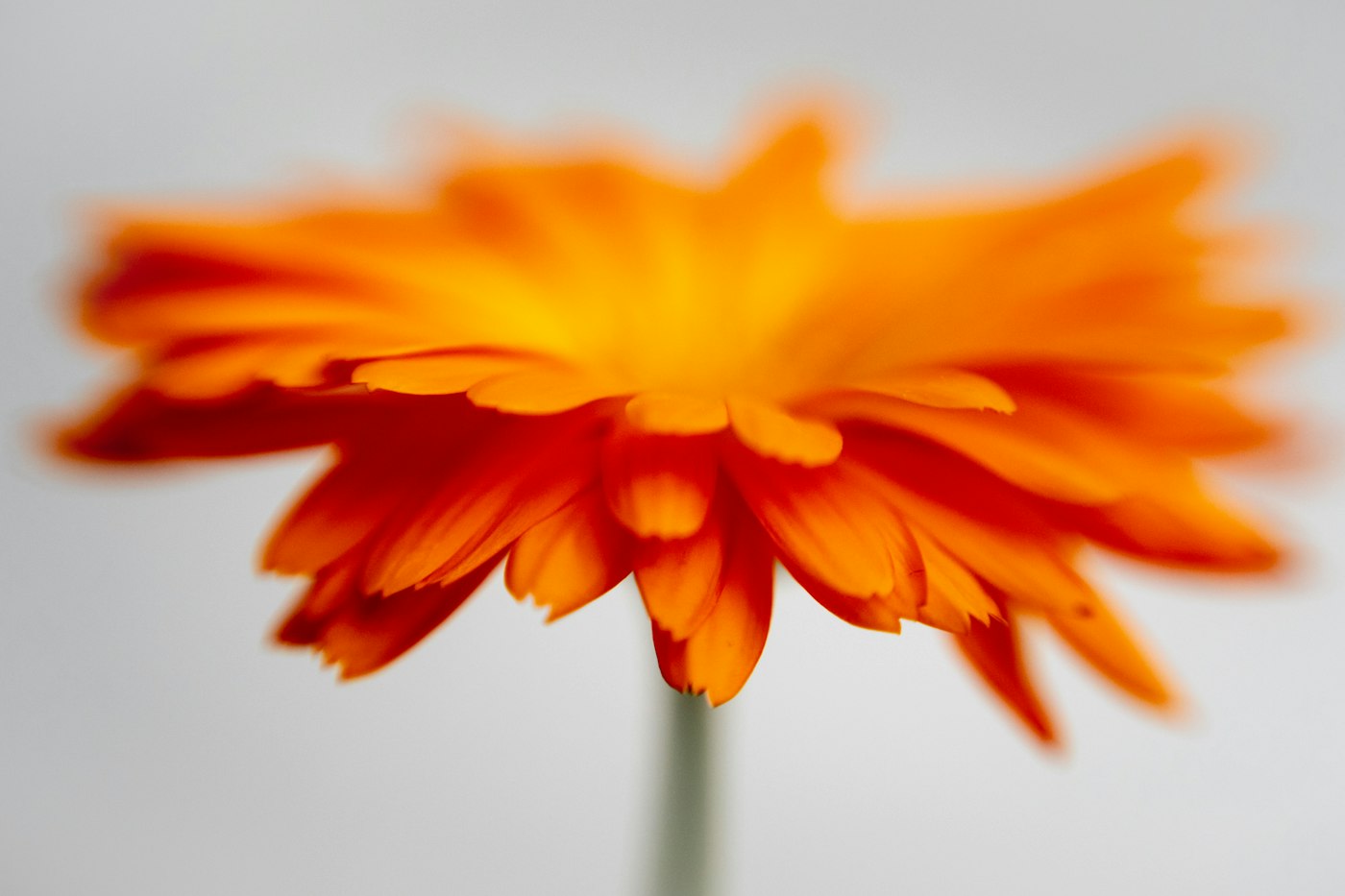
Calendula's bright blossoms make it an inviting garden plant. Its long history in topical preparations also makes it a useful case study in the difference between tradition and evidence.
The Plant Behind the Reputation
Calendula officinalis has been used in skin-care products, but clinical evidence for treating specific wounds and conditions remains limited and product quality varies.
Herbal knowledge begins with the correct species name. Common names can refer to unrelated plants, and a plant’s roots, leaves and flowers may contain different chemicals. Accurate identification comes before any discussion of traditional uses.
Learn It Without Guesswork
- Grow calendula from clearly labeled seed, record flowering dates and invite pollinators to share the garden.
- Compare a calendula cream's ingredient list with the claims on its packaging.
Use botanical books to distinguish Calendula officinalis from unrelated plants sold as marigolds. Sketch the flower parts and note how the blooms respond to changing light.
Compare two sources—one traditional herbal text and one modern evidence summary. Notice where their claims agree, diverge or describe different products entirely.
What to Keep in Mind
People with allergies to plants in the daisy family may react. Avoid applying unsterile preparations to broken skin; professional evaluation matters for infected or serious wounds.
Wild plants can be misidentified, contaminated, toxic or protected. Do not ingest unknown plants or use homemade preparations to treat illness. Herbal products can interact with medications or cause allergies; ask a qualified clinician or pharmacist about medicinal use.