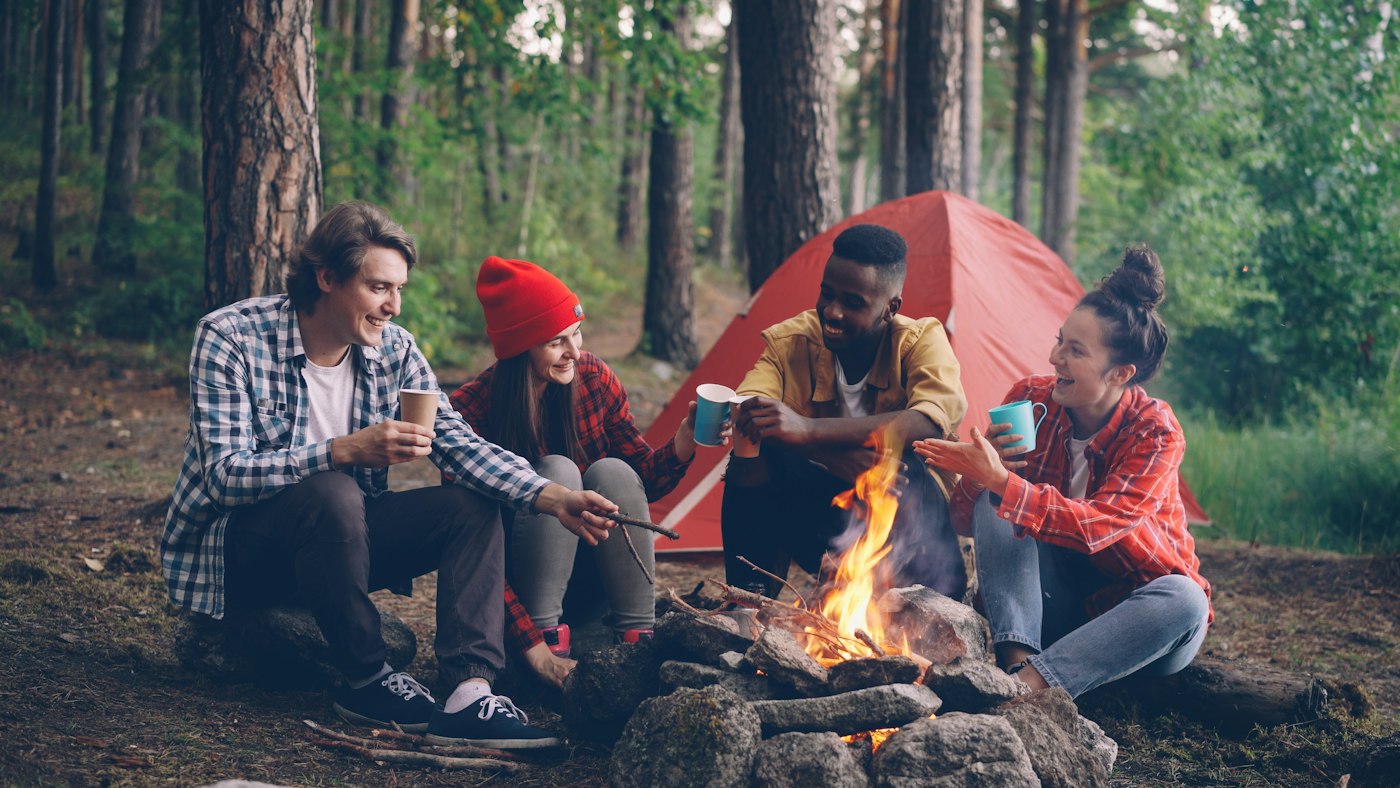
A community grows more invested when its members can shape what happens, not just buy tickets and watch an agenda unfold.
Looking Beneath the Surface
Small shared decisions create ownership. They also require someone to define responsibilities so ideas become real rather than endless suggestions.
A community is not simply a crowd with matching interests. It is a collection of repeated choices about how people are welcomed, how resources are shared and how disagreements are handled.
Culture is most visible when something goes wrong: a late arrival, disagreement or a task nobody wants to do. Preparing a calm response in advance makes generosity easier when people are tired.
A Small Experiment
Ask members to propose three possible workshop subjects, then vote on one. Invite a facilitator, a setup lead and a supplies helper. Publish what was decided and what remains open.
If the exercise feels ordinary, that is useful information too. Repeat it in another setting only if you genuinely want to, and notice which details depend on the place and people around you.
What to Keep in Mind
Be honest about money, land limits, permits and who has final responsibility. Participation should be meaningful rather than ceremonial.