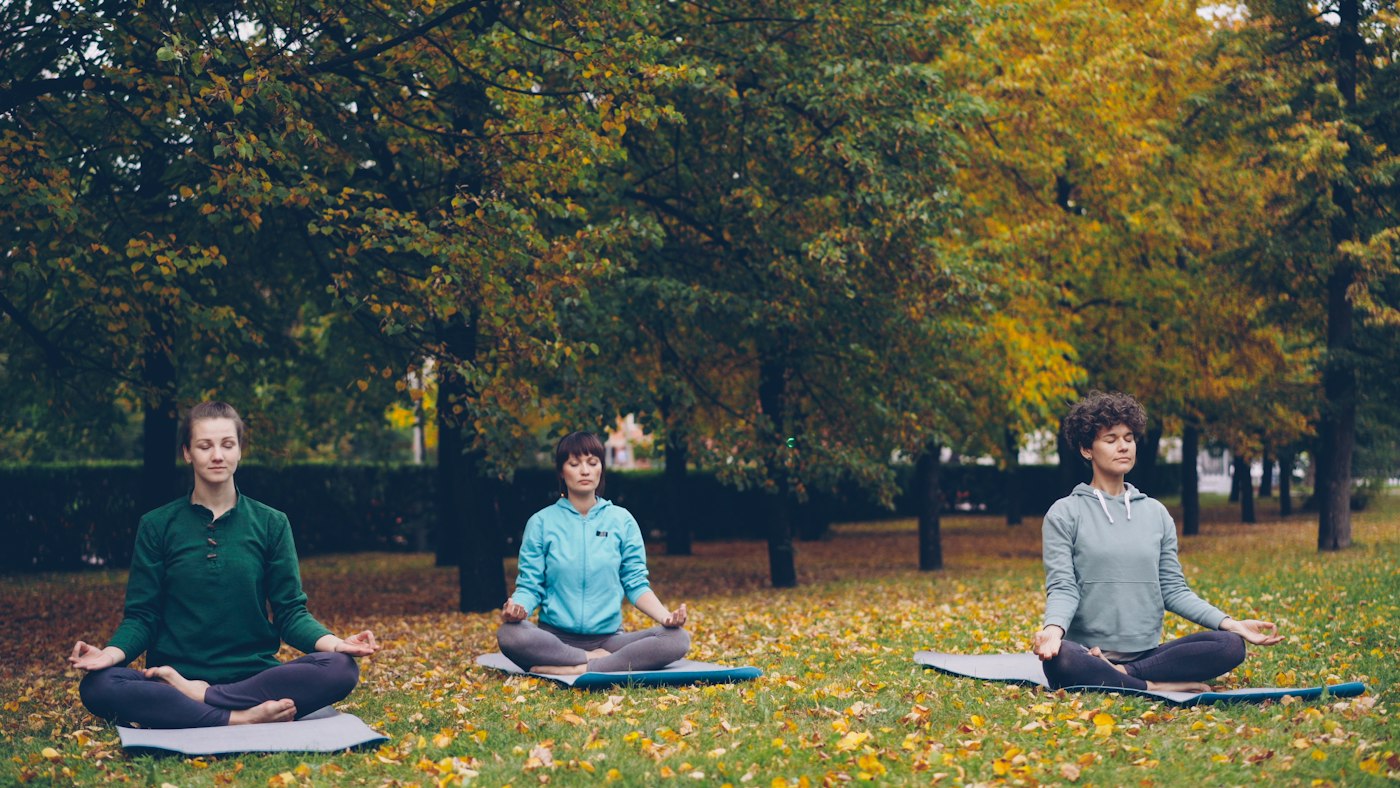
Some breathing practices revolve around a steady, comfortable pace rather than extreme breath holds. Coherent or resonance-style breathing is one such approach.
The Body Before the Technique
Researchers are studying slow breathing in relation to autonomic function and stress, but there is no single ideal rate for everybody. Comfort and medical context matter.
Breathing changes naturally with activity, sleep, temperature and emotion. A comfortable exercise helps people notice those changes instead of trying to override the body with a strict formula.
Try a Gentle Exercise
- Set a calm visual timer and breathe gently, perhaps around five seconds in and five seconds out if that feels natural.
- Continue for two minutes, then return to your ordinary breathing without trying to maintain a number.
Try it before and after a quiet walk. Record how easy the pattern felt, whether it changed your sense of pace and which count was more comfortable.
When teaching others, explain what to do and when to stop in one sentence each. Avoid making participants prove endurance or disclose personal medical details.
What to Keep in Mind
Slow counting is optional. Do not persist through dizziness, breathlessness or chest discomfort, and seek professional advice for medical breathing issues.
Stop if you feel dizzy, faint, tingling, chest discomfort or unusual breathlessness. Avoid forced hyperventilation and breath-hold challenges, especially around water, heights or driving. Seek prompt medical help for severe or unexplained symptoms.