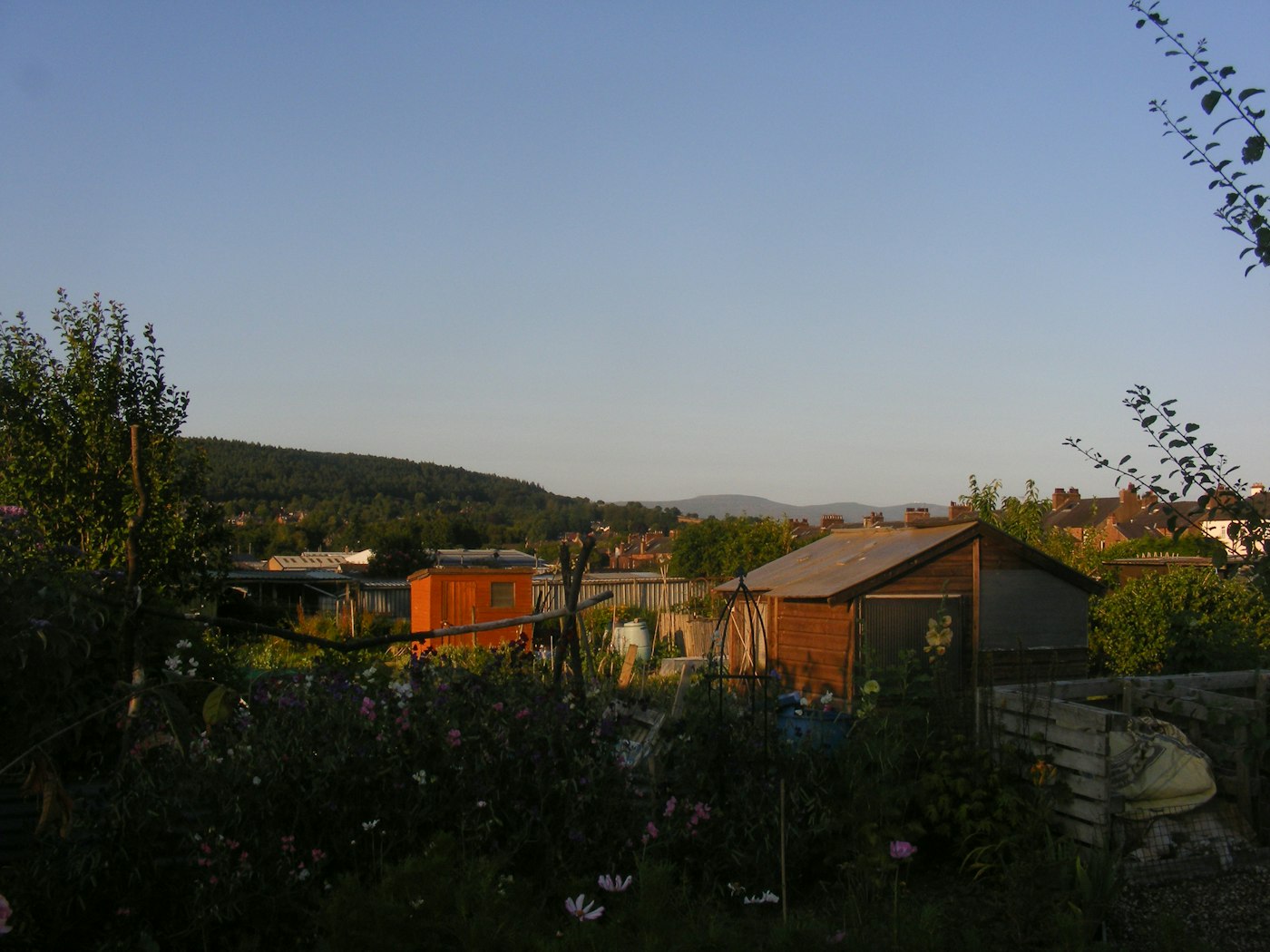
Compost turns suitable organic scraps into a soil amendment, but arid climates make moisture management a special challenge.
Looking Beneath the Surface
Microorganisms need water, oxygen and an appropriate mix of materials to work. A pile that is bone dry may stall; one that is too wet may smell and attract pests.
Skills develop when curiosity meets practice and honest limits. A simple setup that you understand and maintain is often more valuable than an elaborate system whose failure you cannot diagnose.
Start with the smallest safe demonstration that proves an idea. A diagram, labeled sample or short checklist may teach more than a big structure built before its practical needs are understood.
A Small Experiment
Start with a small covered bin of appropriate plant scraps and dry leaves. Check moisture occasionally, turning as needed. Record what happens rather than aiming for a perfect temperature chart from day one.
It can help to write down one detail while it is fresh. You are collecting observations, not constructing a dramatic personal transformation story for other people to admire.
What to Keep in Mind
Follow local wildlife and waste rules. Avoid meat, risky pathogens and contaminated materials in a basic home pile. Wear gloves and wash hands.