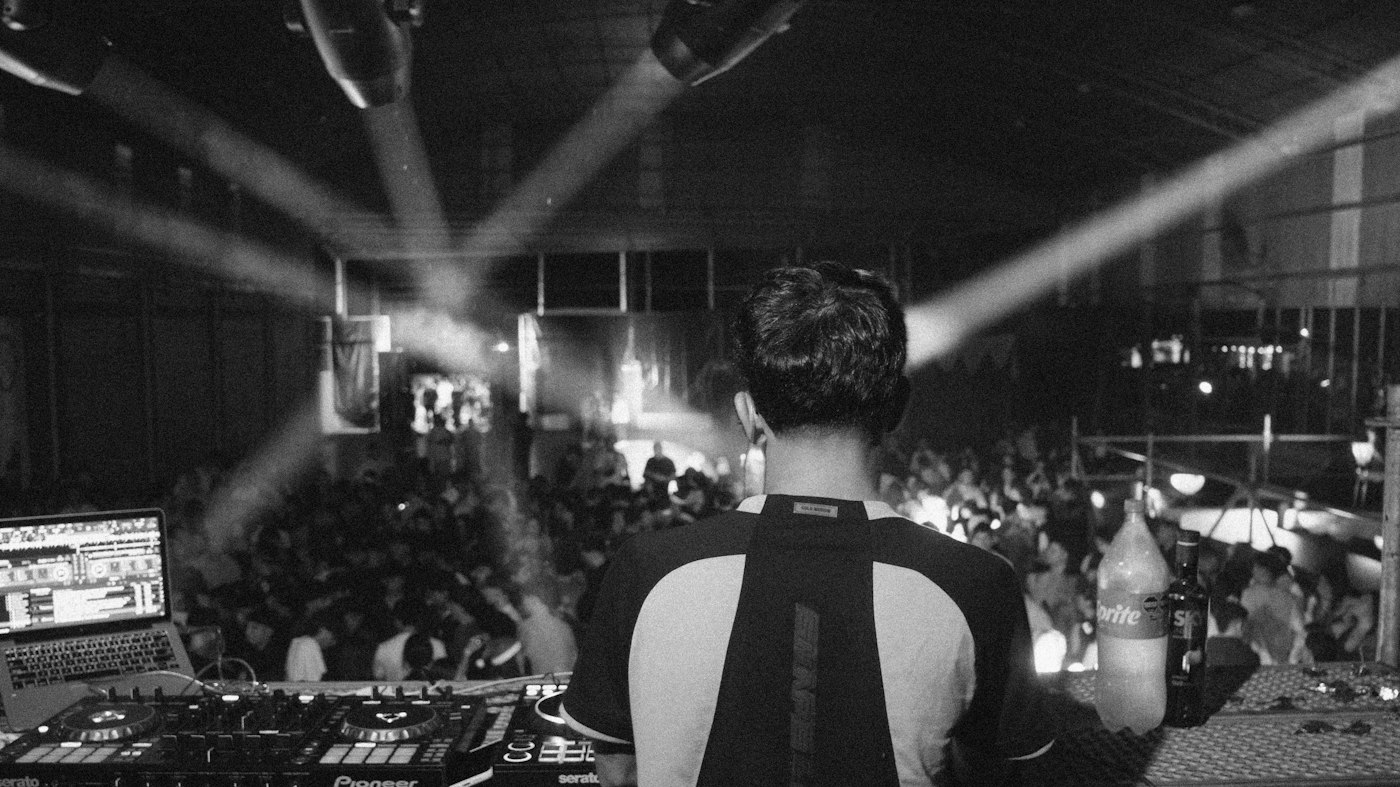
After energetic dancing, the body may be warm, the heart may race and breathing may be fast. Returning to rest deserves as much planning as the music.
The Body Before the Technique
Cooling down is about gradually reducing exertion and moving to a comfortable environment. It is not about forcing the breathing rate to become low immediately.
Most of the benefit of a short practice is in its simplicity: it can be remembered in an ordinary moment. It should not claim to cure medical symptoms or promise precise control over hormones or brainwaves.
Try a Gentle Exercise
- Step away from speakers and crowds, walk slowly for a moment, sip water according to thirst and let breathing settle naturally.
- If comfortable, sit in shade and exhale softly without counting.
Event organizers can provide a visible rest area, water access, directions for seeking help and volunteers trained to recognize distress. Include these features in event planning.
Practice briefly on a calm day before deciding whether it belongs in a stressful moment. If the exercise feels awkward, choose a different anchor or return to ordinary breathing.
What to Keep in Mind
Extreme heat, fainting, confusion, chest pain or persistent breathing difficulty are warning signs requiring prompt attention, not a cue to try more breathwork.
Stop if you feel dizzy, faint, tingling, chest discomfort or unusual breathlessness. Avoid forced hyperventilation and breath-hold challenges, especially around water, heights or driving. Seek prompt medical help for severe or unexplained symptoms.