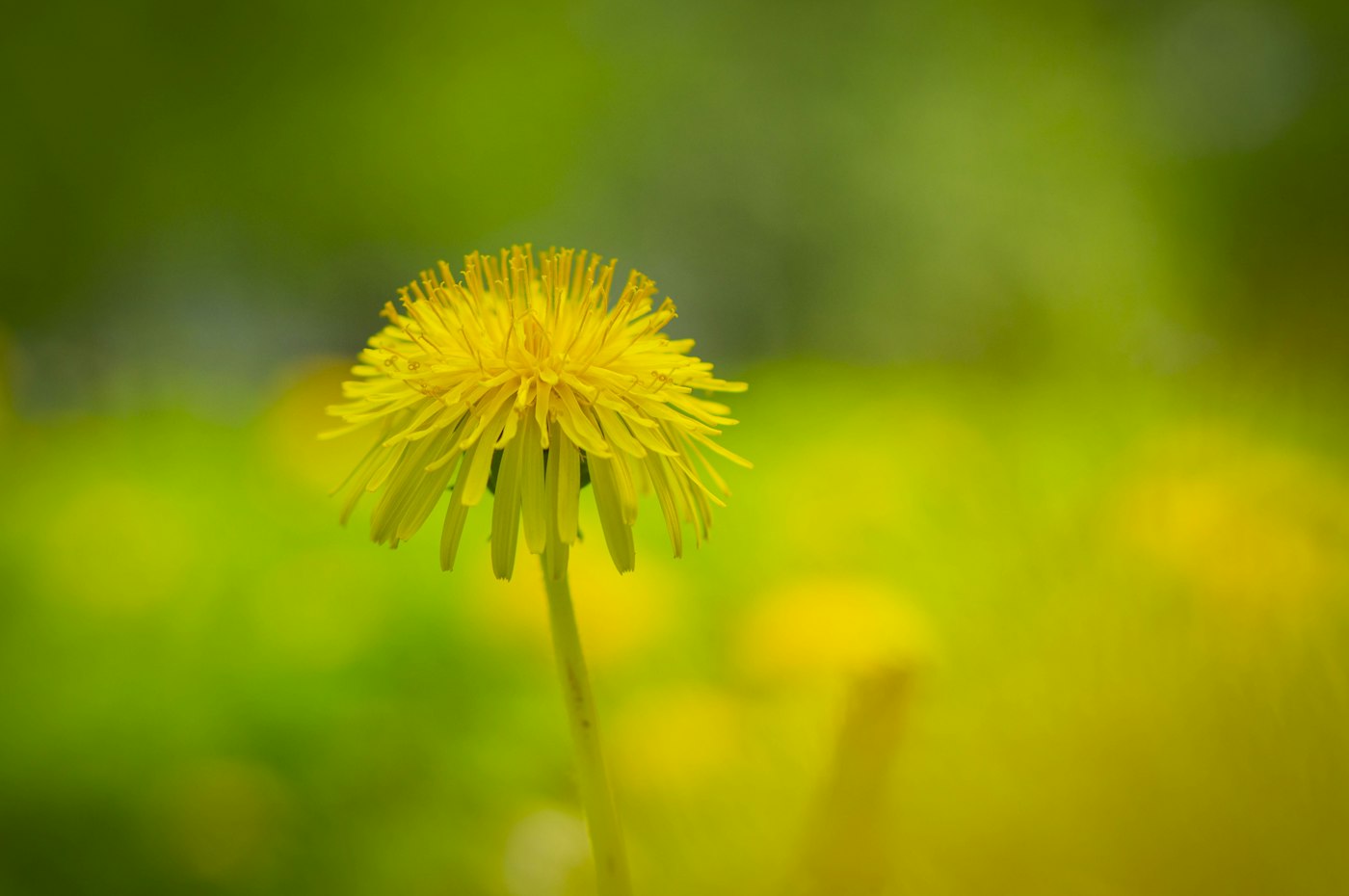
Dandelion is called a weed in some yards and a valued plant in others. It is a practical lesson in how labels depend on culture, land use and context.
The Plant Behind the Reputation
True dandelions are members of a large botanical family with look-alikes. They have a history in food and folk medicine, but strong evidence for treating diseases is lacking.
Traditional use is a valuable historical subject, but it does not prove that a product treats a disease. Research may involve a standardized extract that is very different from an ordinary garden leaf or tea bag.
Learn It Without Guesswork
- Photograph a dandelion-like plant without harvesting it.
- Use a regional field guide to compare leaf arrangement, flower stalks and seed heads, then ask an expert to confirm the identification.
If you want to grow edible dandelion, use certified seed or a reputable nursery in clean soil. Treat any culinary use as food, not a substitute for treatment.
Photograph the plant on three different days. Observe new growth, flowers, pollinators or changing leaves without collecting specimens.
What to Keep in Mind
Never eat urban or roadside plants exposed to herbicide, exhaust or animal waste. Allergies and medication interactions are possible, especially with concentrated products.
Wild plants can be misidentified, contaminated, toxic or protected. Do not ingest unknown plants or use homemade preparations to treat illness. Herbal products can interact with medications or cause allergies; ask a qualified clinician or pharmacist about medicinal use.