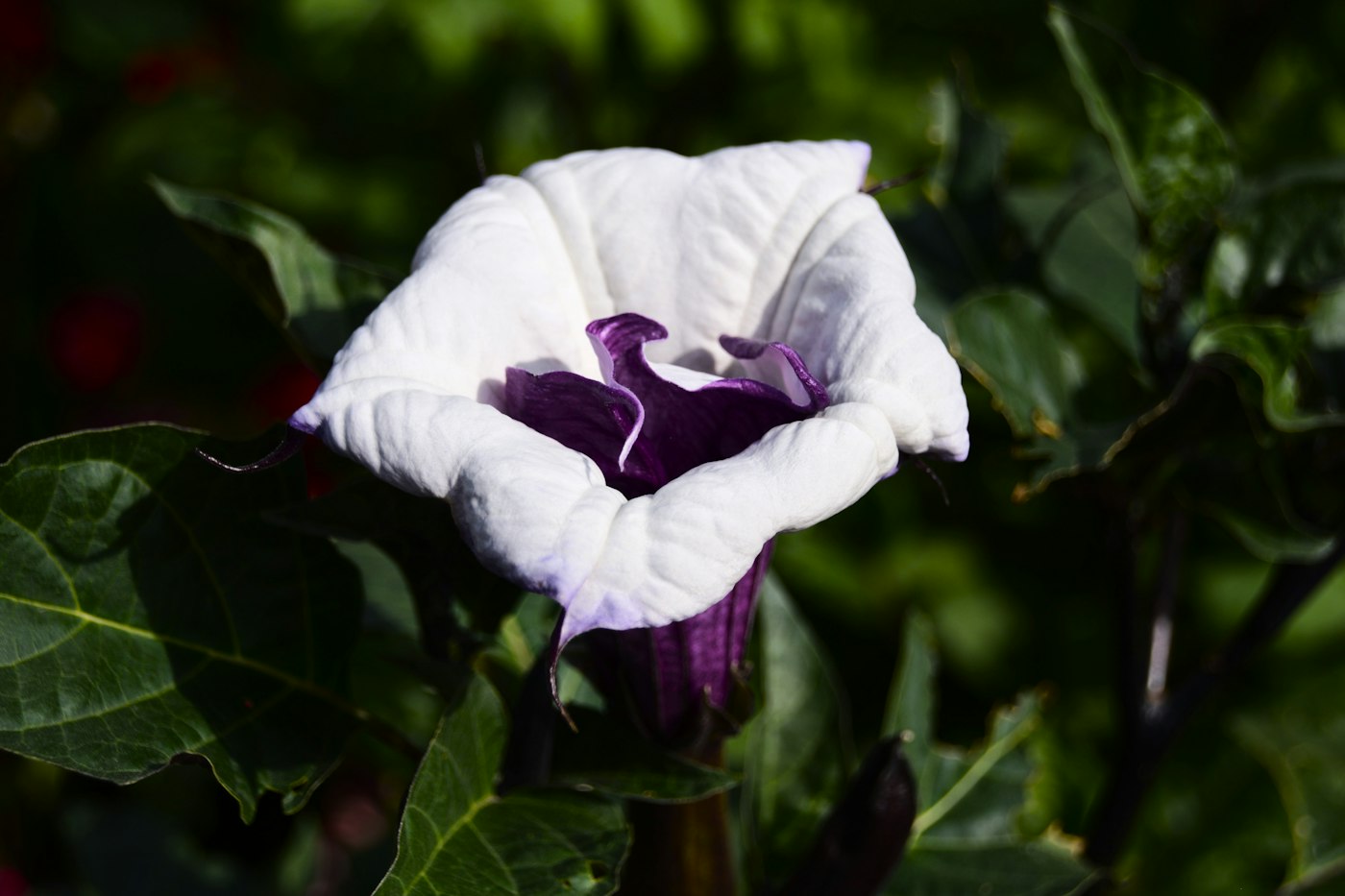
Few plants have been woven into as many stories of mystery, healing and caution as Datura. Across different parts of the world, Datura species appear in ethnobotanical histories, sacred narratives and older medical traditions. They also contain alkaloids that have taught scientists a great deal about the nervous system. The positive story here is fascinating—but it is not the same as claiming that the raw plant is safe to consume.
A Plant with Many Histories
Datura has been used in distinct cultural settings in the Americas and elsewhere. The plant's role has varied widely, from sacred symbolism to highly controlled traditional applications. Responsible cultural writing avoids pretending there was one universal 'Datura ceremony' or suggesting that historical use automatically proves medical benefit. Local names, ecological relationships and community knowledge matter.
A Surprising Connection to Modern Medicine
Compounds related to those found in Datura, particularly tropane alkaloids, have become medically important when purified and precisely formulated. Scopolamine, for example, is available in an FDA-regulated transdermal medication to prevent motion sickness and certain forms of postoperative nausea and vomiting. Atropine is also used in medicine, including treatment of certain dangerous slow heart rhythms and specific poisonings.
This is a powerful example of why studying plants can matter: identifying a molecule, understanding its biological effects and delivering a controlled amount can lead to useful medicines that look nothing like an unpredictable homemade botanical preparation.
What the Chemistry Teaches Us
Tropane alkaloids affect muscarinic acetylcholine receptors. Those receptors participate in functions involving the eye, heart, secretions and other processes. Researchers and clinicians study these compounds because they are biologically potent and because carefully understood mechanisms can lead to reliable treatments.
The story also reveals the difference between delirium and the conscious reflective experiences reported with classic serotonergic psychedelics. Datura's anticholinergic effects can severely disrupt orientation and memory; they are not evidence of a therapeutic psychedelic experience.
A Botanical Learning Activity
Study Datura's floral structures and historical references through reputable botanical guides and museum collections—without touching or consuming specimens. Compare a modern medication label with an old ethnobotanical description. Ask how chemistry, dose control and scientific testing changed the medical story.
A Note on Safety
Raw Datura is highly poisonous and can cause life-threatening anticholinergic delirium, overheating and cardiac complications. It should never be used as a home remedy or psychedelic experiment. The benefits described above belong to regulated medicines, not self-prepared plant material.