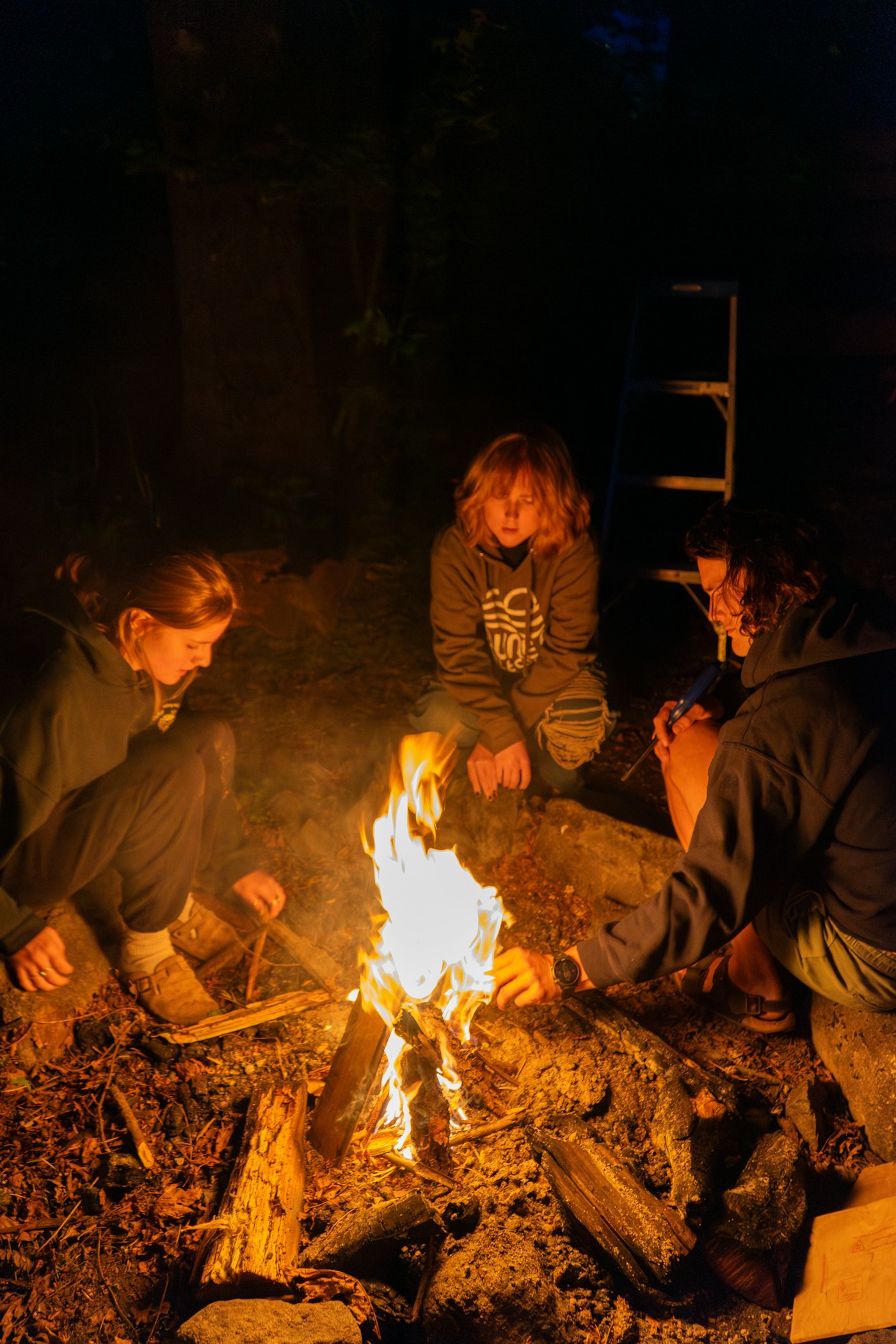
People drawn to unconventional lifestyles often hold strong opinions. Differences can create learning, or they can make a group feel impossible to enter.
Looking Beneath the Surface
Constructive disagreement separates ideas from personal attacks and makes space for uncertainty. The goal is not to pretend all claims are equally supported.
Building an alternative community does not mean everyone must live, dress or believe alike. The freedom to explore different paths requires ordinary skills such as listening, consent and clear communication.
Try considering the idea from the perspective of someone attending alone for the first time. What would they need to know, where might they hesitate, and how could the organizers make their next step clear?
A Small Experiment
In a discussion, ask each person to explain one concern and one value beneath it. Summarize what you heard before responding. When facts matter, agree on evidence to check later instead of escalating.
It can help to write down one detail while it is fresh. You are collecting observations, not constructing a dramatic personal transformation story for other people to admire.
What to Keep in Mind
Hate speech, threats and harassment are not ordinary disagreements to accommodate. Moderators should intervene when boundaries are crossed.