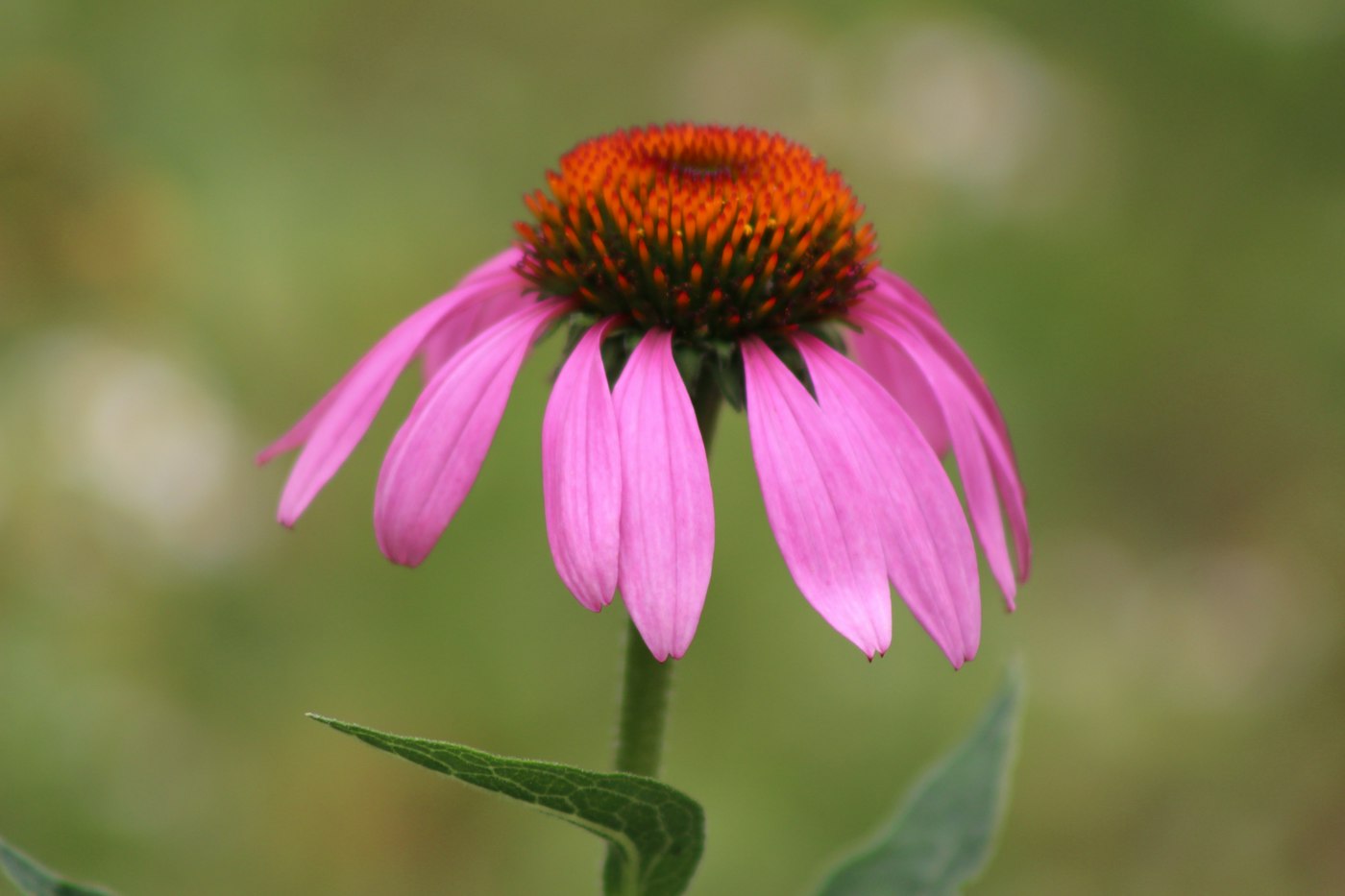
Echinacea has a strong reputation in cold-season supplements. Its flowers also make excellent subjects for learning how a popular herb is researched.
The Plant Behind the Reputation
Studies on echinacea products and colds have yielded mixed results, partly because products use different species, plant parts and preparations. A single product result does not describe the whole genus.
A botanical garden, a regional field guide and a notebook can teach plenty without harvesting or consuming plants. Look for details such as leaf arrangement, season, habitat, and which parts identify the species.
Learn It Without Guesswork
- Plant a correctly labeled Echinacea species appropriate to your region.
- Photograph its cone-shaped flower head and record pollinator visits.
When comparing supplements, look for the exact species name, plant part, manufacturer and any clinical research using that specific preparation.
Read the label of a commercial product that names the plant. Check which species, plant part and preparation it uses instead of assuming the product represents the whole botanical tradition.
What to Keep in Mind
Daisy-family allergies are possible. Do not use echinacea to replace medical care or assume that more of an extract makes it more protective.
Wild plants can be misidentified, contaminated, toxic or protected. Do not ingest unknown plants or use homemade preparations to treat illness. Herbal products can interact with medications or cause allergies; ask a qualified clinician or pharmacist about medicinal use.