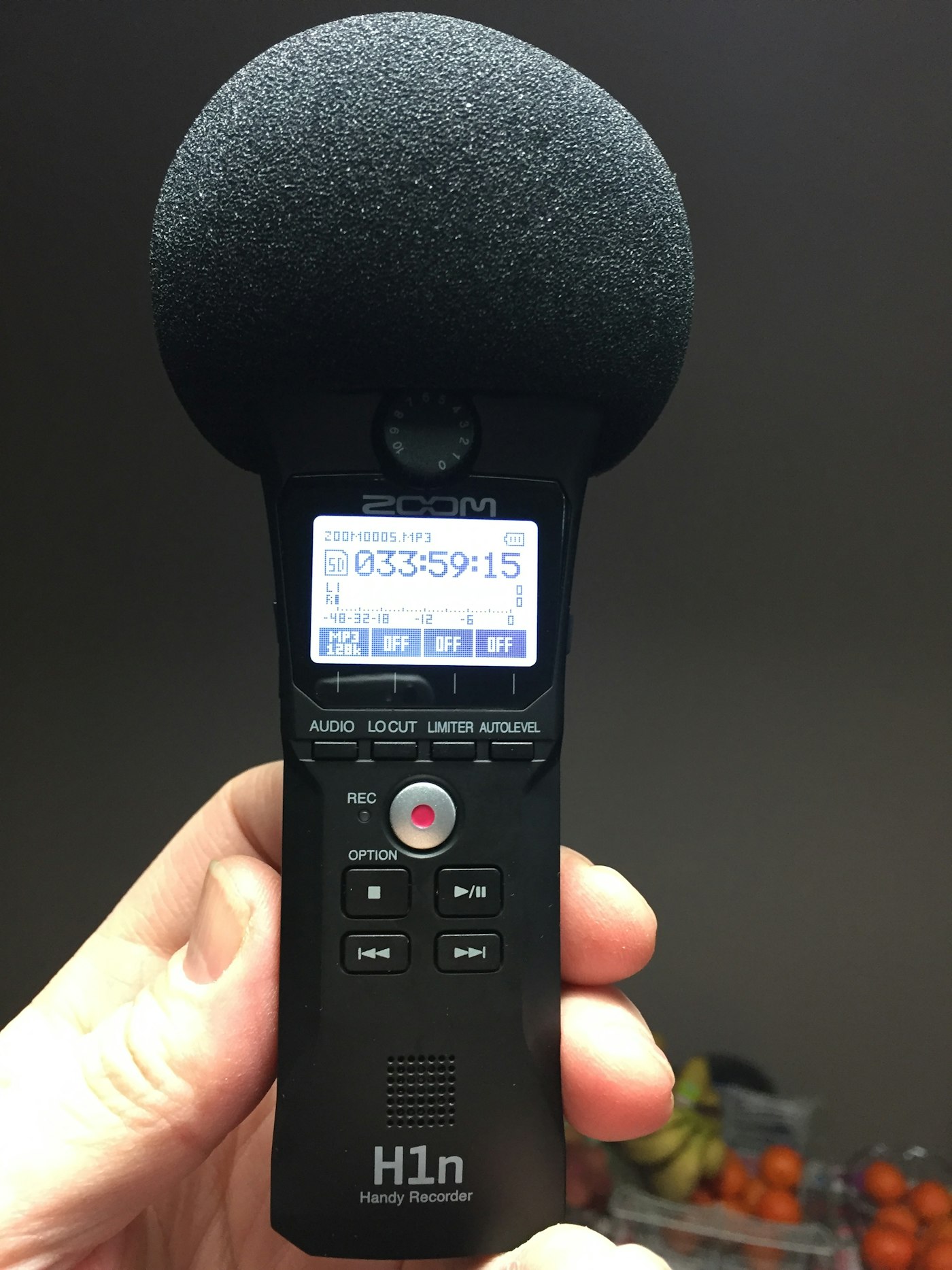
A landscape has a signature that a photograph cannot fully capture. Footsteps in gravel, a gate creaking and distant birds tell stories about where we are.
Looking Beneath the Surface
Field recordings preserve textures of ordinary life. They can become art, memory, research material or simply a reason to listen closely.
Music is one of the quickest ways a room can begin to feel like a shared place. Yet people hear through different histories, preferences and sensory needs. Thoughtful sound culture makes space for that variety.
Ask what the sound invites people to do. Does it leave room for conversation, encourage movement or call for stillness? Thinking about purpose helps musicians and organizers build an atmosphere rather than simply fill empty space.
A Small Experiment
Use your phone to record thirty seconds of an ordinary sound in a safe location. Note the time, weather and distance from the source. Later, listen with eyes closed and compare the memory to the recording.
Give yourself permission to modify the activity. A practice that fits a real life, with all its demands and interruptions, is more valuable than a perfect method that never gets used.
What to Keep in Mind
Ask permission before recording people. Avoid sensitive wildlife locations and do not share private conversations or identifiable voices without consent.