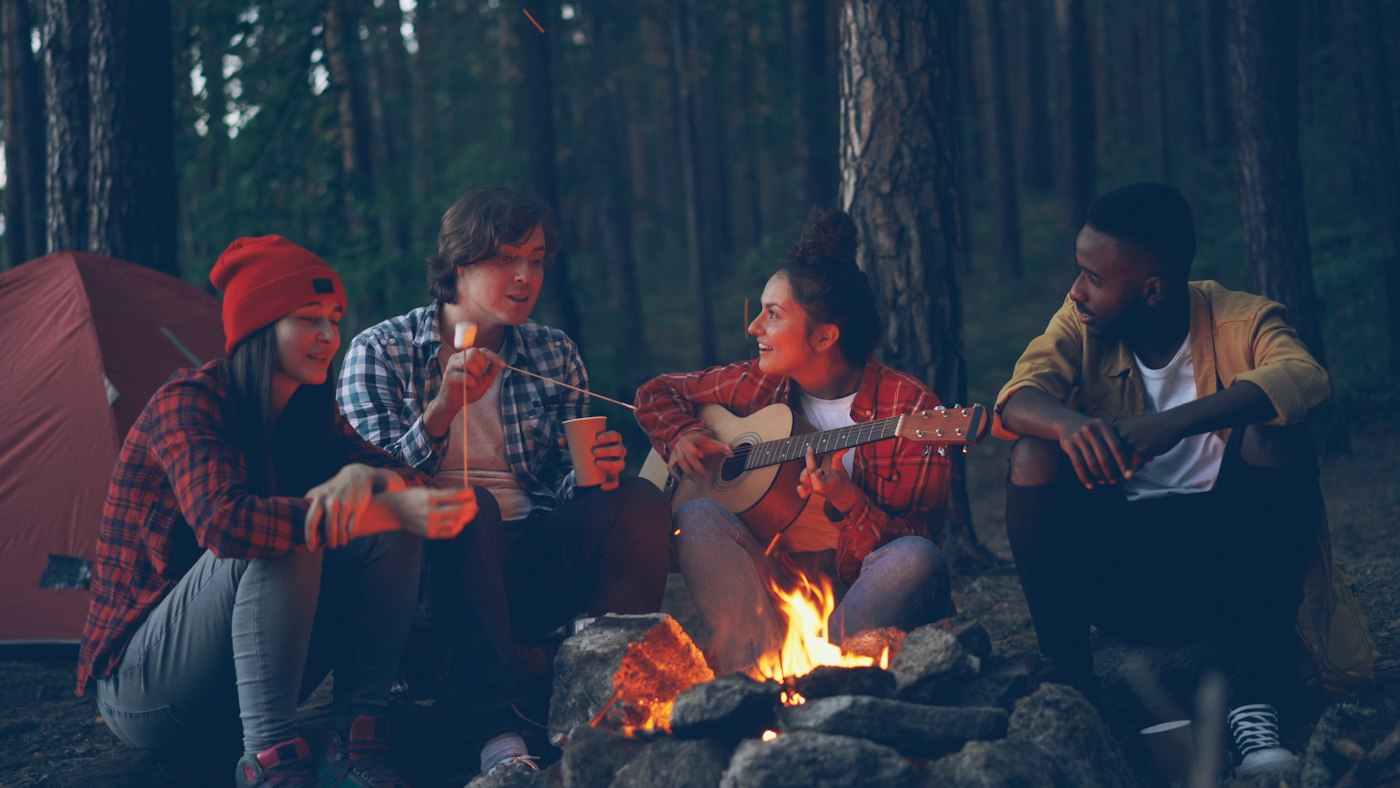
Fire has been a center of human storytelling and shared meals for a very long time. Outdoors, it also demands deliberate care.
Looking Beneath the Surface
Wind, dry vegetation and unattended embers can turn a pleasant gathering dangerous. A safe fire plan is part of community hospitality, not a mood-killer.
The outdoors is not simply scenery for our experiences. It is a living place with its own rhythms, limits and other inhabitants. Paying attention is also a way of learning how not to leave harm behind.
Ask what the place would need if a dozen people visited it tomorrow. That question shifts attention from the visitor’s experience to the land’s capacity and the responsibilities that come with gathering there.
A Small Experiment
Before planning a fire, check current restrictions, weather, authorized fire location and available suppression water or tools. Assign someone to keep watch and a method for complete extinguishment. Have a no-fire backup gathering plan.
If the exercise feels ordinary, that is useful information too. Repeat it in another setting only if you genuinely want to, and notice which details depend on the place and people around you.
What to Keep in Mind
Never leave flames or hot coals unattended. Avoid accelerants and enclosed spaces; follow local land-management rules.