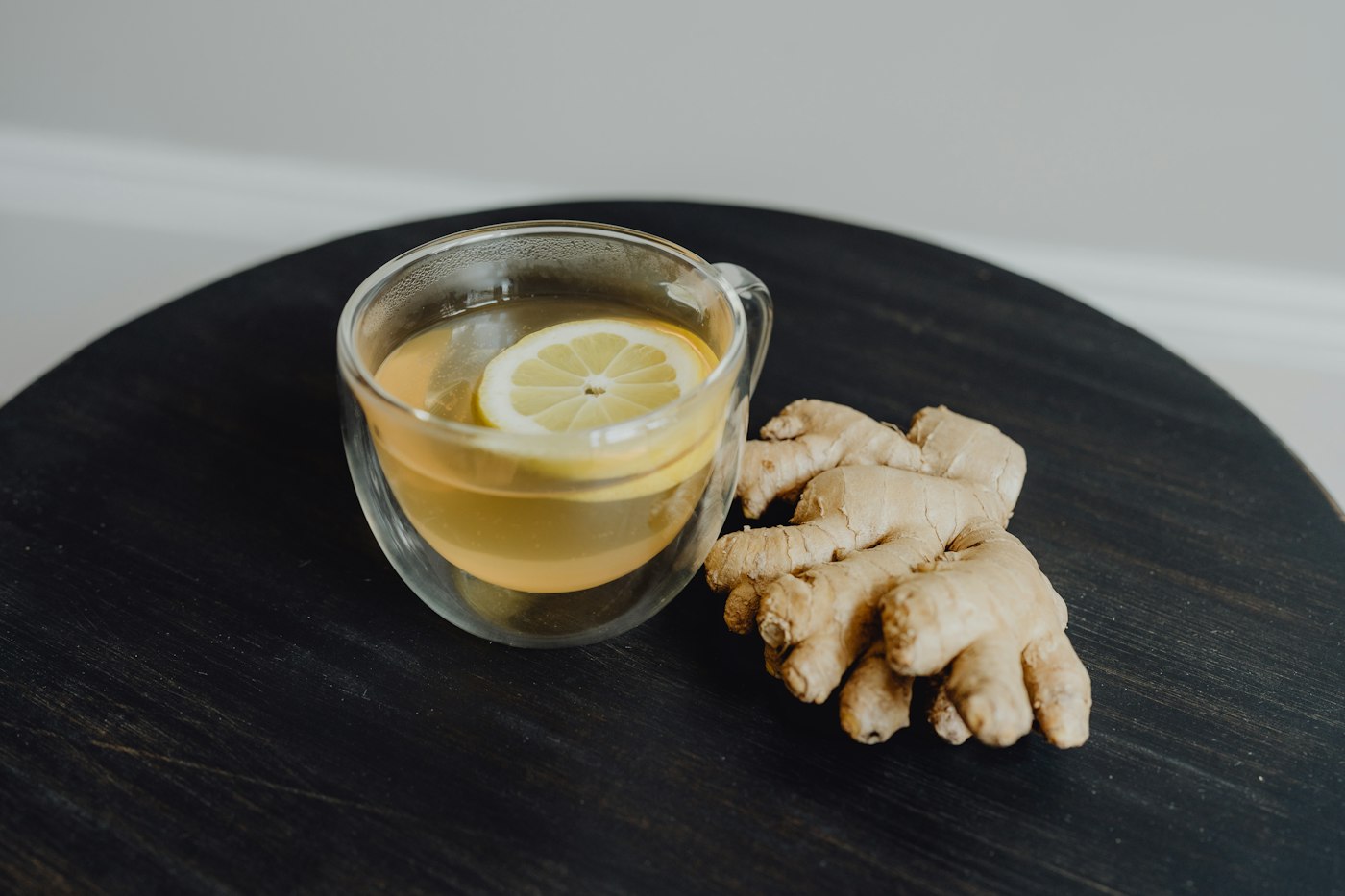
A warm ginger drink is a familiar home comfort, and ginger has also been studied for some types of nausea. The two facts are connected, but not identical.
What the Remedy Can and Cannot Tell Us
Clinical research often investigates particular products and settings. A homemade kitchen tea may differ considerably from a studied preparation, so claims about dosage and effectiveness cannot simply be borrowed.
The word remedy is used for everything from a comforting drink to a concentrated supplement. These are not equivalent. The same herb can be present in very different forms, with different strengths and safety questions.
A Grounded At-Home Approach
- For a nonmedical kitchen drink, steep a few clean slices of ordinary food-grade ginger in hot water, allow it to cool, and adjust the flavor with lemon if you like.
- Focus on comfort, not a promise to cure illness.
If nausea persists, note when it happens, accompanying symptoms and any medicines. Those observations can help a clinician determine whether treatment is needed.
If you use a product as food or comfort, make that distinction explicit in your notes. Track what you actually did rather than crediting the herb with unrelated improvements.
What to Keep in Mind
Ginger supplements may interact with some drugs, and pregnancy-related medicinal use warrants professional guidance. Persistent vomiting, dehydration or significant abdominal pain needs medical attention.
Herbal products can cause adverse reactions and interact with medicines. Do not abandon prescribed care or use herbs to treat emergencies. Some groups—including infants, pregnant people, and people with chronic illness—need special care. Contact Poison Help at 1-800-222-1222 after suspected exposures in the United States.