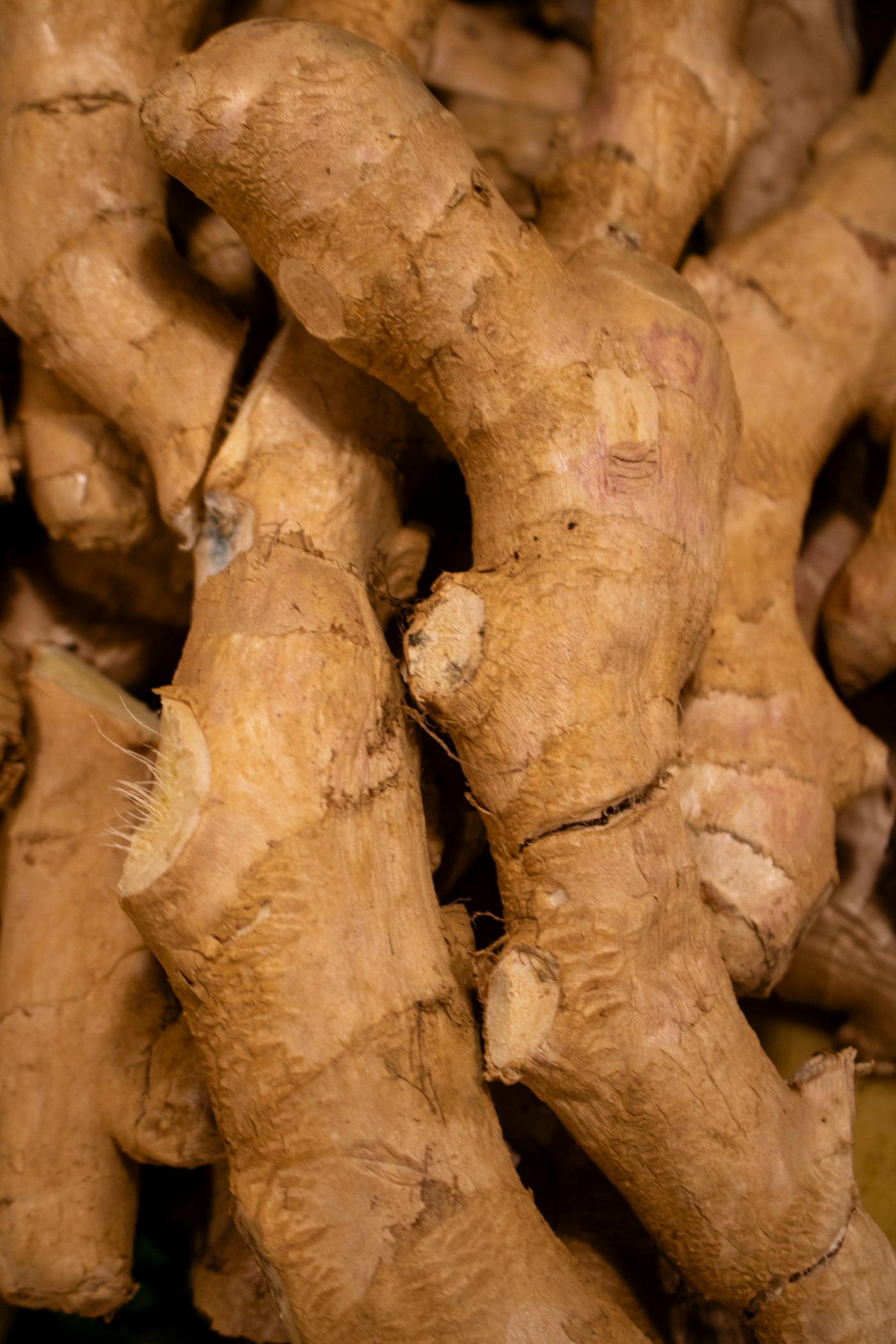
Ginger is familiar in soup and tea, but it is also among the herbs studied for nausea. That makes it a useful bridge between food culture and clinical inquiry.
The Plant Behind the Reputation
Studies differ by type of nausea and preparation. Ginger supplements can have side effects and potential medication interactions, so evidence for one setting cannot be generalized to every stomach problem.
Growing a plant can create a personal connection without using it as medicine. Pollinators, water requirements and soil health often become the most rewarding parts of the lesson.
Learn It Without Guesswork
- Buy a food-grade ginger rhizome and compare the smell of freshly cut ginger with dried culinary ginger.
- Try it as a small amount of ordinary seasoning in food rather than self-prescribing supplements.
Read a reputable summary of ginger research and note which situations had supportive evidence and which remain uncertain.
Try making a plant profile card with its scientific name, common names, habitat, key identifying features and unanswered safety questions. Keep a section titled “What I do not know yet.”
What to Keep in Mind
People using blood-thinning drugs, those who are pregnant, and anyone with persistent vomiting should discuss medicinal use with a clinician. Severe or unexplained symptoms need evaluation.
Wild plants can be misidentified, contaminated, toxic or protected. Do not ingest unknown plants or use homemade preparations to treat illness. Herbal products can interact with medications or cause allergies; ask a qualified clinician or pharmacist about medicinal use.