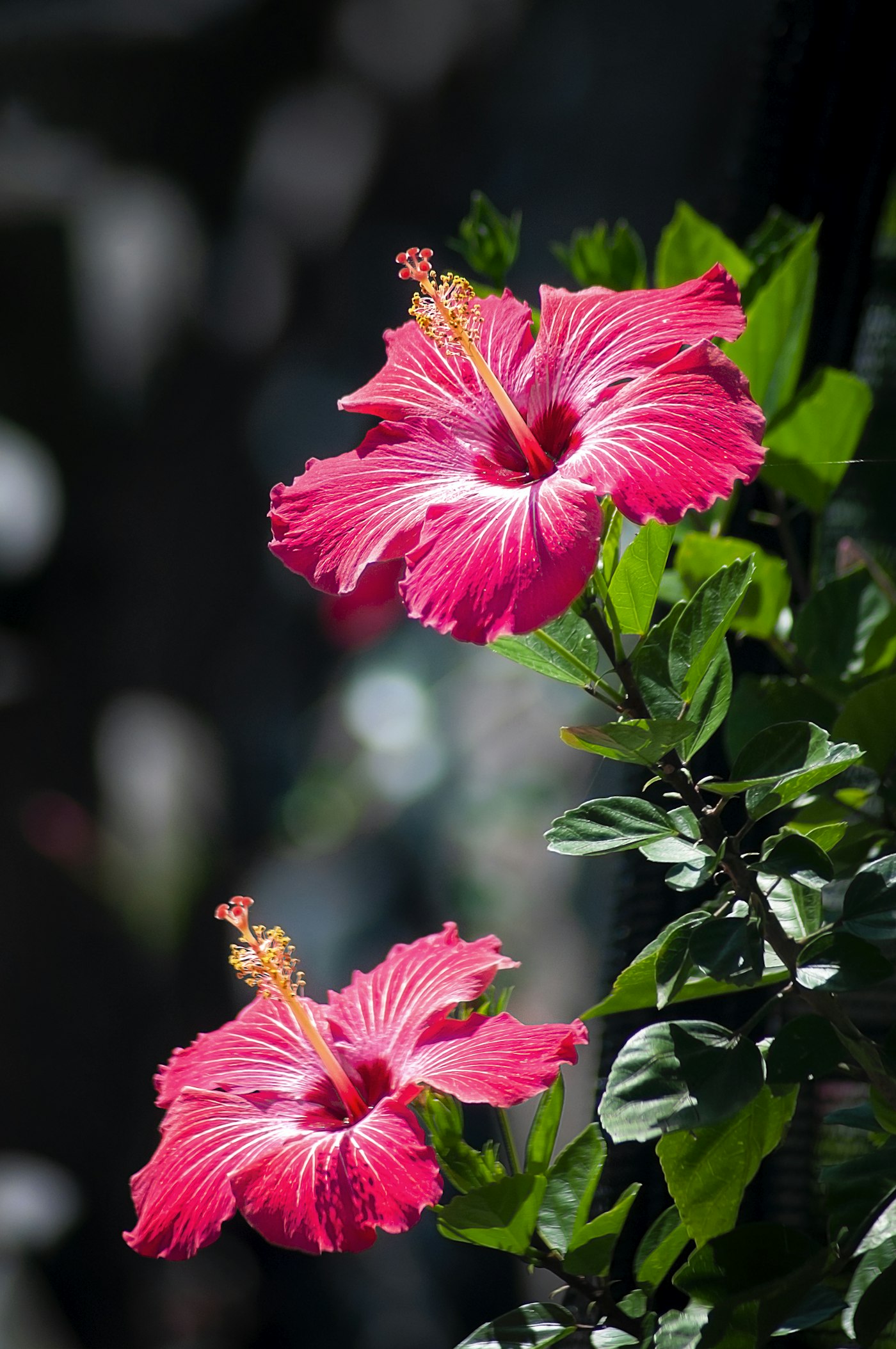
Hibiscus tea is tart, vividly colored and widely enjoyed. Its striking appearance makes it easy to forget that the word hibiscus covers many species.
What the Remedy Can and Cannot Tell Us
Some studies have explored particular hibiscus preparations and blood-pressure outcomes, but results do not justify replacing medical treatment or assuming every blend is equivalent.
Food traditions, personal comfort and clinical treatment can coexist without being confused. A pleasant ritual may be meaningful even when there is no good evidence that the ingredient treats a disease.
A Grounded At-Home Approach
- Choose a food-grade tea labeled with its botanical ingredients, steep according to the package, and enjoy it cold or warm.
- Observe the color shift when you add lemon and treat it as a simple kitchen-science experiment.
Read one clinical evidence summary and identify the plant species, dose form and study population. Ask whether that research is relevant to the tea in your cup.
Ask a pharmacist what questions matter for someone using prescriptions, pregnant, nursing or managing a chronic condition. Do not rely on casual online advice to resolve interactions.
What to Keep in Mind
People taking blood-pressure medication, pregnant individuals and those with health conditions should ask a clinician about medicinal use. Do not use hibiscus to self-manage dangerously high blood pressure.
Herbal products can cause adverse reactions and interact with medicines. Do not abandon prescribed care or use herbs to treat emergencies. Some groups—including infants, pregnant people, and people with chronic illness—need special care. Contact Poison Help at 1-800-222-1222 after suspected exposures in the United States.