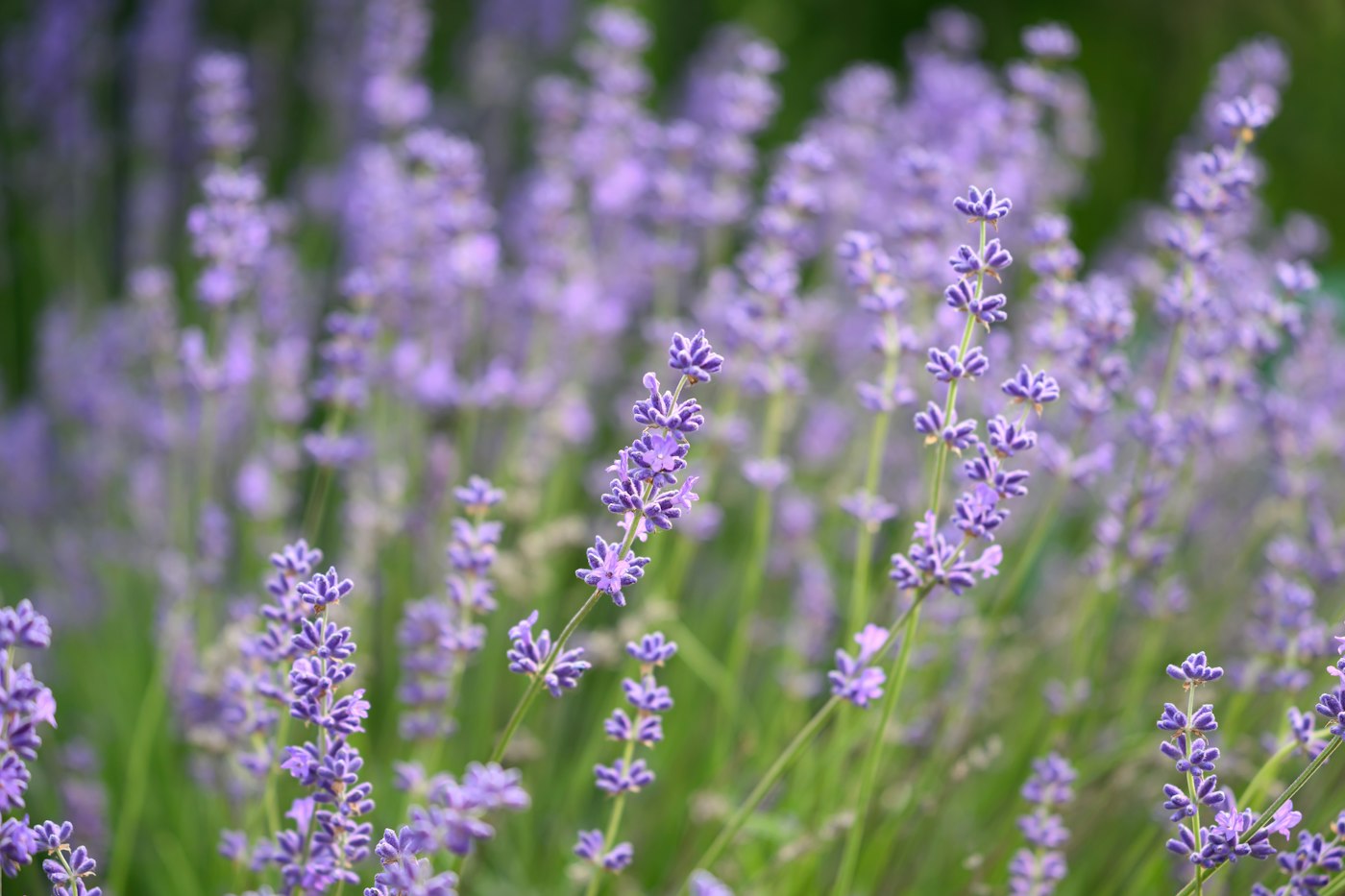
Lavender's scent is woven into candles, soaps and bedtime rituals. But the lavender plant, a fragrance oil and a clinical product are three very different things.
The Plant Behind the Reputation
Some research has studied standardized lavender preparations for anxiety-related symptoms. That does not mean every scented product has the same composition or expected effect.
Traditional use is a valuable historical subject, but it does not prove that a product treats a disease. Research may involve a standardized extract that is very different from an ordinary garden leaf or tea bag.
Learn It Without Guesswork
- Learn the difference between English lavender and other commonly sold lavenders by checking botanical labels.
- Grow a small plant in well-drained soil and observe its flowering and pollinators.
For a low-risk sensory practice, smell a flowering plant outdoors and notice whether the aroma is pleasant or overpowering. Compare products by their actual ingredients instead of claims like pure calm.
Compare two sources—one traditional herbal text and one modern evidence summary. Notice where their claims agree, diverge or describe different products entirely.
What to Keep in Mind
Essential oils can irritate skin and should not be swallowed casually. Strong fragrance can trigger headaches or respiratory symptoms; keep it optional around others.
Wild plants can be misidentified, contaminated, toxic or protected. Do not ingest unknown plants or use homemade preparations to treat illness. Herbal products can interact with medications or cause allergies; ask a qualified clinician or pharmacist about medicinal use.