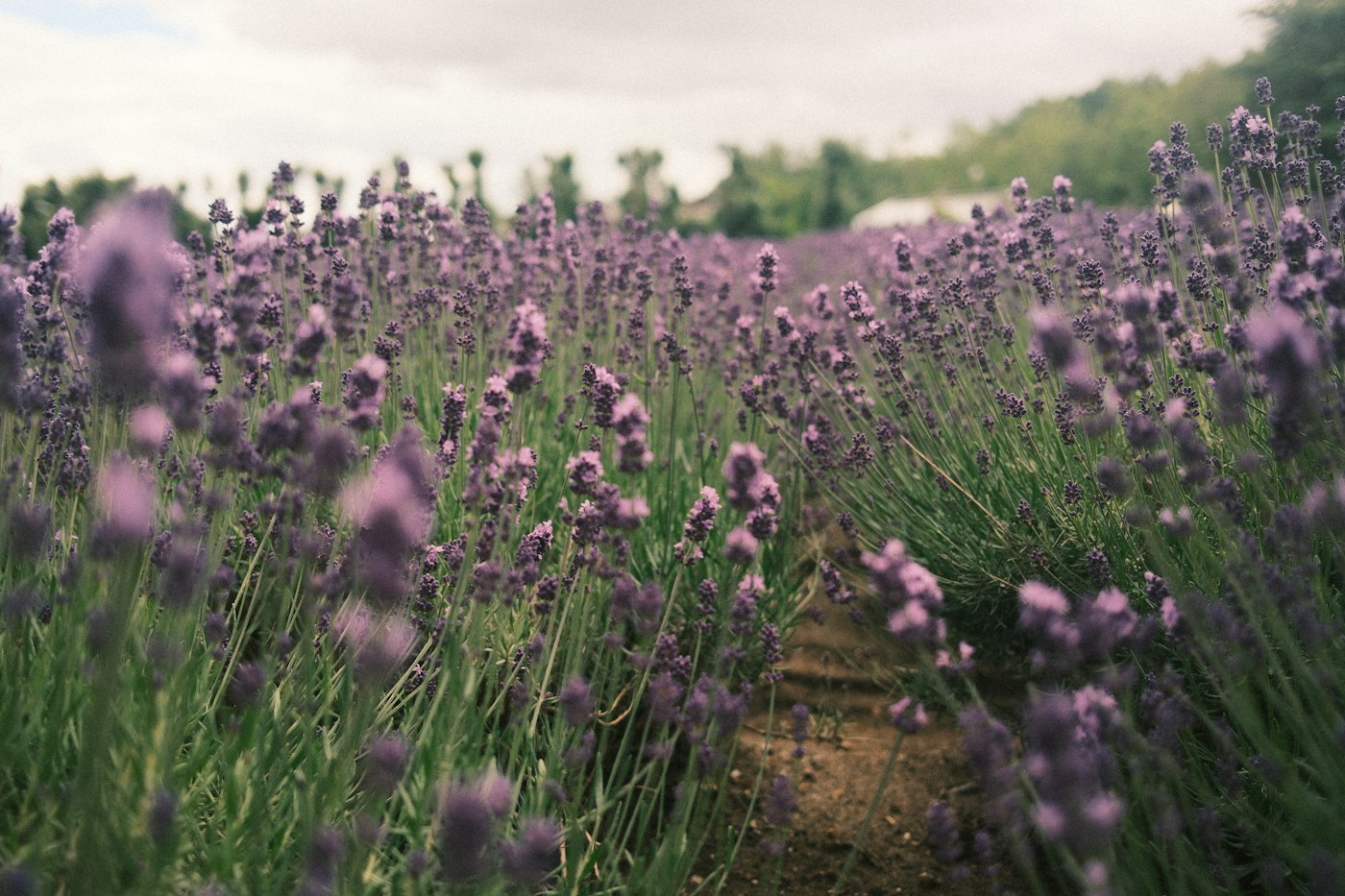
A simple cloth sachet offers the pleasant scent of dried lavender without diffusers, burners or concentrated drops.
What the Remedy Can and Cannot Tell Us
Smell can serve as a personal cue for rest or familiarity. That does not mean lavender scent universally treats anxiety or guarantees sleep.
Labels are part of practical herbalism. Botanical names, ingredient amounts, warnings, quality practices and possible medicine interactions tell you more than claims about detoxing or boosting everything.
A Grounded At-Home Approach
- Place a small amount of correctly labeled, clean, dried culinary or craft lavender in a breathable cloth pouch, stitch it closed, and keep it away from small children and pets.
- Put it in a drawer rather than against your skin.
Compare how you feel about the aroma in different settings. Ask family or guests whether they enjoy it before scenting shared spaces.
Compare two products with similar marketing. Write down their exact ingredient lists and warning labels, then ask whether they can reasonably be expected to behave the same way.
What to Keep in Mind
Avoid sachets if scents trigger migraines, asthma or allergies. Keep dried botanical materials away from food unless sold for consumption and never feed them to pets.
Herbal products can cause adverse reactions and interact with medicines. Do not abandon prescribed care or use herbs to treat emergencies. Some groups—including infants, pregnant people, and people with chronic illness—need special care. Contact Poison Help at 1-800-222-1222 after suspected exposures in the United States.