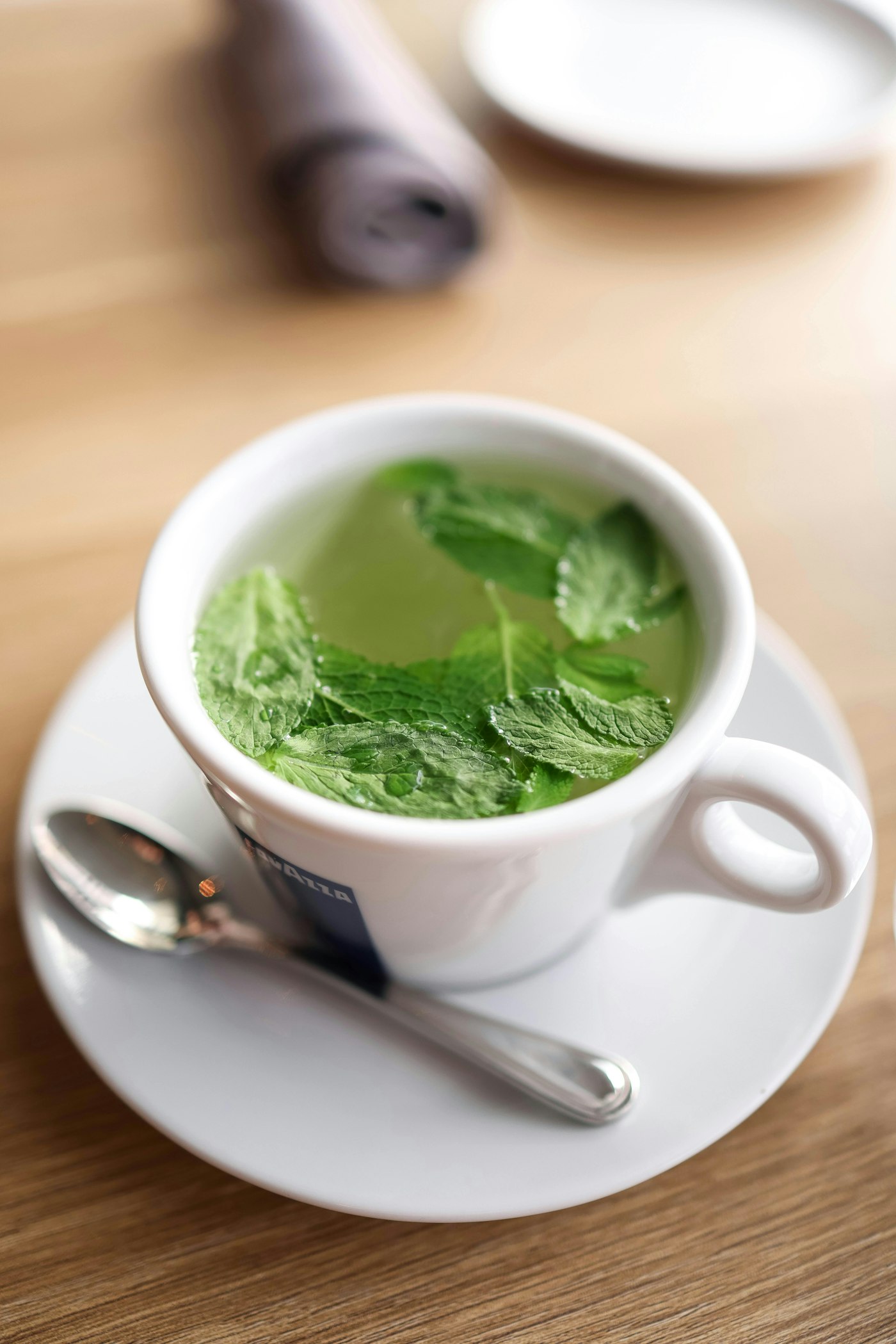
Rub a lemon balm leaf and you may smell something between citrus and green herbs. That scent has helped the plant find a place in centuries of household gardens.
The Plant Behind the Reputation
Lemon balm is used traditionally for relaxation, but research quality varies and products sold as sleep aids may include several other ingredients.
Traditional use is a valuable historical subject, but it does not prove that a product treats a disease. Research may involve a standardized extract that is very different from an ordinary garden leaf or tea bag.
Learn It Without Guesswork
- Grow Melissa officinalis from a labeled nursery plant and watch how the leaves change when young and mature.
- Compare a food-grade lemon balm tea's ingredient label with a combination sleep blend.
Write a journal entry after a regular caffeine-free tea ritual about the quiet routine itself—lighting, timing and time away from screens—not a supposed chemical guarantee.
Try making a plant profile card with its scientific name, common names, habitat, key identifying features and unanswered safety questions. Keep a section titled “What I do not know yet.”
What to Keep in Mind
Herbs can interact with medicines, and quality varies; people who are pregnant or managing thyroid or sedative medication questions should get professional advice before concentrated use.
Wild plants can be misidentified, contaminated, toxic or protected. Do not ingest unknown plants or use homemade preparations to treat illness. Herbal products can interact with medications or cause allergies; ask a qualified clinician or pharmacist about medicinal use.