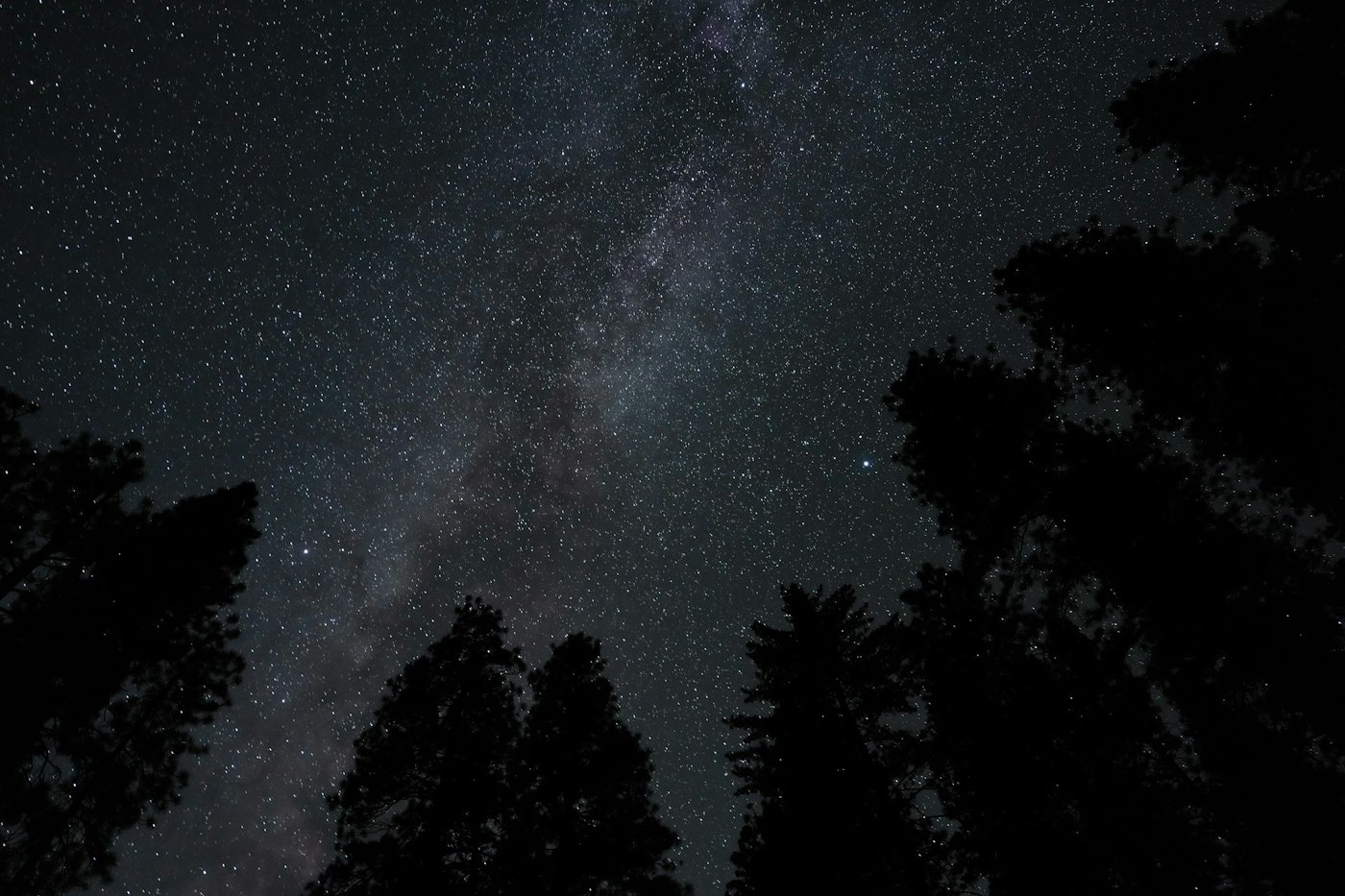
Artificial light lets people gather after sunset, but too much of it hides stars and changes the feel of a natural landscape.
Looking Beneath the Surface
Bright, poorly directed lights can disturb people and wildlife. Thoughtful outdoor lighting is often about directing light where needed rather than making everything brighter.
A nature practice can be wonderfully uncomplicated: find a safe place, notice what is happening and return another day. Knowledge accumulates through patience as well as through guides and measurements.
Use photographs as a record without turning the place into a backdrop. A close observation of soil, weather or a common plant can tell a richer story than a dramatic image that required disturbing wildlife.
A Small Experiment
At an outdoor event, aim lights downward toward paths, entrances and hazards. Choose warm bulbs and switch off decorative lighting when it is no longer needed. Keep dark routes clearly marked for safety.
Give yourself permission to modify the activity. A practice that fits a real life, with all its demands and interruptions, is more valuable than a perfect method that never gets used.
What to Keep in Mind
Never sacrifice emergency visibility to preserve darkness. Be mindful of people with low vision and other accessibility needs.