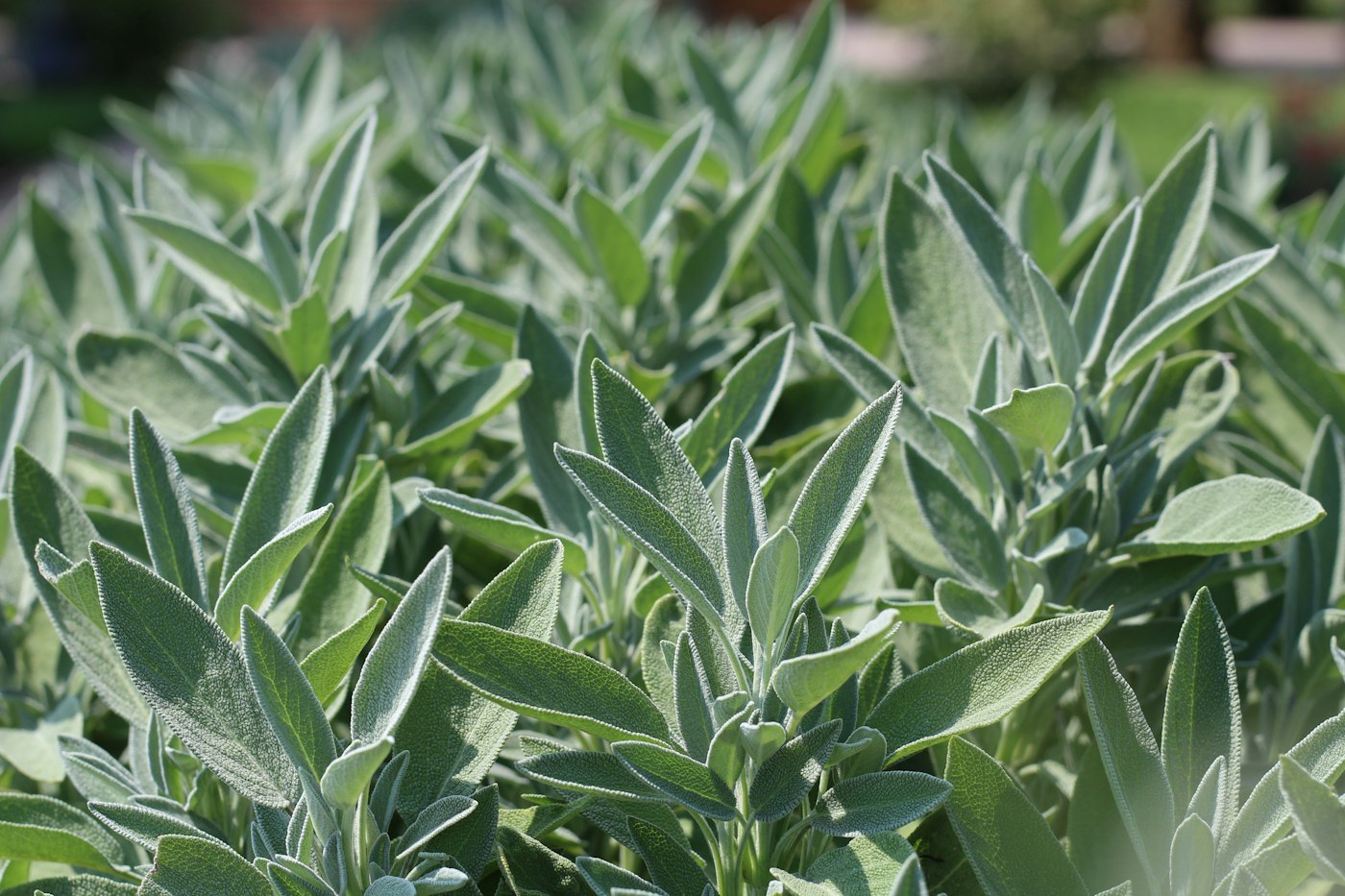
The high desert is full of plants with unusual shapes, textures and histories. Curiosity is worthwhile, but the line between identification and consumption must remain clear.
Looking Beneath the Surface
Many edible, irritating and toxic plants resemble one another, particularly when young or out of season. Photos and folklore alone are unreliable ways to establish safety.
Wonder and stewardship belong together. The desire to get closer should not lead us to trespass, disturb wildlife or alter fragile habitats simply for a photograph or memorable moment.
Try pairing the experience with a local field guide or conversation with someone who knows the area. Experienced knowledge can correct mistaken assumptions and bring attention to details you would otherwise miss.
A Small Experiment
Take photographs of an unfamiliar plant's leaves, stem, flowers and surroundings without damaging it. Compare multiple regional field guides and ask a qualified local expert if needed. Keep a notebook of unanswered questions.
After trying the practice, compare what you expected with what actually happened. A small change in attention can be interesting even when there is no obvious benefit to measure.
What to Keep in Mind
Never eat, brew or apply an unidentified wild plant. Some plants are dangerous even on contact, and protected species must be left alone.