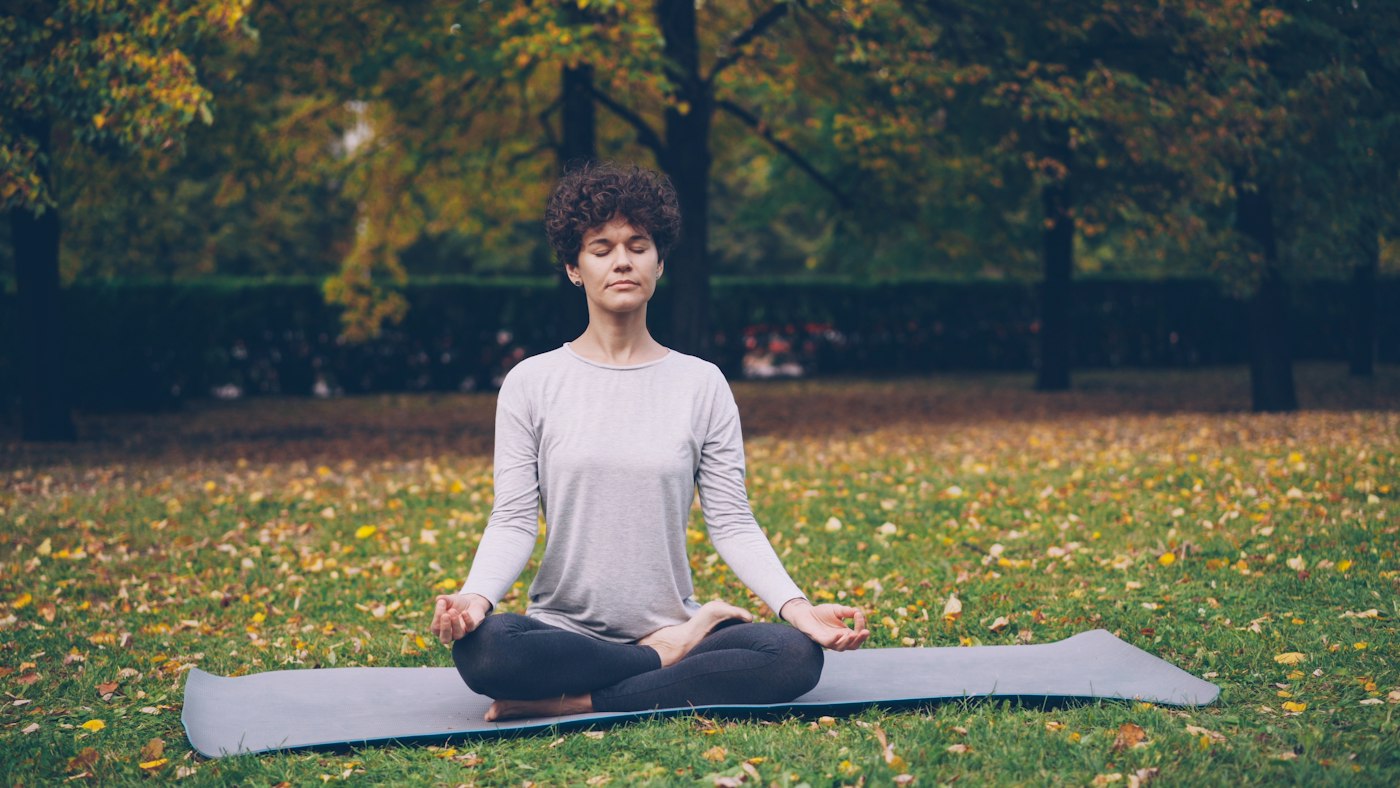
Repeating a short phrase can make it easier to notice when your attention has wandered. A mantra need not be exotic to give the mind a gentle place to land.
A Practice, Not a Performance
Mantra practices belong to many religious lineages; sacred words deserve respect. For a secular exercise, choose an ordinary phrase that means something to you without borrowing a closed ceremony.
Short practices are easier to adapt to everyday life. Research into mindfulness suggests potential benefits for stress and other outcomes, but studies differ in quality and results are not guarantees. A comfortable posture and the freedom to stop are part of doing the practice responsibly.
Try a Short Practice
- Pick two or three simple words, such as Here, now, or Keep returning.
- Repeat them silently at an easy pace for three minutes, allowing natural breathing.
- When the phrase fades, bring it back without criticizing yourself.
Try speaking the words softly once, then silently. Notice whether the sound, the meaning or the repetition offers the strongest anchor.
If the exercise felt neutral, that is a complete result. Repeat it in another setting only if you want to, and notice whether comfort, noise and company change the experience.
What to Keep in Mind
If repetition becomes irritating or increases anxiety, shift to listening or stop. Do not frame a chosen phrase as a magical cure for any condition.
Mindfulness and meditation are usually low risk but are not entirely risk-free. People can experience anxiety or other distress; change techniques or get support rather than pushing through. These practices are not substitutes for needed medical or mental health care.