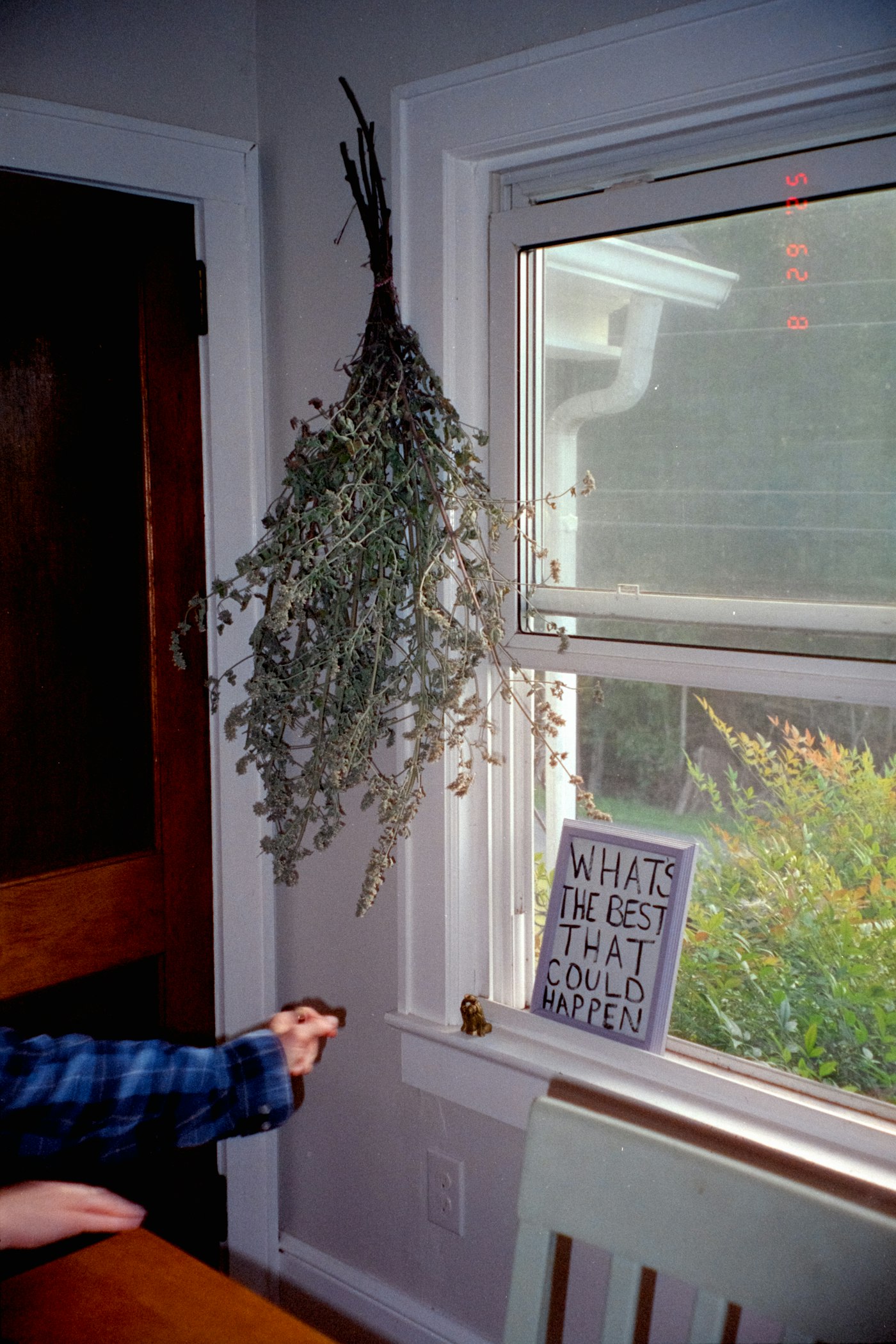
Mullein's large velvety leaves seem almost designed to be touched. Its history in folk respiratory remedies often travels faster than the evidence supporting those claims.
The Plant Behind the Reputation
Verbascum species are found in many places, and species identification matters. Laboratory studies are not the same thing as clinical proof that a tea or smoke treats lung disease.
A botanical garden, a regional field guide and a notebook can teach plenty without harvesting or consuming plants. Look for details such as leaf arrangement, season, habitat, and which parts identify the species.
Learn It Without Guesswork
- Observe mullein on a guided plant walk and make a drawing of its first-year rosette and taller flowering stage.
- Check local invasive-plant guidance before encouraging it to spread.
Compare the plant's traditional descriptions with modern clinical evidence. Make a list of unanswered questions rather than assuming historical longevity proves effectiveness.
Compare two sources—one traditional herbal text and one modern evidence summary. Notice where their claims agree, diverge or describe different products entirely.
What to Keep in Mind
Do not smoke mullein as a medical treatment or inhale plant dust. Respiratory symptoms can have serious causes that need professional evaluation.
Wild plants can be misidentified, contaminated, toxic or protected. Do not ingest unknown plants or use homemade preparations to treat illness. Herbal products can interact with medications or cause allergies; ask a qualified clinician or pharmacist about medicinal use.