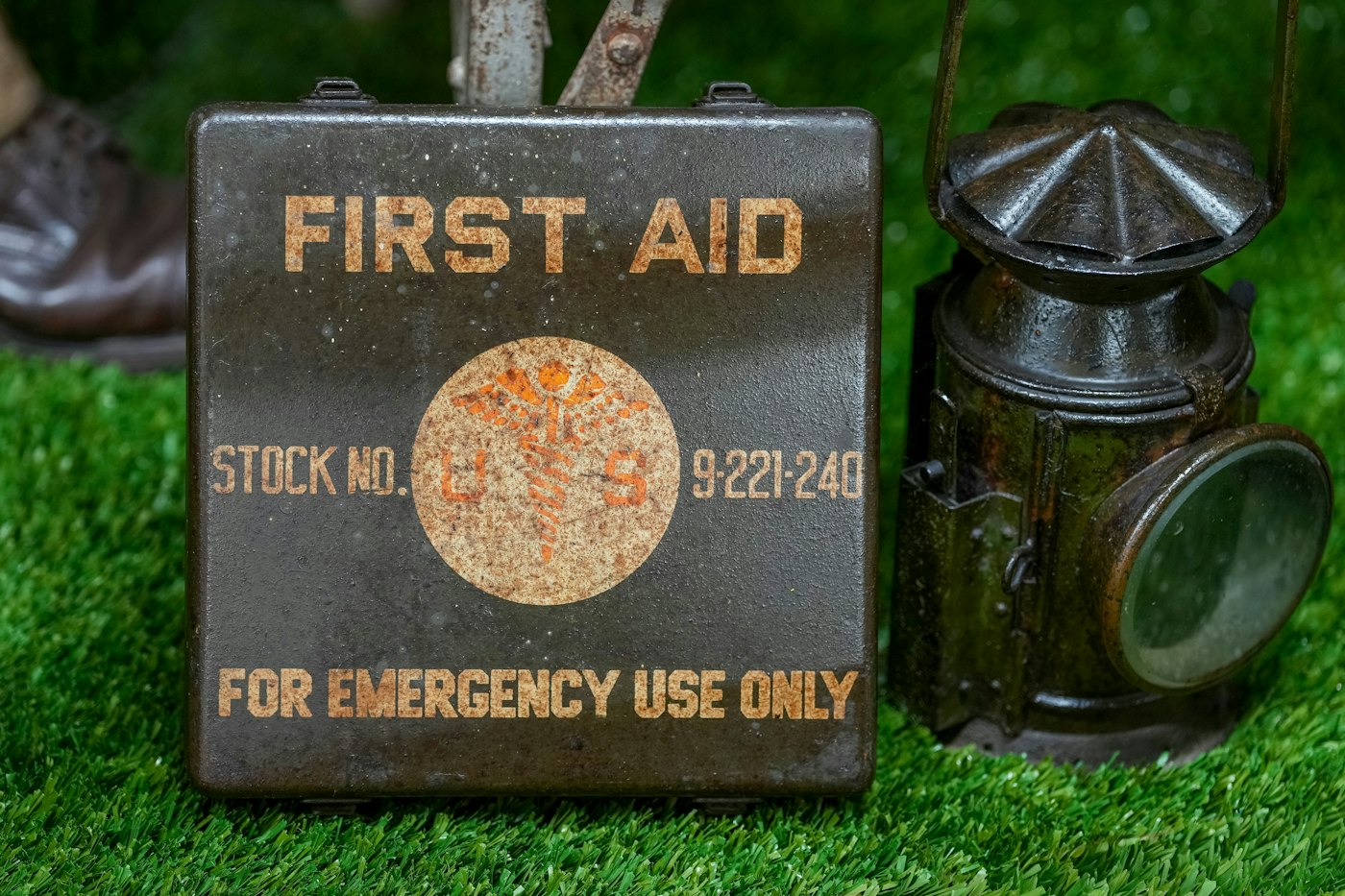
Someone at a gathering may become anxious, confused or overwhelmed. Often the most helpful first response is calm attention rather than dramatic intervention.
Looking Beneath the Surface
Supportive listening, a low-stimulation space and clear emergency procedures can help protect a person's dignity. Not every situation is safe for untrained volunteers to manage.
A curious community should be able to talk about risks without shame and possibilities without exaggerated promises. Clear information, informed choice and the right to opt out are central to that approach.
A respectful discussion can make room for people who choose not to use substances or intense practices at all. Their participation is not less authentic. A community is stronger when nobody must take a risk to belong.
A Small Experiment
Event organizers can assign sober, informed helpers who know where water, seating and emergency contacts are located. Ask the distressed person what they need, speak simply and respect their space when safe to do so.
After trying the practice, compare what you expected with what actually happened. A small change in attention can be interesting even when there is no obvious benefit to measure.
What to Keep in Mind
Call emergency services for trouble breathing, seizures, serious injury, extreme agitation, altered consciousness or other urgent symptoms. Never restrain someone casually or promise secrecy when safety is at risk.