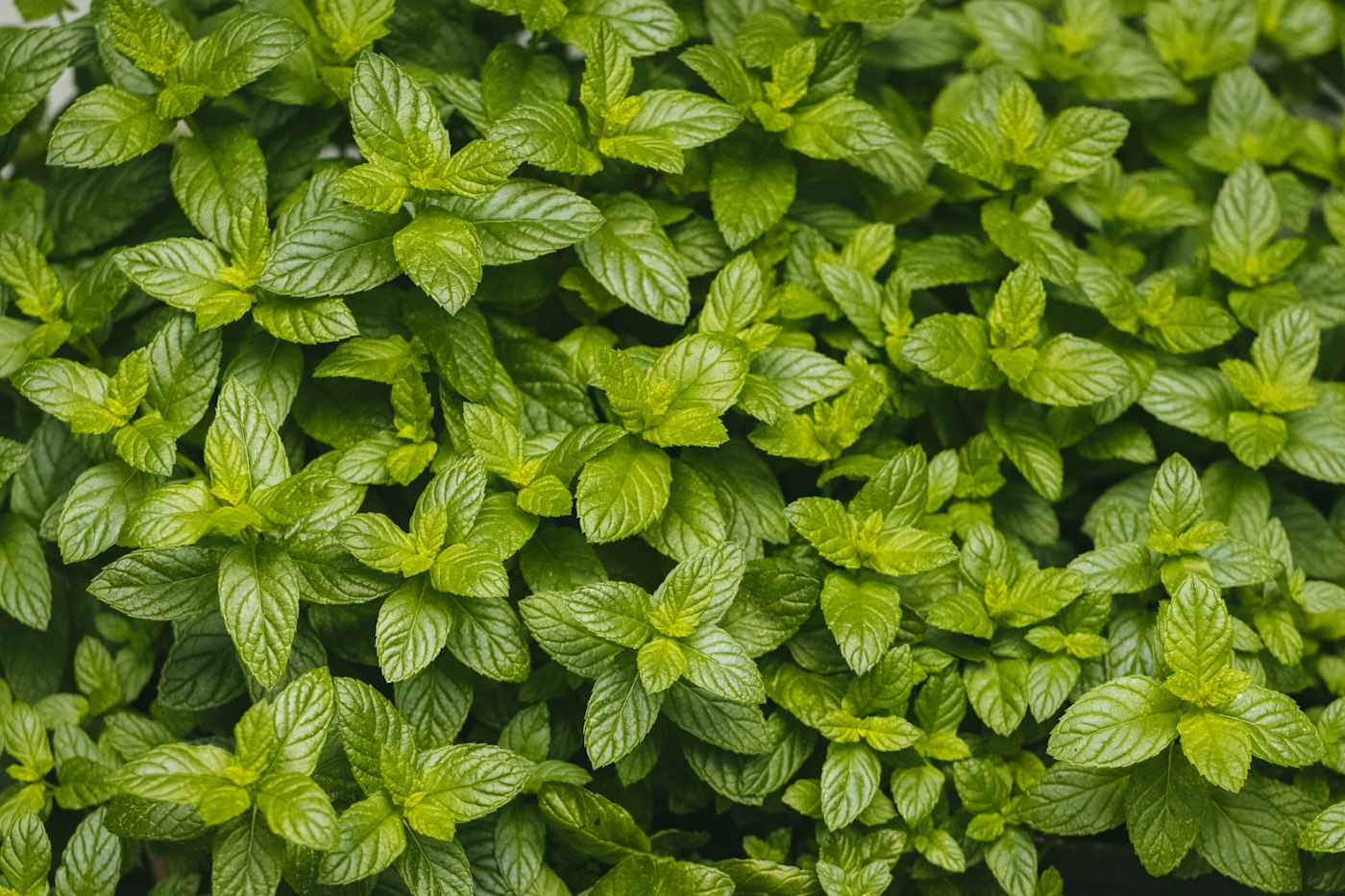
The bright smell of peppermint can make a tiny herb garden feel alive. Mint is also a good example of how plant chemistry changes depending on preparation.
The Plant Behind the Reputation
Peppermint leaves, teas and concentrated essential oils are not interchangeable. Enteric-coated peppermint oil has been studied for some digestive symptoms, while strong oils carry additional risks.
Herbal knowledge begins with the correct species name. Common names can refer to unrelated plants, and a plant’s roots, leaves and flowers may contain different chemicals. Accurate identification comes before any discussion of traditional uses.
Learn It Without Guesswork
- Grow an identified culinary peppermint plant in a container so the roots do not spread everywhere.
- Rub one intact leaf gently between fingers, notice its aroma and compare fresh and dried food-grade mint in a simple kitchen tea.
Read labels on tea, candy and peppermint-oil products. Ask which actually contains the leaf, which contains flavoring and which is a concentrated supplement.
Photograph the plant on three different days. Observe new growth, flowers, pollinators or changing leaves without collecting specimens.
What to Keep in Mind
Mint can aggravate reflux in some people. Do not give essential oils internally to children or apply undiluted oil to skin; discuss supplements with a clinician if you use medication.
Wild plants can be misidentified, contaminated, toxic or protected. Do not ingest unknown plants or use homemade preparations to treat illness. Herbal products can interact with medications or cause allergies; ask a qualified clinician or pharmacist about medicinal use.