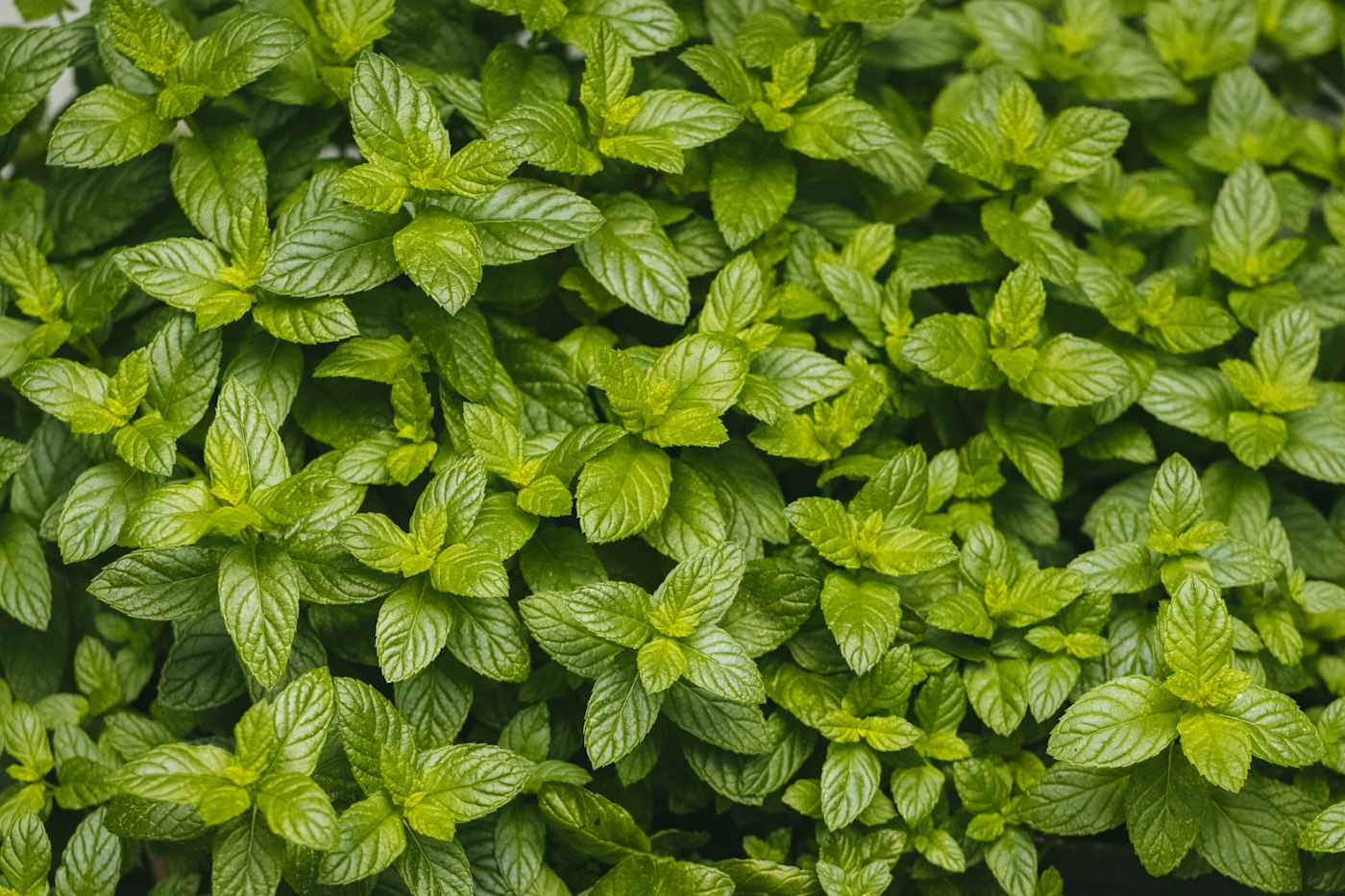
Peppermint is associated with easy digestion, but its cool flavor can be misleading for people prone to reflux.
What the Remedy Can and Cannot Tell Us
Peppermint oil preparations have been studied in certain gastrointestinal conditions, while simple tea has a different concentration and evidence base. The effects and cautions are not identical.
The word remedy is used for everything from a comforting drink to a concentrated supplement. These are not equivalent. The same herb can be present in very different forms, with different strengths and safety questions.
A Grounded At-Home Approach
- For a food-style ritual, prepare a labeled peppermint-leaf tea using package guidance and sip slowly after a meal if it agrees with you.
- Observe your own comfort instead of treating one cup as a medical trial.
Compare labels: peppermint leaf, flavoring and enteric-coated peppermint capsules are different products. Keep any symptom log factual and share it with a clinician when relevant.
Keep an herb-and-supplement list that includes the brand, ingredients and reason for use. Bringing it to a health appointment may be more valuable than adding another product.
What to Keep in Mind
Peppermint can worsen heartburn; concentrated oil may cause irritation and drug interactions. Children should not be given essential oils internally.
Herbal products can cause adverse reactions and interact with medicines. Do not abandon prescribed care or use herbs to treat emergencies. Some groups—including infants, pregnant people, and people with chronic illness—need special care. Contact Poison Help at 1-800-222-1222 after suspected exposures in the United States.