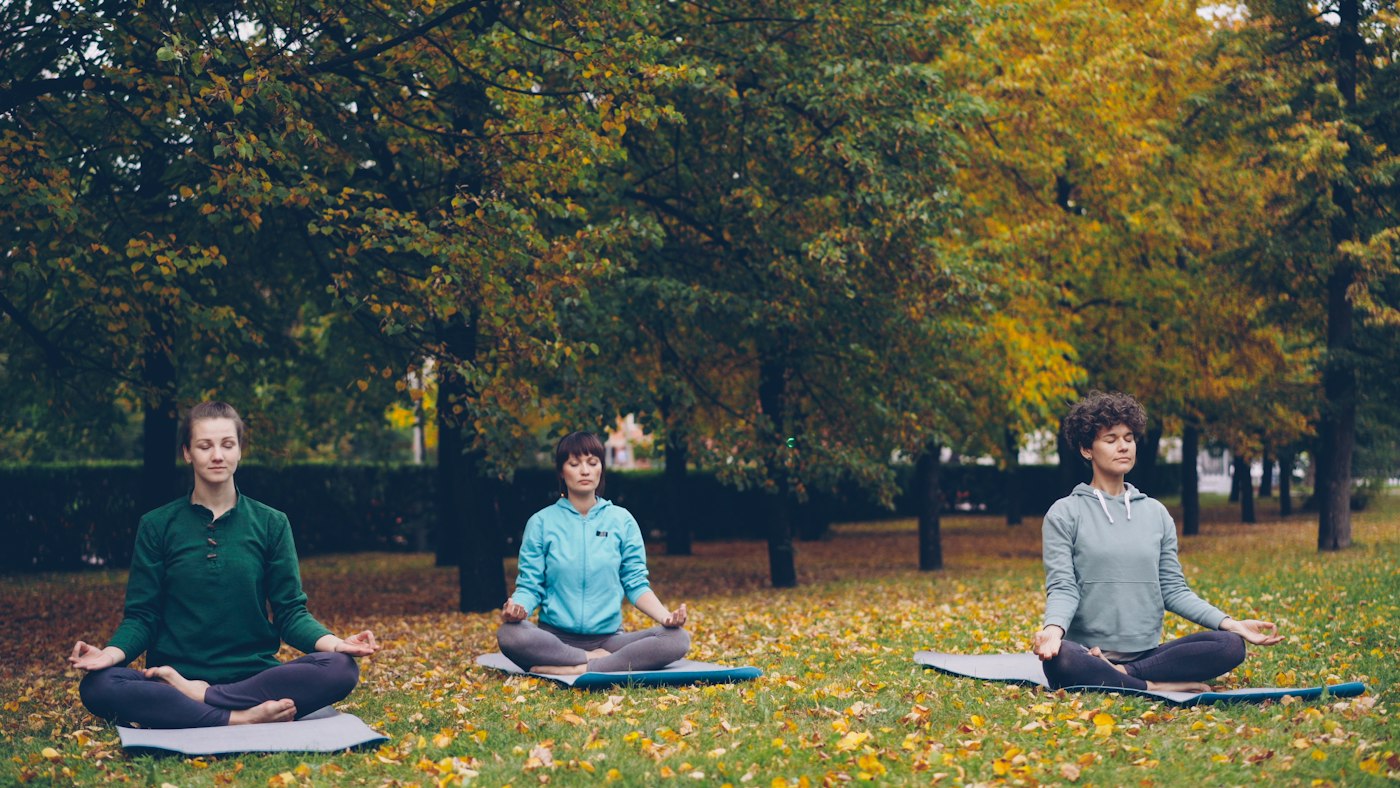
Sometimes we carry tension without realizing it. Tight hands, raised shoulders and a clenched jaw can become the background of the day.
Looking Beneath the Surface
Progressive muscle relaxation alternates gentle tension and release to sharpen awareness of the contrast. It is a well-established relaxation technique used in many settings.
Physical awareness is a practical skill during creative work, outdoor events and everyday responsibilities. It can help someone notice when they need a pause, a change of position or a more comfortable environment.
Another way to approach the practice is to compare two comfortable contexts: after a short walk and after sitting quietly, or indoors and outside. You are not searching for a better score; you are learning how variable bodily sensations can be.
A Small Experiment
Starting with your hands, gently tense a muscle group for a few seconds and release it. Move through shoulders, face and legs without straining. Compare the feeling before and after. You can also skip tensing and simply notice each area.
Before moving on, make a note of what felt surprising, what was harder than expected and whether you would like to repeat the experiment. The answer can be no. Curiosity does not create an obligation.
What to Keep in Mind
Avoid tensing painful, injured or recently operated areas. Relaxation should not create pain, numbness or panic.