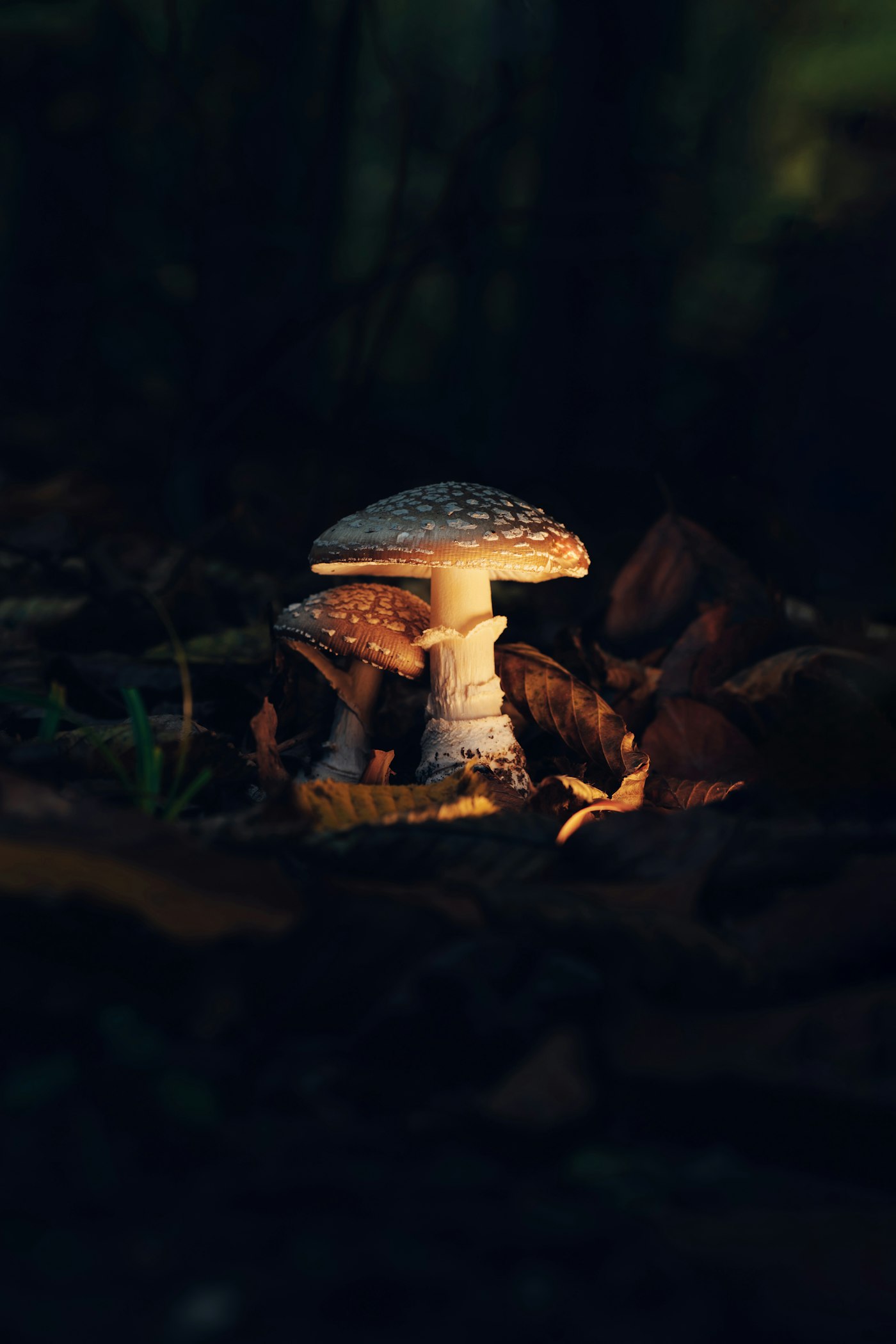
A mushroom compound helping scientists rethink mental health: a few decades ago, that sentence would have surprised many people. Today, psilocybin research is an active field with carefully designed trials, measurable outcomes and more questions worth investigating. The findings are genuinely encouraging, especially for people who have had limited success with existing treatments.
A Major Shift in Depression Research
A 2023 randomized clinical trial involving 104 adults with major depressive disorder found that psilocybin combined with psychological support produced larger improvements in depression scores than an active placebo, with differences observed over six weeks. A 2022 study in treatment-resistant depression also reported improved symptoms at three weeks in the higher-dose study group. Researchers continue to examine how durable the effect is and which patients are most likely to benefit.
The field has moved beyond single small demonstrations. A 2026 randomized trial delivered psilocybin-assisted therapy within a public healthcare research setting and reported encouraging results, supporting future confirmatory testing. These are reasons for hope, not a claim that a new universal cure has arrived.
What About Addiction and Habit Change?
One of the most intriguing recent findings comes from smoking cessation. In a 2026 pilot trial involving 82 adults, researchers compared psilocybin with a nicotine patch; both groups received cognitive behavioral therapy. At six months, 40.5% of the psilocybin group had achieved biochemically verified prolonged abstinence, compared with 10% of the patch group. Because it was a relatively small and unblinded study, replication is essential. But it opens an extraordinary question: might a temporary shift in perception help some people change patterns that have felt immovable?
Personal Meaning Is Part of the Story
Controlled laboratory research has documented experiences that participants later described as among the most personally meaningful of their lives. For some people, a change in perspective may be part of what makes a therapeutic experience memorable. Scientists are still studying how those experiences relate to clinical outcomes.
Long before modern research, mushroom traditions were maintained by Indigenous communities including the Mazatec. A 2022 anthropological study urges modern medicine to recognize cultural context and avoid treating the molecule as the entire story.
A Research Activity for Curious Minds
Compare the depression and smoking studies. Note their different goals, sample sizes and follow-up periods. Then ask what both suggest about mood, habits and support. Encourage participants to describe possibilities without promising anyone a particular result.
A Note on Safety
Trial results come from screened, monitored participants using standardized compounds and clinical support. Psilocybin is not appropriate for everyone and is not a reason to stop prescribed medication or self-treat a mental health condition.
Sources and further reading
- Raison et al., JAMA 2023: randomized psilocybin and depression study
- Goodwin et al., NEJM 2022: psilocybin in treatment-resistant depression
- Nature Medicine, 2026: trial of psilocybin-assisted therapy in a public health setting
- Johnson et al., JAMA Network Open 2026: psilocybin-assisted smoking cessation pilot trial
- Griffiths et al., 2006: enduring personal meaning after psilocybin
- González-Mariscal et al., 2022: traditional Mazatec medicine
- NCCIH: psilocybin mental health research and safety