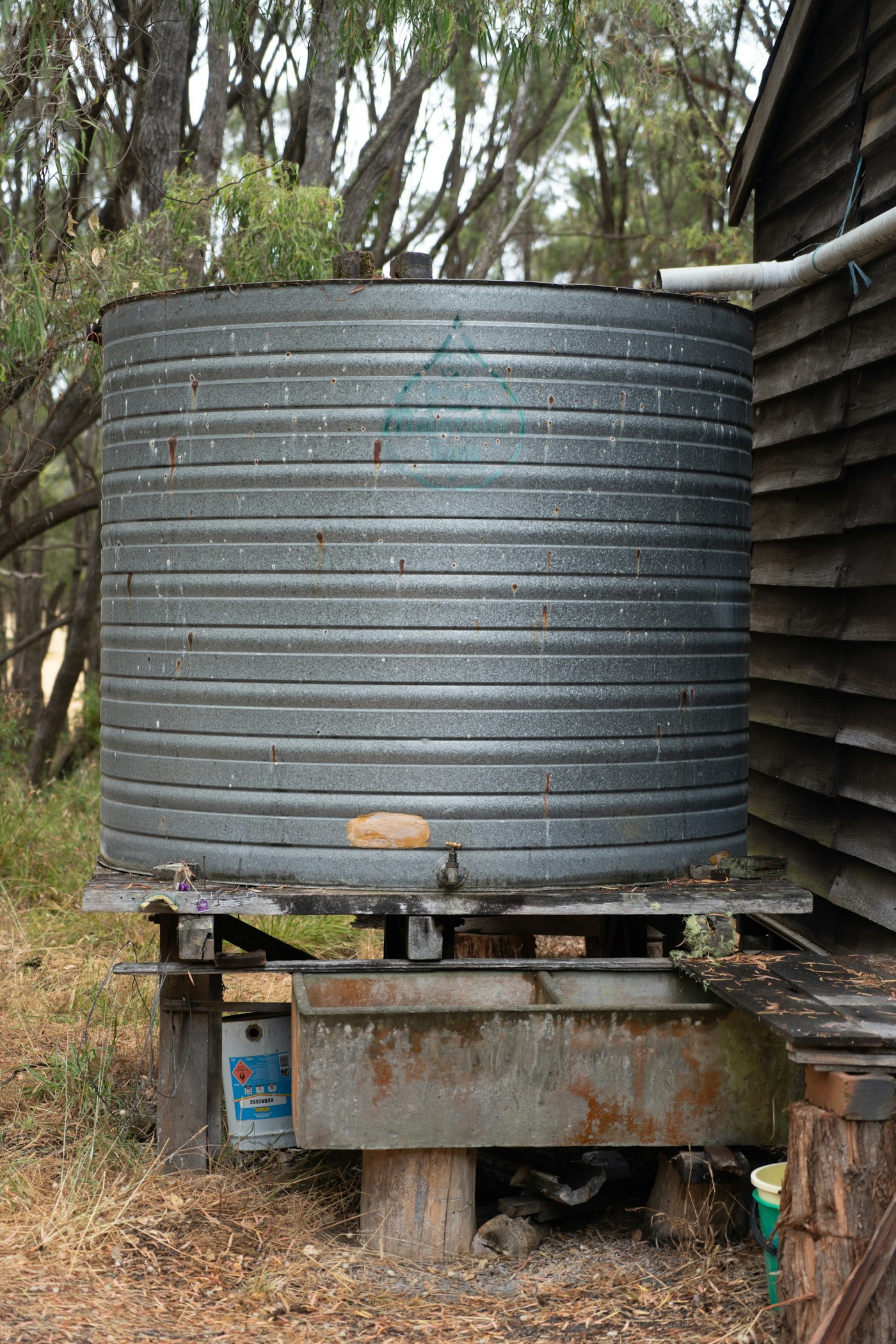
A roof and a gutter make rainwater collection look simple. In practice, a useful system starts with what the water will be used for and how it will be kept clean.
Looking Beneath the Surface
Collection potential depends on rainfall, roof area and losses. Storage also brings concerns about mosquitoes, debris, freezing, overflow and water quality. Water used for drinking needs appropriate treatment and testing.
Alternative living is not one prescribed lifestyle. Some people want fewer possessions, some value repair skills, and others are learning to grow, conserve or share resources. Small experiments can be useful long before a radical life change.
Before buying equipment, try explaining the project in plain language to another person. If you cannot describe how it works or what could go wrong, research those pieces first. Good preparation can be cheaper than a hurried repair.
A Small Experiment
Sketch a small system on paper: catchment surface, gutter, screen, sealed container, overflow and intended use. Research local rules and estimate rainfall from trustworthy climate records before buying equipment.
It can help to write down one detail while it is fresh. You are collecting observations, not constructing a dramatic personal transformation story for other people to admire.
What to Keep in Mind
Do not assume roof runoff is safe to drink, and do not connect untreated storage to household plumbing. Follow local codes and use qualified advice for potable systems.