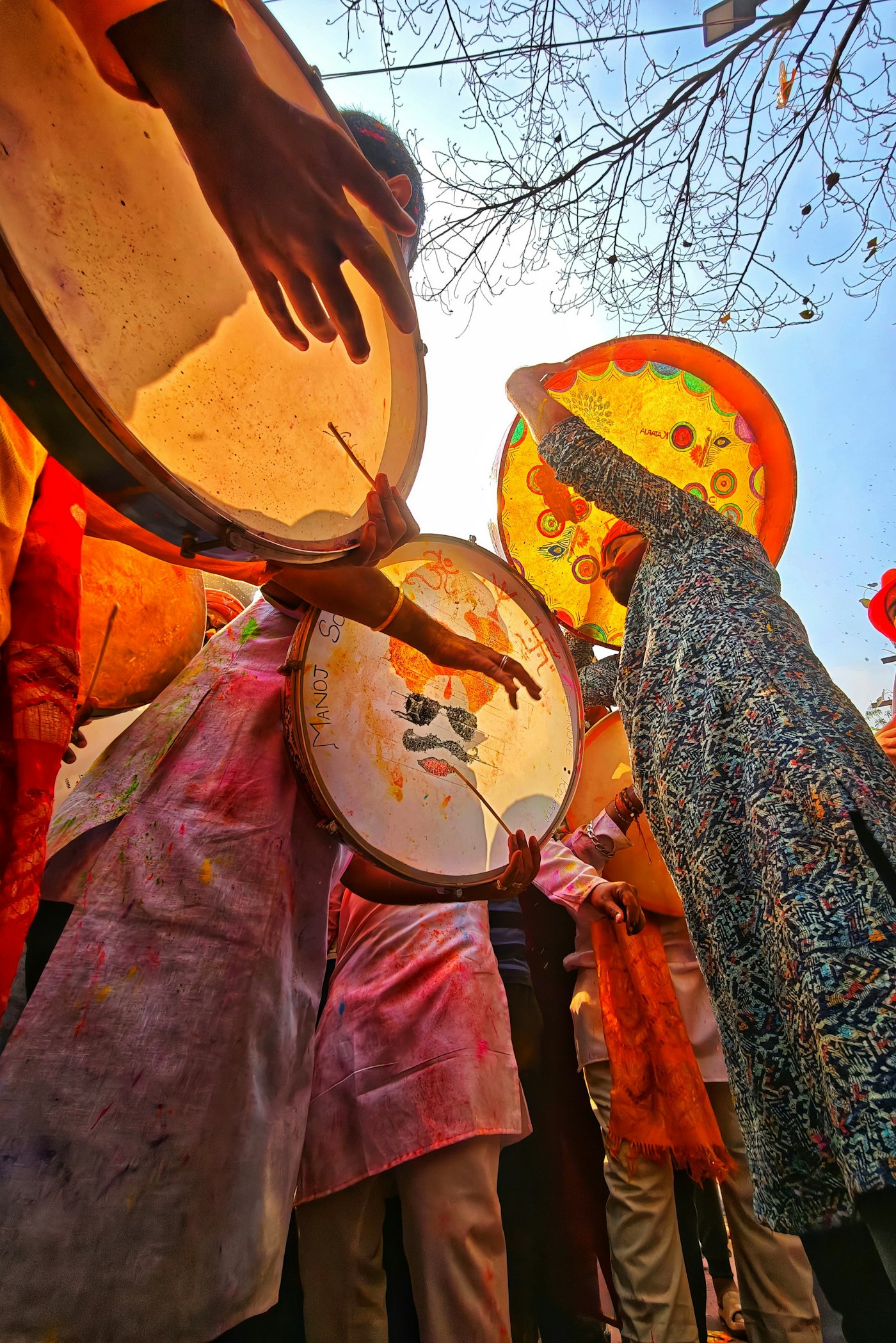
Repetitive rhythm can feel absorbing, and people sometimes describe a sense of altered time or intense connection. That does not mean a certain number of beats is a guaranteed portal.
Understanding the Rhythm
Music affects attention, emotion and social coordination, while research into specific trance claims is complex and varies by setting and expectation. The meaningful question is what a participant actually experiences.
Some drumming practices are rooted in specific cultures and ceremonies. A welcoming community can create original learning exercises while crediting musical influences and avoiding the casual imitation of protected or sacred traditions.
Try the Rhythm
- Set up two short listening sessions with the same soft drum pattern: one with eyes open and one while noticing the sounds around you.
- Write down any difference in time perception or attention without judging it.
Compare your notes with others as subjective reports. The group may discover that context, comfort and familiarity matter as much as tempo.
If a pattern becomes difficult, slow down and remove one element. A rhythm you can play comfortably with others is more useful in a circle than a complicated figure that leaves everyone behind.
What to Keep in Mind
Avoid sleep deprivation, prolonged loud exposure and attempts to force unusual experiences. Be respectful of the distinct cultural traditions that use drums ceremonially.
Repetitive percussion can be physically or emotionally intense. Keep volumes reasonable, take breaks, protect hearing when needed, and respect cultural contexts. Claims that one beat reliably heals a disease or induces a precise brain state are not established.