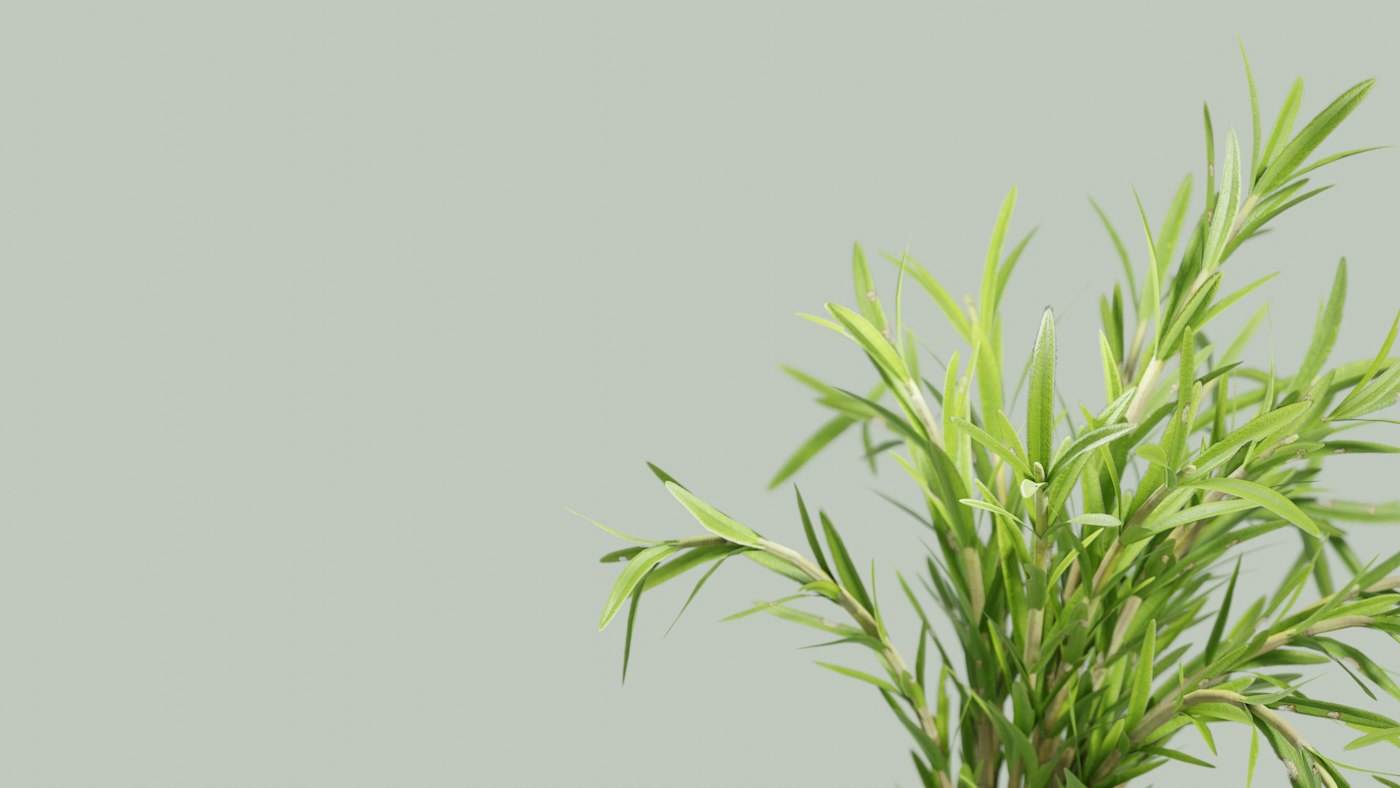
Rosemary is often described as a memory plant, partly because of folklore and partly because its strong scent is difficult to ignore.
The Plant Behind the Reputation
The culinary herb contains aromatic compounds, but that does not prove claims that eating or inhaling it can treat memory disorders. Rosemary also offers a rewarding example of drought-tolerant garden design.
Herbal knowledge begins with the correct species name. Common names can refer to unrelated plants, and a plant’s roots, leaves and flowers may contain different chemicals. Accurate identification comes before any discussion of traditional uses.
Learn It Without Guesswork
- Plant a labeled rosemary cultivar in a sunny, well-drained container.
- Observe the narrow leaves and scent through the season, and use ordinary food quantities to season vegetables or bread.
Create a simple botanical card noting its scientific name, habitat preferences and one credible source about its culinary and historical uses.
Read the label of a commercial product that names the plant. Check which species, plant part and preparation it uses instead of assuming the product represents the whole botanical tradition.
What to Keep in Mind
Essential oil is much more concentrated than cooking with leaves and can be toxic if swallowed. Do not replace dementia evaluation or medicines with herbal claims.
Wild plants can be misidentified, contaminated, toxic or protected. Do not ingest unknown plants or use homemade preparations to treat illness. Herbal products can interact with medications or cause allergies; ask a qualified clinician or pharmacist about medicinal use.