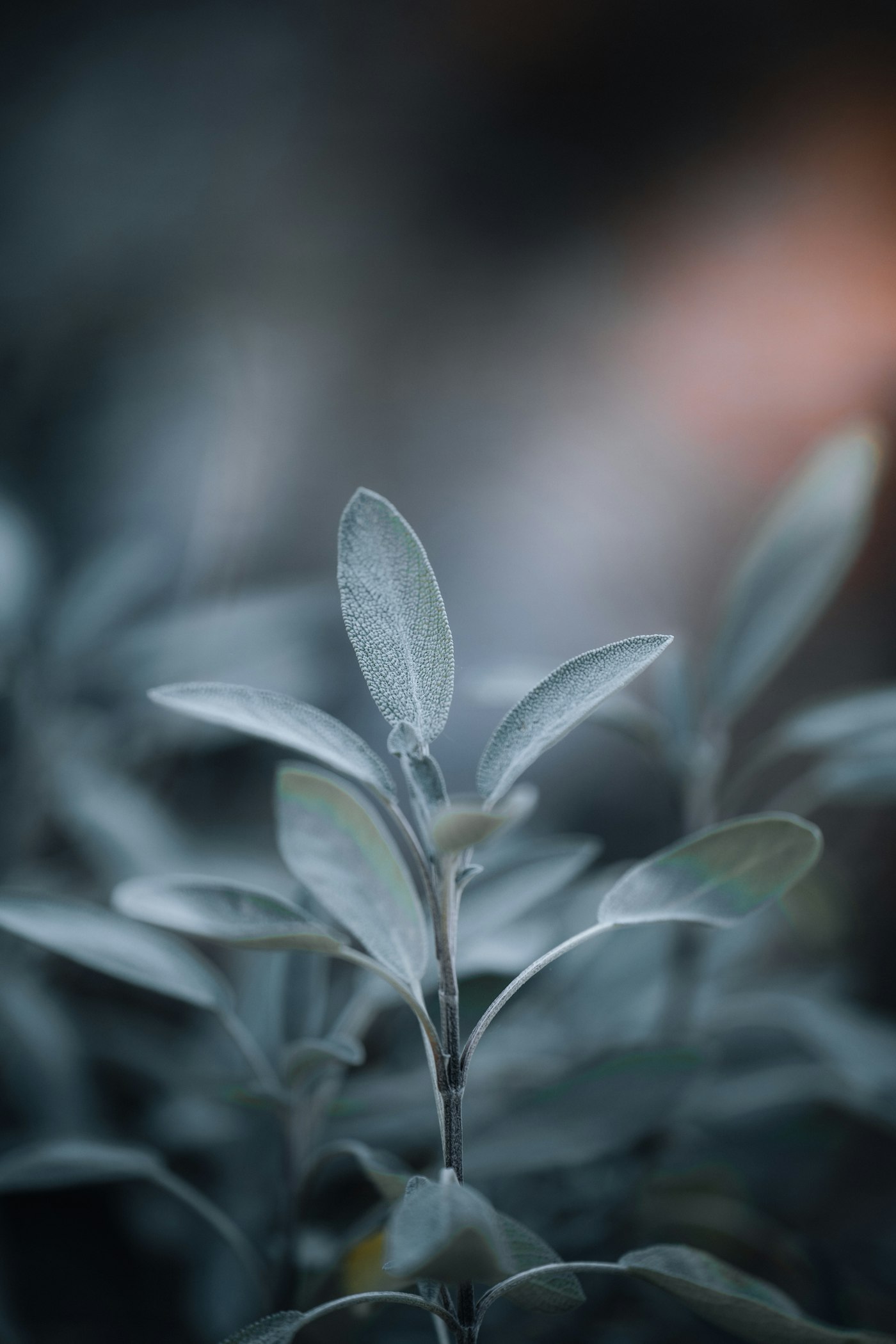
Sage can mean the familiar culinary herb, a different aromatic desert plant or a word borrowed from spiritual traditions. Those differences matter.
The Plant Behind the Reputation
Salvia officinalis is a culinary plant; other sages belong to different genera and have distinct cultural uses. Research into specific sage extracts is limited and not a basis for broad health promises.
Growing a plant can create a personal connection without using it as medicine. Pollinators, water requirements and soil health often become the most rewarding parts of the lesson.
Learn It Without Guesswork
- Check the full botanical name when buying a sage plant.
- Grow a kitchen sage in a suitable pot and study its leaf texture, flower shape and aroma.
- Make a simple illustrated ID card.
Read about Indigenous plant traditions from Indigenous-led sources rather than assuming every smudging trend represents a universal practice.
Photograph the plant on three different days. Observe new growth, flowers, pollinators or changing leaves without collecting specimens.
What to Keep in Mind
Concentrated sage oils can contain hazardous compounds and should not be swallowed casually. Avoid smoke exposure around people with respiratory sensitivities.
Wild plants can be misidentified, contaminated, toxic or protected. Do not ingest unknown plants or use homemade preparations to treat illness. Herbal products can interact with medications or cause allergies; ask a qualified clinician or pharmacist about medicinal use.