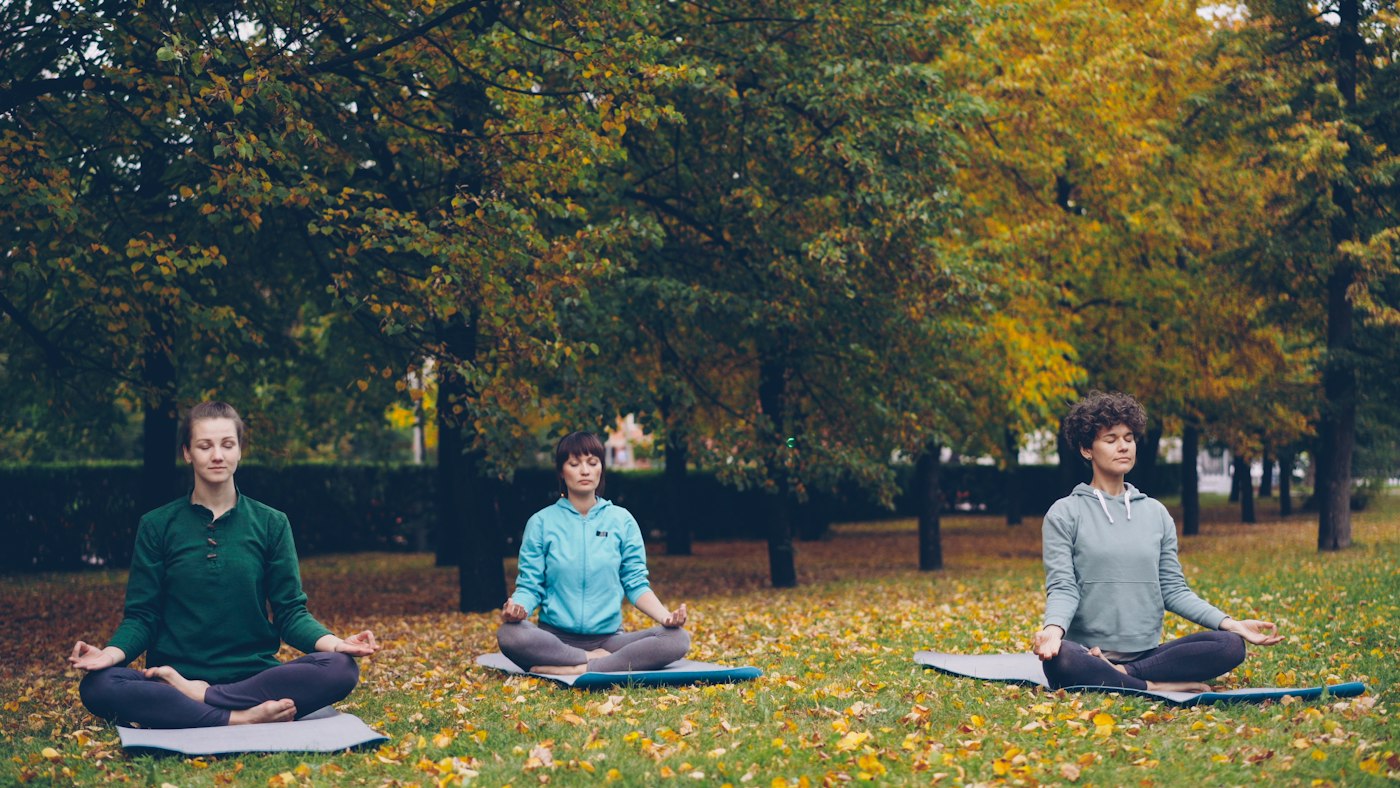
Your body already changes its breathing throughout the day. A spontaneous sigh or yawn can be a reminder to check your posture and fatigue.
The Body Before the Technique
Sighs play physiological roles, but online claims about precisely engineered sigh sequences can outpace research. This exercise focuses on noticing ordinary signals rather than reproducing a special pattern.
Breathing can be an attention anchor, but focusing on it is not comfortable for everyone. Visual, tactile or listening exercises can give people the same permission to pause.
Try a Gentle Exercise
- The next time you catch yourself sighing, pause and ask what was happening: reading, concentrating, working or feeling stressed?
- Relax your jaw, move your shoulders and return to comfortable breathing.
Keep a small log for several days without judging the frequency. Sometimes the useful discovery is that you need a break rather than another breathing drill.
When teaching others, explain what to do and when to stop in one sentence each. Avoid making participants prove endurance or disclose personal medical details.
What to Keep in Mind
Frequent unexplained shortness of breath, dizziness or abnormal breathing warrants medical evaluation. Do not repeatedly force large inhalations to chase a feeling.
Stop if you feel dizzy, faint, tingling, chest discomfort or unusual breathlessness. Avoid forced hyperventilation and breath-hold challenges, especially around water, heights or driving. Seek prompt medical help for severe or unexplained symptoms.