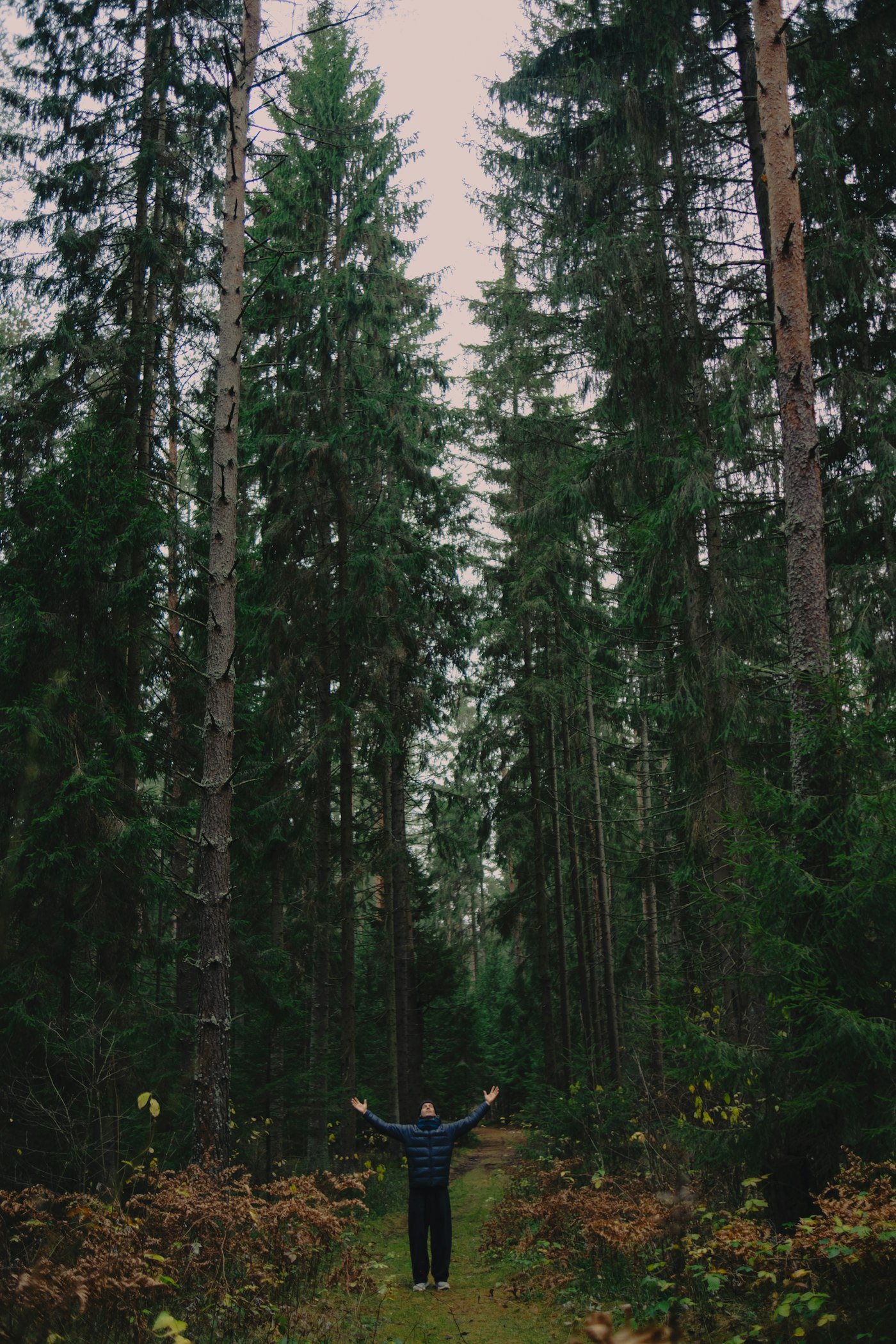
Being alone is not the same as feeling abandoned. Solitude can provide room to notice what you think and enjoy when nobody else is directing the moment.
Looking Beneath the Surface
Researchers distinguish social isolation from chosen time alone. The context matters: time by yourself can be restorative, while unwanted loneliness deserves connection and care.
Every mind comes to an exercise with a different history and a different day behind it. A useful practice leaves room for those differences. What matters is whether it helps you notice something real, not whether your experience matches someone else’s.
You can also try this in a place that normally feels too ordinary to merit attention: the path to your mailbox, a waiting room or a kitchen window. Familiar places are especially revealing because expectations usually do most of the looking for us.
A Small Experiment
Plan one short solo hour around an activity you like, such as sketching outdoors or reading. Tell someone where you will be if safety requires it. Afterward, note whether you feel refreshed, restless or ready for company.
Give yourself permission to modify the activity. A practice that fits a real life, with all its demands and interruptions, is more valuable than a perfect method that never gets used.
What to Keep in Mind
Solitude is not a replacement for supportive relationships. If it deepens loneliness, reach toward people rather than forcing yourself to endure it.