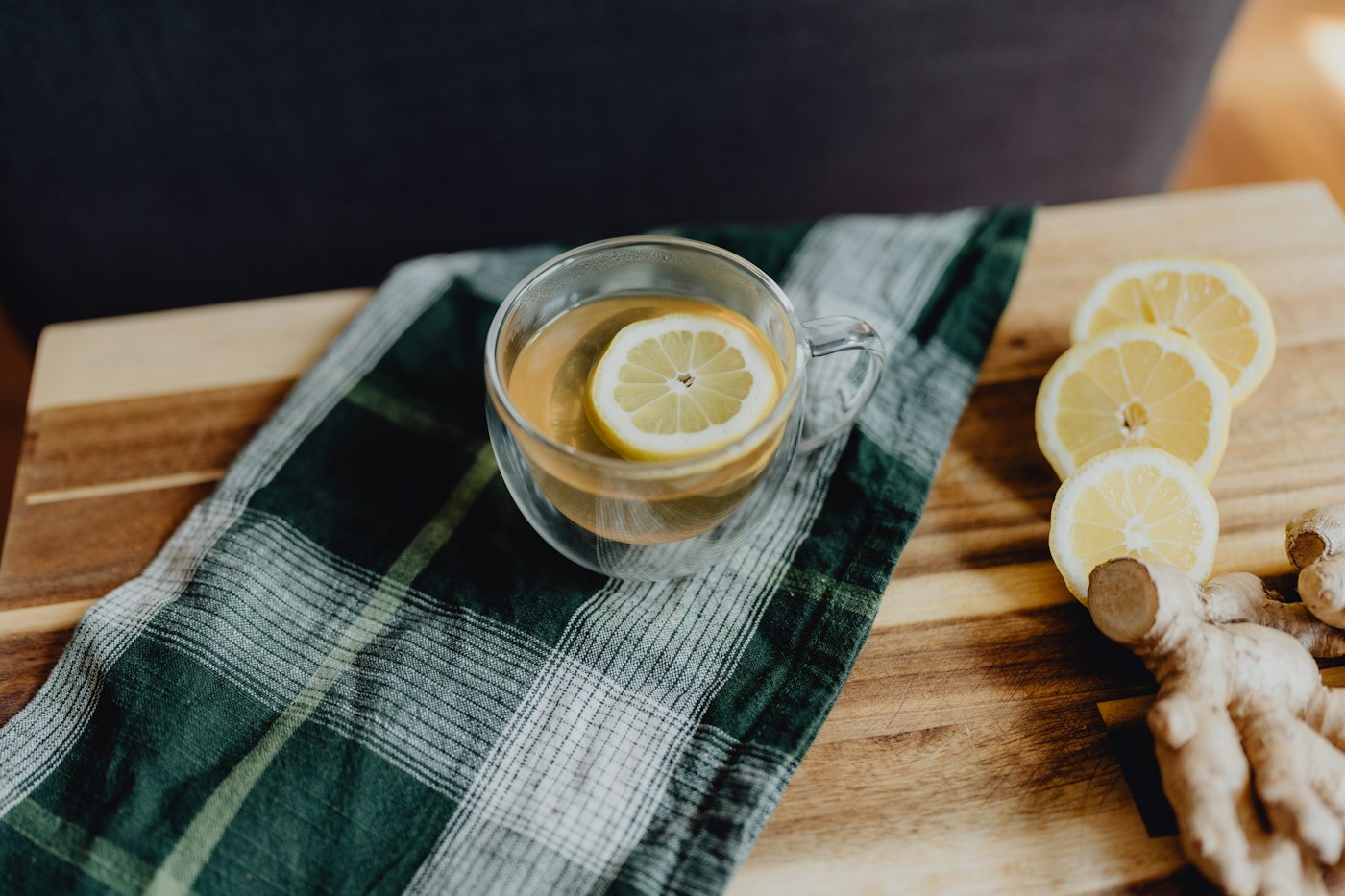
Tea can become another rushed task or a small pause with texture, scent and warmth. The practice is not about an exotic blend but full attention to an ordinary act.
A Practice, Not a Performance
Mindful eating and drinking exercises highlight how often the mind moves ahead of the senses. A simple cup gives you several sensory anchors without requiring silent sitting.
The habit of returning is more important than a perfect session. Noticing distraction is already a form of awareness. It is reasonable to try different anchors such as a visible object, sounds, body contact, or natural breathing without treating any one route as sacred or superior.
Try a Short Practice
- Make a familiar caffeine-free beverage.
- Notice the weight of the cup, the steam, the smell and the temperature before the first sip.
- Drink slowly for three minutes without looking at your phone.
Repeat with water and see whether the same care is possible without a special ingredient. You can invite others to share their observations without prescribing a spiritual interpretation.
Keep the activity brief for a week instead of lengthening it immediately. Compare how easy it is to begin and whether you remember the skill when life becomes busy.
What to Keep in Mind
Check temperature to avoid burns. Avoid herbs that may interact with medicines, pregnancy or allergies, and do not turn a tea practice into medical treatment.
Mindfulness and meditation are usually low risk but are not entirely risk-free. People can experience anxiety or other distress; change techniques or get support rather than pushing through. These practices are not substitutes for needed medical or mental health care.