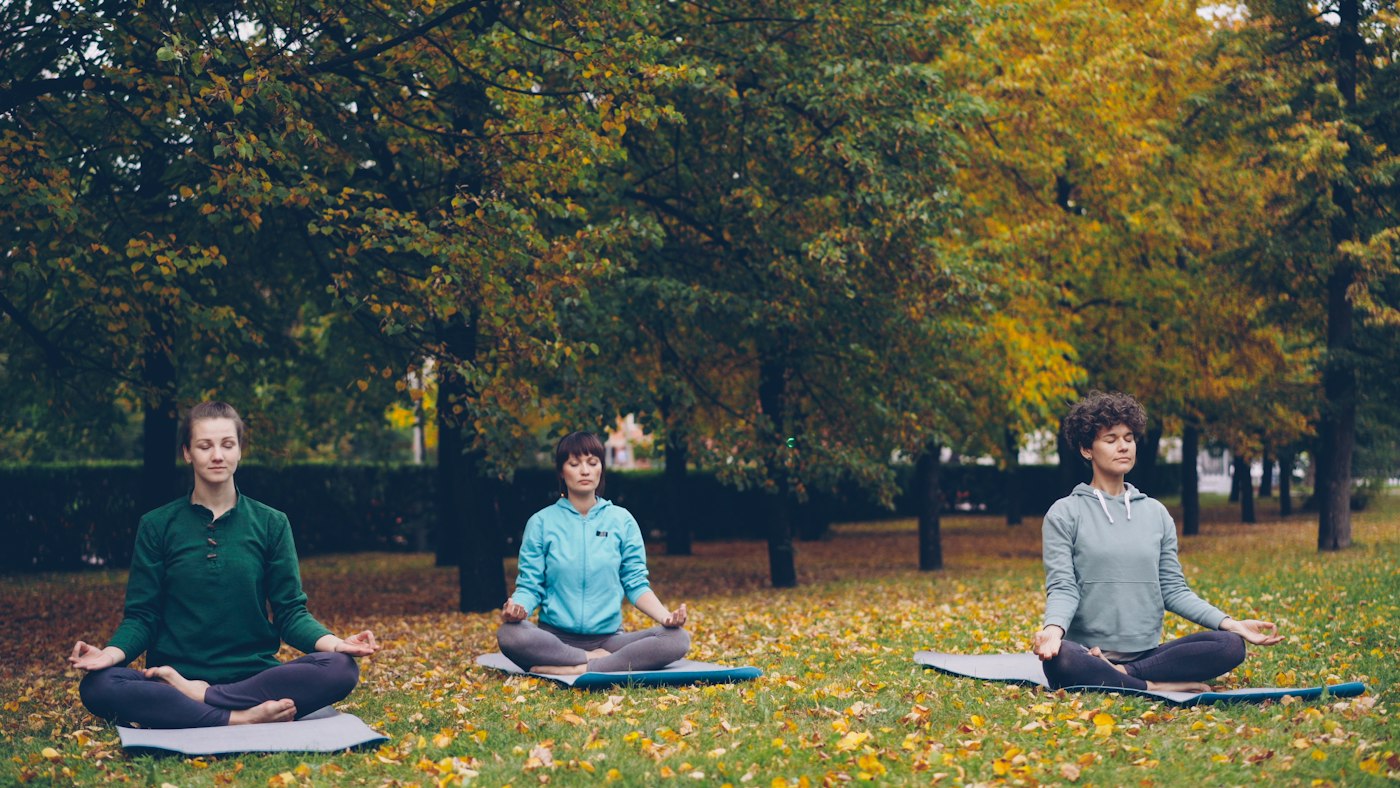
When you feel rushed, the impulse is often to take huge breaths. A gentler option is simply to make your out-breath a little longer than your in-breath.
The Body Before the Technique
A slow, comfortable rhythm can draw attention away from spiraling thoughts. It is a relaxation exercise, not a promise to cure anxiety or control the nervous system on command.
Breathing changes naturally with activity, sleep, temperature and emotion. A comfortable exercise helps people notice those changes instead of trying to override the body with a strict formula.
Try a Gentle Exercise
- Sit comfortably and let breathing settle.
- If it feels easy, inhale through the nose for a loose count of four and exhale for six; repeat for one minute.
- Shorten either count until there is no air hunger.
Try it before a phone call or as an optional quiet activity at a gathering. Notice whether your shoulders soften or whether normal breathing actually feels better.
Start with a natural baseline. Ask whether the exercise is easier than your ordinary breathing or whether you are straining to satisfy the instructions; comfort is useful feedback.
What to Keep in Mind
Do not force your lungs, hold your breath or continue if dizzy. People with respiratory or cardiac illness should ask their clinician before structured breathing practice.
Stop if you feel dizzy, faint, tingling, chest discomfort or unusual breathlessness. Avoid forced hyperventilation and breath-hold challenges, especially around water, heights or driving. Seek prompt medical help for severe or unexplained symptoms.