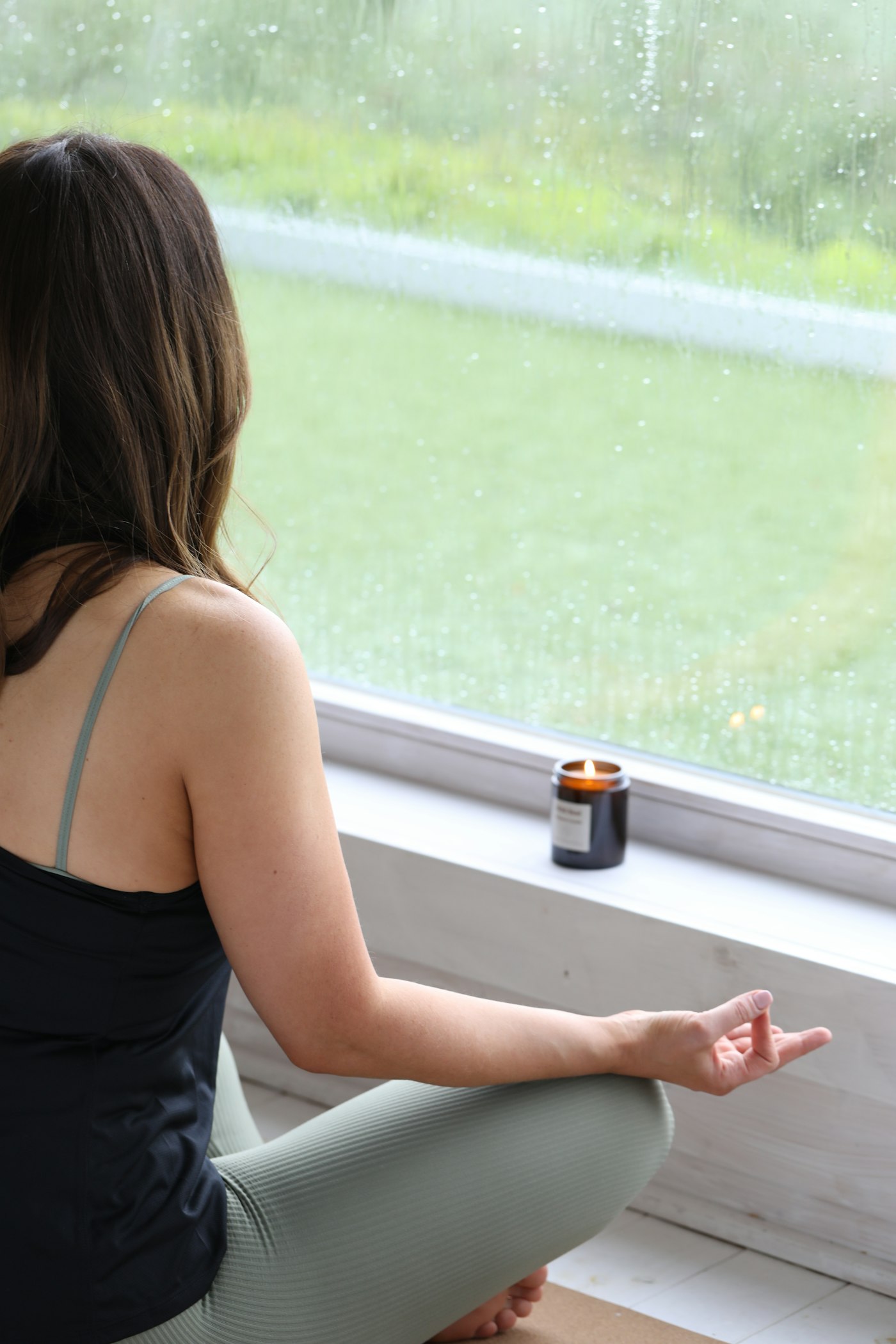
A small flame can seem endlessly different when you watch it closely. Trataka is a traditional yogic concentration practice often associated with a candle or visual point.
A Practice, Not a Performance
The exercise uses a visible object rather than internal imagery. Attention slips are expected; the aim is a patient return, not staring until your eyes hurt.
Short practices are easier to adapt to everyday life. Research into mindfulness suggests potential benefits for stress and other outcomes, but studies differ in quality and results are not guarantees. A comfortable posture and the freedom to stop are part of doing the practice responsibly.
Try a Short Practice
- Set a candle on a stable fireproof surface at a comfortable distance or use a small battery light.
- Look softly for about one minute, blink naturally, then close your eyes briefly and notice any afterimage without pursuing it.
Try the practice once in a dim but safe space and once in daylight with a non-flame object such as a stone. Ask which felt easier to engage with.
After trying it, jot down the one moment that surprised you: a thought, a sound, a body sensation or the wish to stop. This small observation is more informative than scoring whether you achieved calm.
What to Keep in Mind
Never leave flame unattended or hold your eyes open painfully. People with photosensitivity, eye problems or seizure risk should choose a steady nonflickering object and seek appropriate advice.
Mindfulness and meditation are usually low risk but are not entirely risk-free. People can experience anxiety or other distress; change techniques or get support rather than pushing through. These practices are not substitutes for needed medical or mental health care.