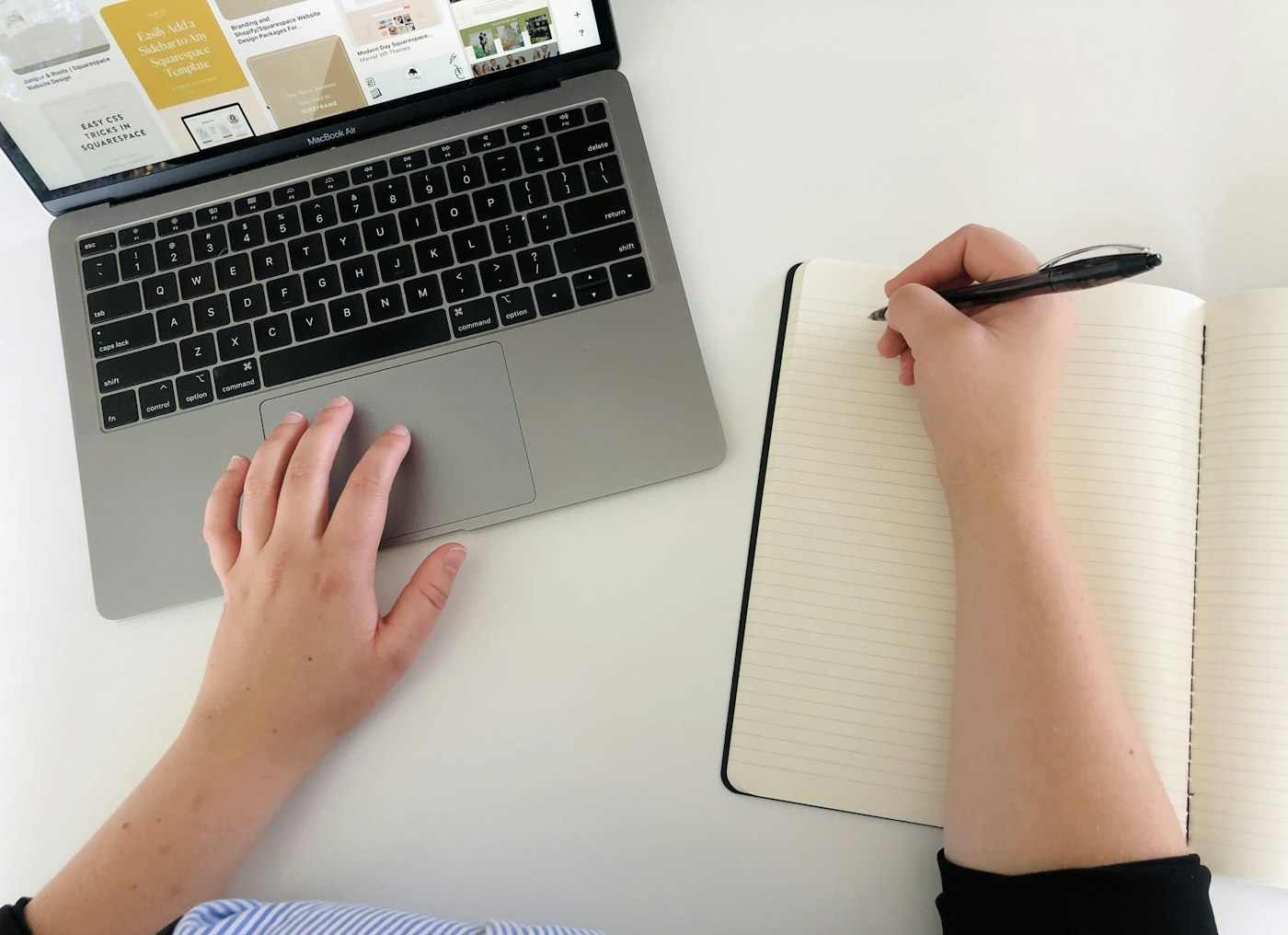
Bright screens and stimulating conversations can stretch an evening long after you hoped to wind down. A digital sunset is a chosen period of lower stimulation.
Looking Beneath the Surface
Light exposure and mental activation can influence sleep, but the effect depends on timing, content and individual differences. A routine is often more useful than obsessing over a single screen setting.
The most exciting experiments are often small and reversible. Try a different setting, observe what changes, and keep what genuinely improves your days instead of adopting a rigid rule.
Try the same task with and without a device, where practical, and compare what each version makes easier or harder. A useful tool should earn its place through actual benefits, not because it feels new.
A Small Experiment
Choose a practical cutoff for work messages or social media, perhaps thirty minutes before bed. Replace the time with reading, music or a conversation. Try it for several evenings and see how you feel.
If the exercise feels ordinary, that is useful information too. Repeat it in another setting only if you genuinely want to, and notice which details depend on the place and people around you.
What to Keep in Mind
People who need screens for safety, caregiving or disability support should adapt the idea. Ongoing sleep difficulties need more than a technology rule.