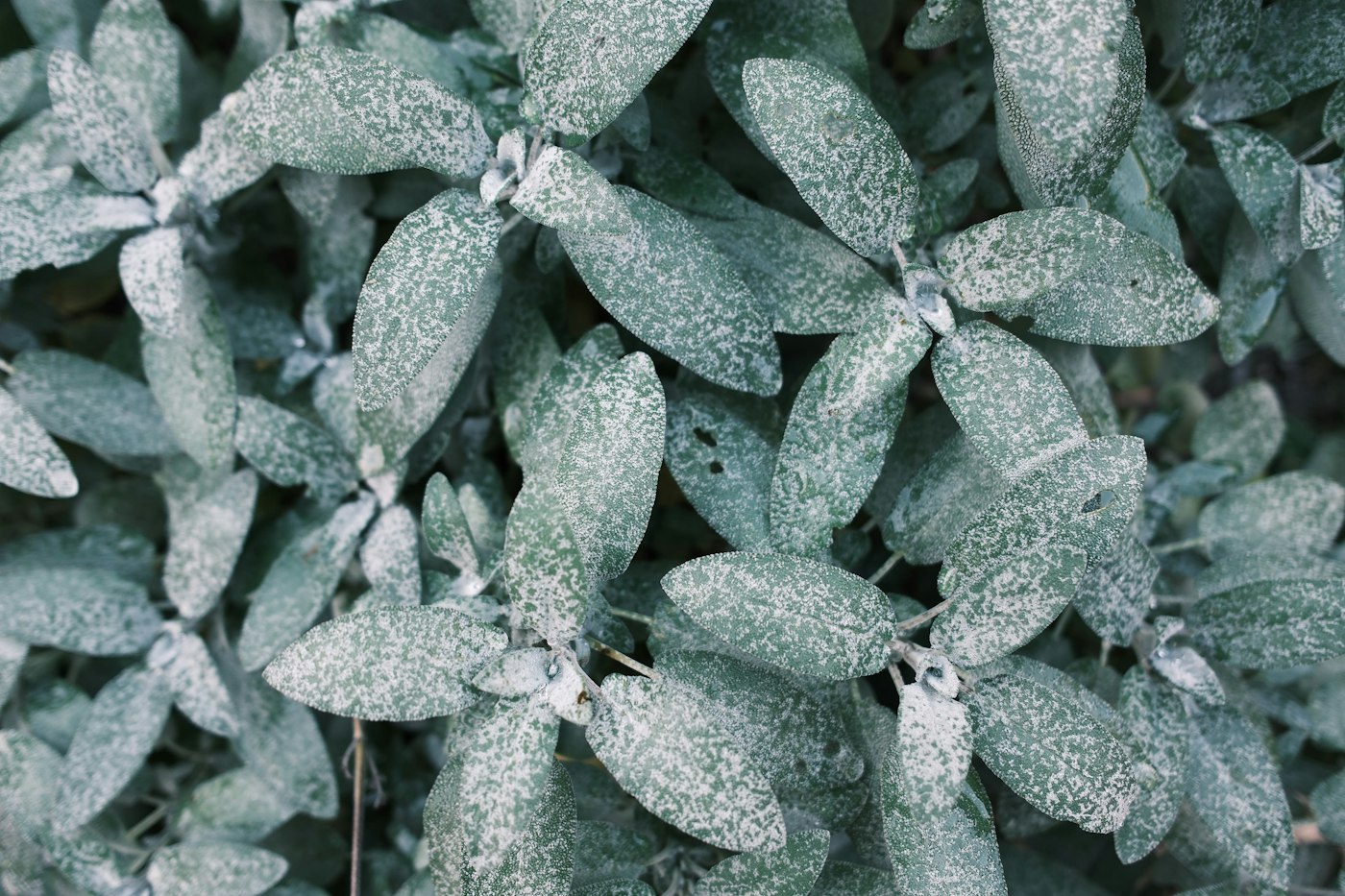
Essential oils are concentrated extracts, not tiny versions of a garden plant. Confusing those forms is responsible for a lot of risky advice.
What the Remedy Can and Cannot Tell Us
Potent components can irritate skin, trigger allergies and cause poisoning if swallowed. Different oils have distinct chemistry and no single safety rule covers them all.
Labels are part of practical herbalism. Botanical names, ingredient amounts, warnings, quality practices and possible medicine interactions tell you more than claims about detoxing or boosting everything.
A Grounded At-Home Approach
- Inspect three products in your home: a culinary herb, a flavored food and an essential oil.
- Read labels and compare warnings, storage directions and ingredients.
- Keep a list of oils that need secure storage.
For fragrance, consider whether an open window, unscented product or fresh flower is more comfortable. If using a commercial topical product, follow its directions and patch-test as recommended.
If you use a product as food or comfort, make that distinction explicit in your notes. Track what you actually did rather than crediting the herb with unrelated improvements.
What to Keep in Mind
Do not ingest essential oils, apply them undiluted or use them in homemade treatments for children or pets without qualified guidance. Call poison control if an oil is swallowed.
Herbal products can cause adverse reactions and interact with medicines. Do not abandon prescribed care or use herbs to treat emergencies. Some groups—including infants, pregnant people, and people with chronic illness—need special care. Contact Poison Help at 1-800-222-1222 after suspected exposures in the United States.