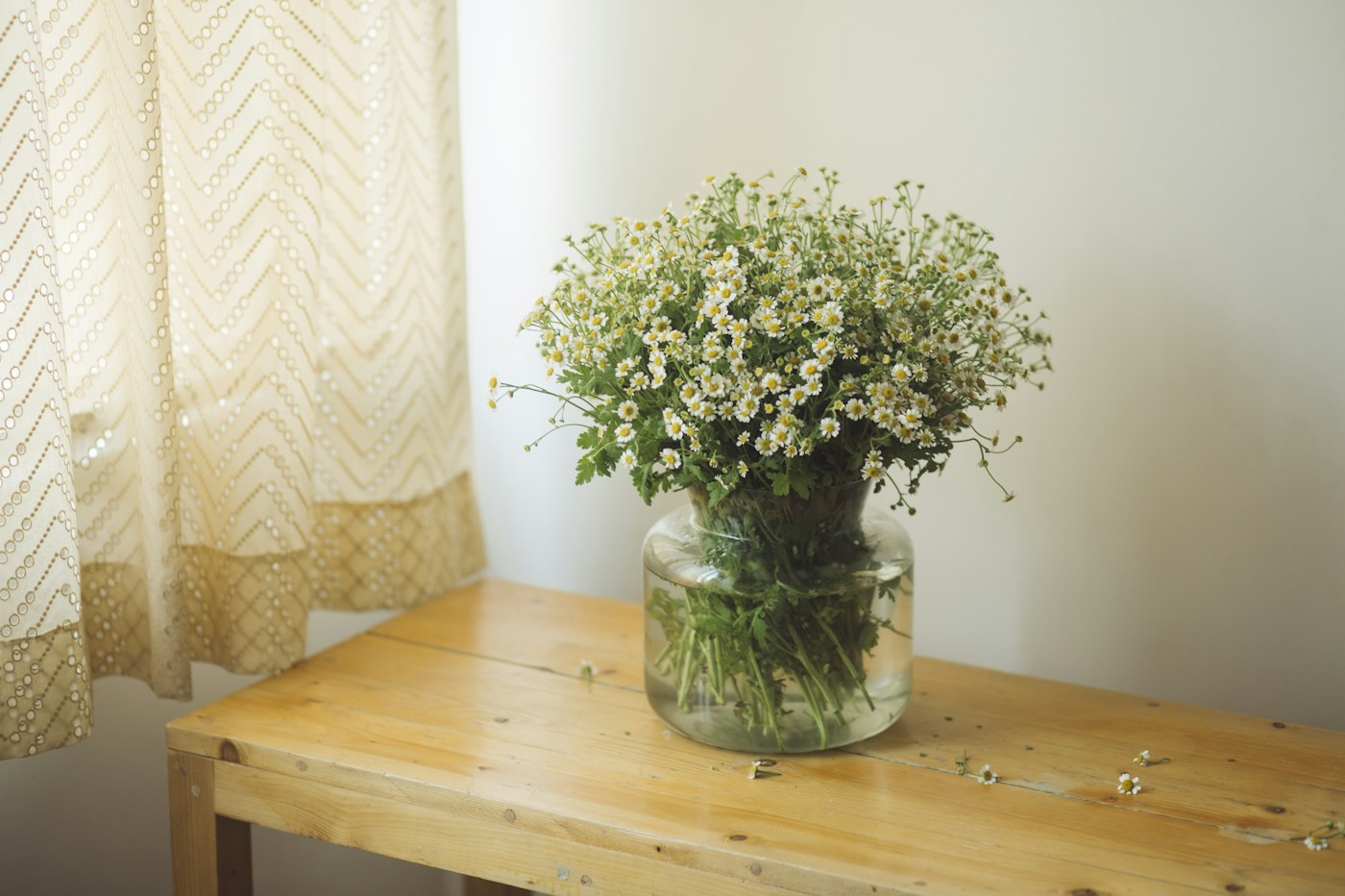
A mug of herbal tea can look gentle and natural. The ingredients may still matter when you are pregnant, taking prescriptions or managing a health condition.
What the Remedy Can and Cannot Tell Us
Herbal products differ by species, part of plant, concentration and quality. Some preparations have clinical research behind specific uses; others rely mostly on tradition or marketing.
The word remedy is used for everything from a comforting drink to a concentrated supplement. These are not equivalent. The same herb can be present in very different forms, with different strengths and safety questions.
A Grounded At-Home Approach
- Before buying a tea, read every ingredient and look up unfamiliar names in a reputable evidence guide.
- Choose food-grade products from identified suppliers, follow the label, and enjoy a familiar beverage as a ritual rather than self-treatment.
Keep a simple herbal notebook with the exact product, ingredients and any questions you want to ask a pharmacist. Avoid mixing several unfamiliar products at once.
Compare two products with similar marketing. Write down their exact ingredient lists and warning labels, then ask whether they can reasonably be expected to behave the same way.
What to Keep in Mind
Allergic reactions and drug interactions are possible. Herbal tea should not replace prescribed treatment, and children, pregnant people and people with serious conditions need added caution.
Herbal products can cause adverse reactions and interact with medicines. Do not abandon prescribed care or use herbs to treat emergencies. Some groups—including infants, pregnant people, and people with chronic illness—need special care. Contact Poison Help at 1-800-222-1222 after suspected exposures in the United States.