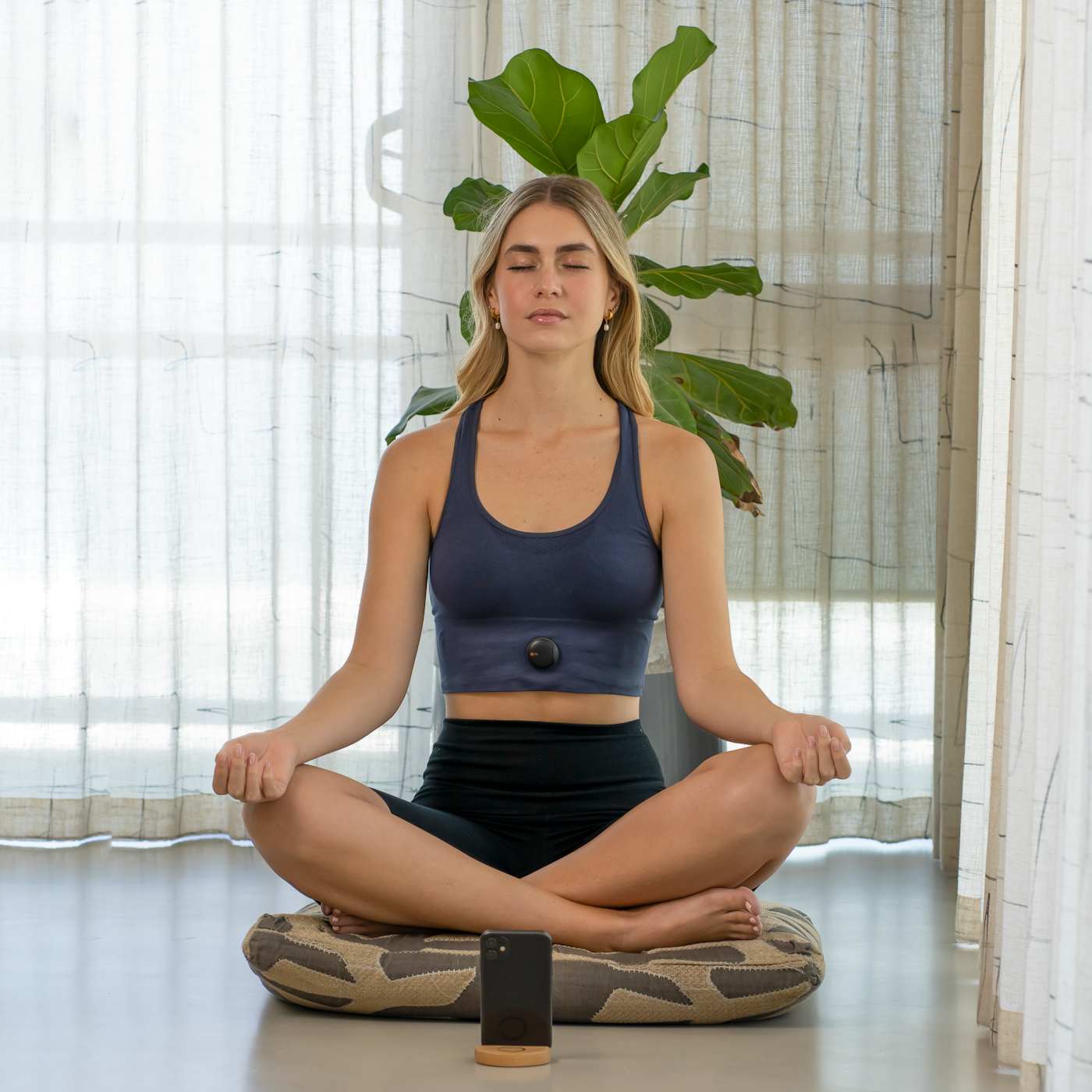
A slow, comfortable exhale can become a simple signal to pause during a busy day. It asks for very little equipment or ceremony.
Looking Beneath the Surface
Breathing patterns interact with the autonomic nervous system, but individual reactions vary. The useful part is often the gentle pace and the moment of deliberate attention, not achieving a perfect count.
The body is often treated as a machine to improve, but awareness offers a kinder starting point. A small movement or comfortable breath can provide information about what feels supportive today.
Try putting comfort ahead of technique. A posture, pace or movement that looks graceful on someone else may feel wrong in your body. You have permission to simplify it, use a chair or choose a different anchor entirely.
A Small Experiment
Sit comfortably and breathe normally for a moment. Then, without strain, let one exhale take slightly longer than the inhale. Repeat a few times and return to natural breathing. Notice whether your shoulders or jaw change.
It can help to write down one detail while it is fresh. You are collecting observations, not constructing a dramatic personal transformation story for other people to admire.
What to Keep in Mind
Never hold your breath until dizzy or force extreme breathing. People with breathing or heart conditions should keep exercises comfortable and follow medical guidance.