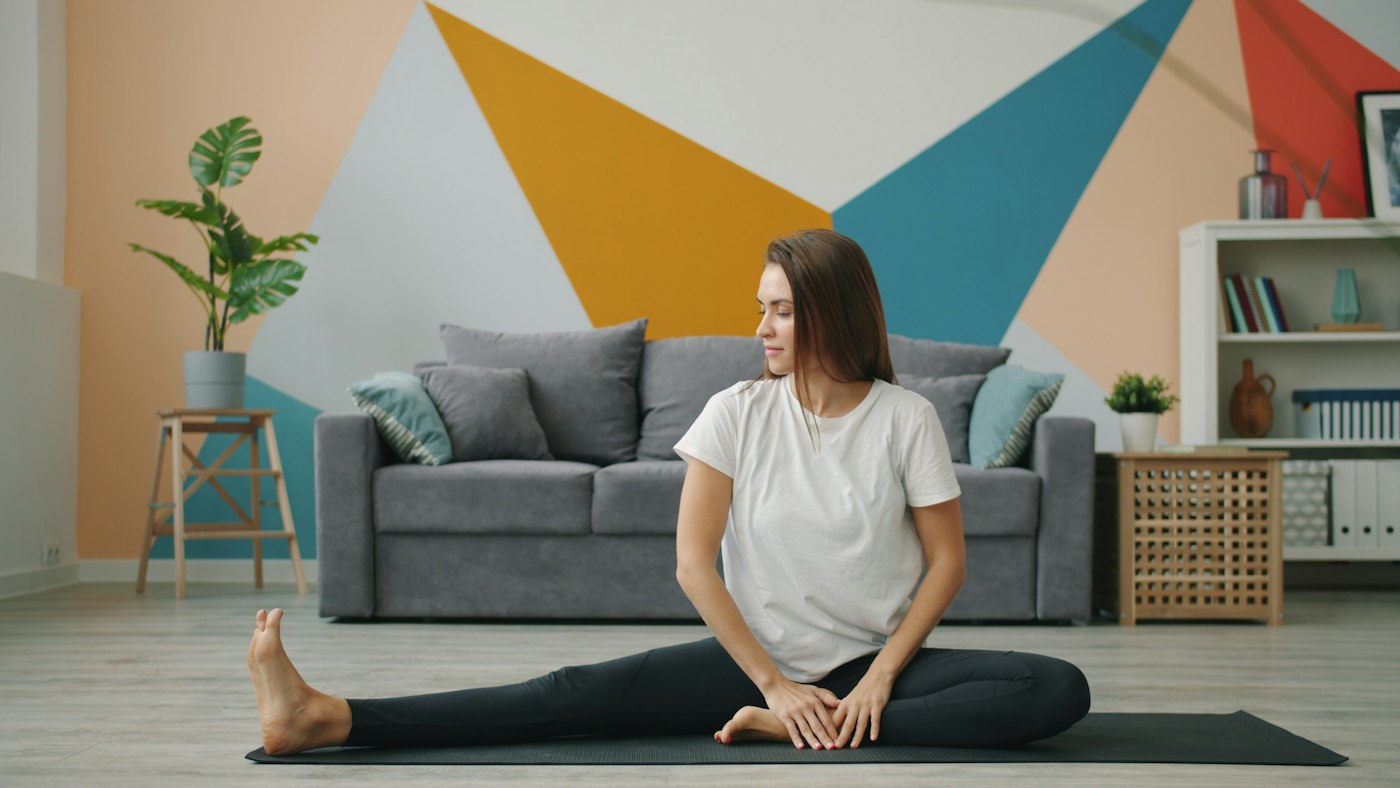
Many beginners assume meditation should hurt a little. It should not. A supportive position makes it easier to observe attention rather than endure discomfort.
A Practice, Not a Performance
Chairs, benches, cushions and supported standing are all options. The posture matters less than a stable position that you can comfortably maintain.
The habit of returning is more important than a perfect session. Noticing distraction is already a form of awareness. It is reasonable to try different anchors such as a visible object, sounds, body contact, or natural breathing without treating any one route as sacred or superior.
Try a Short Practice
- Try three setups for two minutes each: a straight-backed chair, a cushion with support, and standing near a wall.
- Notice your knees, back, jaw and breath.
- Choose the easiest rather than the most impressive.
Make a small set of adjustable choices for group workshops: chairs, space to stand, permission to move and access to a quieter area. Ask participants what support they need.
Try describing the method to a beginner in one sentence. If the explanation needs a lot of mystical jargon, simplify it until another person can genuinely choose whether to try.
What to Keep in Mind
Do not push through numbness, pain or faintness. People with mobility conditions can adapt the exercise or consult a clinician about suitable posture.
Mindfulness and meditation are usually low risk but are not entirely risk-free. People can experience anxiety or other distress; change techniques or get support rather than pushing through. These practices are not substitutes for needed medical or mental health care.