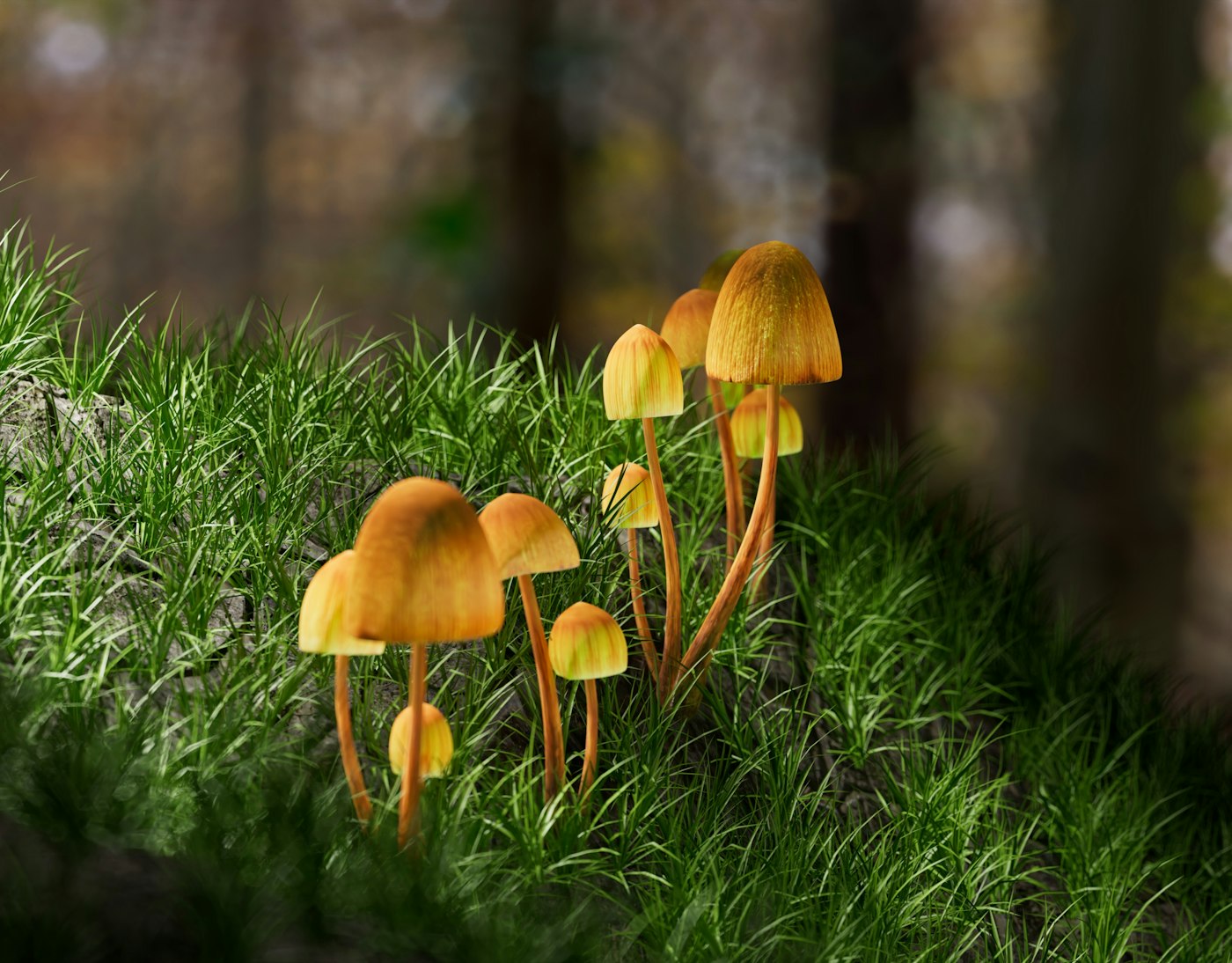
For countless people, mushrooms symbolize the unseen life beneath the forest. For generations of Indigenous communities in parts of Mexico, certain mushrooms have also belonged to practices of healing, prayer and spiritual understanding. Today, a very different community—clinical researchers—is finding reasons to take psilocybin seriously. The fascinating part is how these histories meet without being the same thing.
Long Before the Laboratories
Mazatec practitioners in Oaxaca have preserved mushroom traditions that connect healing with language, song, relationships and skilled ritual specialists. Researchers examining these traditions have emphasized that the mushroom is not simply a chemical taken out of its setting. A 2022 anthropological study of traditional Mazatec medicine invites modern medicine to learn from this complexity rather than treating Indigenous knowledge as a colorful footnote. A recent ethnomycology study also documented ongoing ceremonial traditions among Zapotec communities. These are living practices, not stories from a vanished past.
The late Mazatec healer María Sabina became internationally known, but the attention that followed also brought unwanted consequences to her community. Celebrating mushrooms thoughtfully means honoring the people who protected their knowledge, not only the substance that later fascinated scientists.
The Depression Findings Deserve Excitement
In a 2023 randomized clinical trial involving 104 adults with major depression, psilocybin given with psychological support was associated with a larger improvement in depressive symptoms than an active placebo across six weeks. Other studies, including a trial involving treatment-resistant depression, have also found encouraging signals. A 2026 trial in a public healthcare setting added promising results and recommended confirmatory research.
These studies do not establish a universal cure. They do show that the potential is substantial enough for rigorous medical investigation—and that is genuinely exciting for people who have not benefited from existing options.
The Research Goes Beyond Depression
A 2026 randomized pilot study compared a psilocybin-assisted approach with nicotine patches, with behavioral therapy offered in both groups. At six months, prolonged abstinence was observed in 40.5% of the psilocybin group versus 10% of the patch group. This small, unblinded trial needs replication, but it suggests researchers may be looking at more than temporary changes in mood. Earlier laboratory research also documented experiences participants described as unusually meaningful months later.
A Note on Safety
Clinical research involves screened participants, standardized compounds and support. Wild mushrooms are easily misidentified, and some toxic look-alikes can be deadly. The studies above are not instructions for gathering, consuming or self-treating with mushrooms.
Sources and further reading
- González-Mariscal et al., 2022: traditional Mazatec medicine
- 2025 ethnomycology study documenting Zapotec mushroom traditions
- Raison et al., JAMA 2023: randomized psilocybin and depression study
- Nature Medicine, 2026: trial of psilocybin-assisted therapy in a public health setting
- Johnson et al., JAMA Network Open 2026: psilocybin-assisted smoking cessation pilot trial
- Griffiths et al., 2006: enduring personal meaning after psilocybin