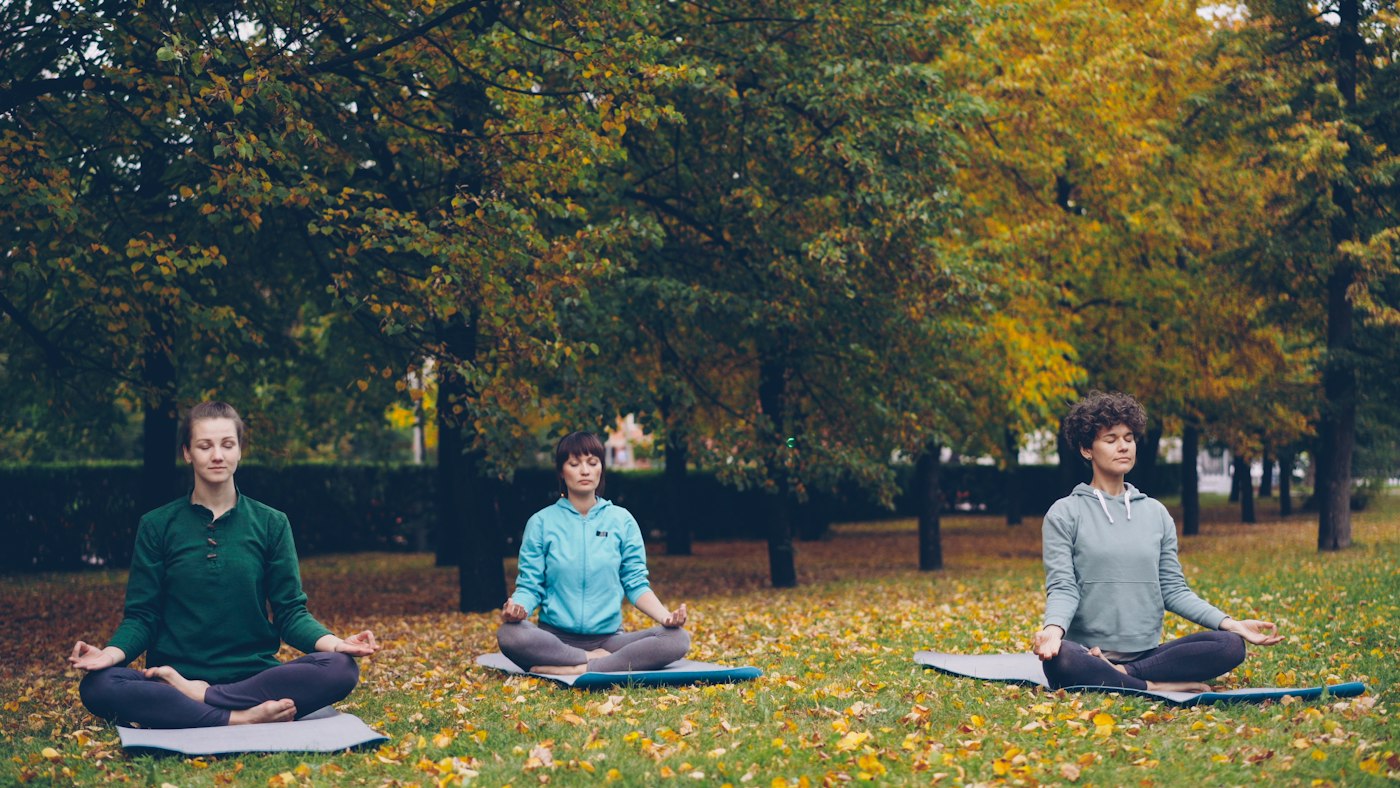
Jaw clenching and lifted shoulders can follow you through an entire day without asking permission. A small exhale is a convenient reminder to check in.
The Body Before the Technique
Breathing and muscle tension interact with attention, but an exercise should not imply that all pain or stress is under voluntary control.
Most of the benefit of a short practice is in its simplicity: it can be remembered in an ordinary moment. It should not claim to cure medical symptoms or promise precise control over hormones or brainwaves.
Try a Gentle Exercise
- Sit or stand with support.
- Notice your shoulders, breathe out gently, and let them drop only as far as is comfortable.
- Repeat twice, then look away from your screen for a moment.
Place a small reminder near your work area: jaw, shoulders, hands. Use it before picking up a heavy tool or starting delicate craft work, but always follow proper ergonomic practices.
Start with a natural baseline. Ask whether the exercise is easier than your ordinary breathing or whether you are straining to satisfy the instructions; comfort is useful feedback.
What to Keep in Mind
Do not force movement through pain. Persistent muscular or breathing symptoms should be evaluated by qualified professionals.
Stop if you feel dizzy, faint, tingling, chest discomfort or unusual breathlessness. Avoid forced hyperventilation and breath-hold challenges, especially around water, heights or driving. Seek prompt medical help for severe or unexplained symptoms.